

Chevrolet Tracker Ignition Coil Guide for 1989-1998 Models
Solve your Tracker's stalling, misfiring, or no-start issues by understanding its ignition coil.
- You must visually confirm if you have an external coil or one inside the distributor before ordering.
- A failing coil can cause stalling or damage the catalytic converter; replace it promptly.
- For reliability, choose a reputable aftermarket brand like Standard Ignition (SMP) over the cheapest options.
- Replacing an external coil is a simple DIY job that can be done in under 30 minutes with basic tools.
Is Your Ignition Coil Failing?
A bad ignition coil in a 1989-1998 Tracker will cause noticeable engine problems. Because it is responsible for creating the spark for all cylinders, a complete failure will prevent the engine from starting at all. More commonly, the coil will fail intermittently or produce a weak spark, especially when hot.
Common Symptoms:
- No-Start Condition: The engine cranks over but will not fire up. You may have power to your lights and radio, but there is no spark to start combustion.
- Engine Misfires: The engine may sputter, hesitate, or jerk during acceleration. This happens when the coil fails to provide enough voltage for a consistent spark.
- Rough Idle: Your Tracker may shake or vibrate more than usual when stopped at a light.
- Stalling: The engine may stall unexpectedly, particularly after it has warmed up, and may be difficult to restart until it cools down.
- Poor Fuel Economy: An inefficient spark leads to incomplete fuel combustion, causing you to use more gas.
- Check Engine Light: On 1996 and newer models with OBD-II, a failing coil can trigger misfire codes (like P0300, P0301) or an ignition circuit code (P0351). Older models may show an ignition signal fault code.
Important: Check Your Coil Type Before Ordering
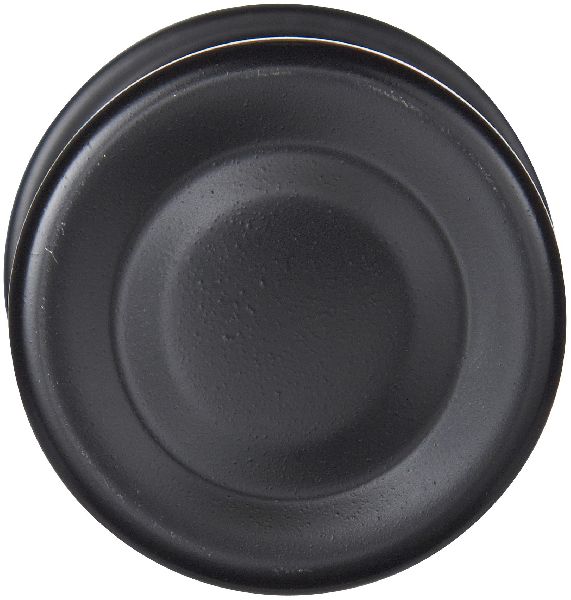
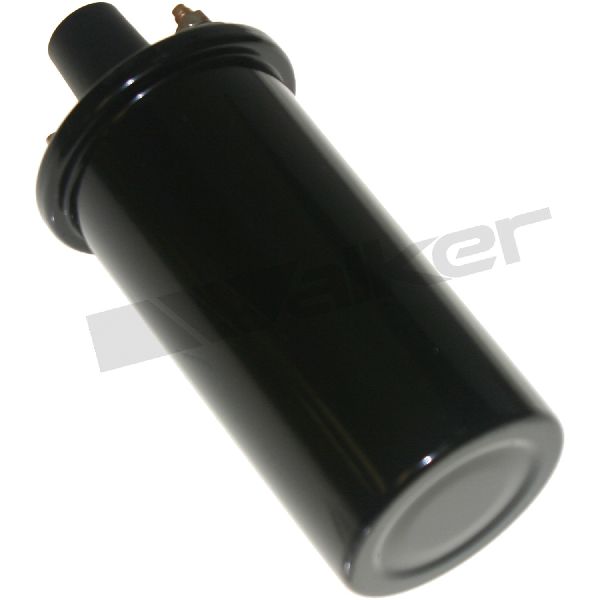
During this generation, two types of ignition coils were used. Most 1989-1995 Trackers use an external canister-style coil that is mounted separately in the engine bay. However, some later models (typically 1996-1998 with the 1.6L 16-valve engine) have the ignition coil built into the distributor. If your coil is inside the distributor, you must replace the entire distributor assembly. Visually inspect your engine to confirm which type you have before buying a part.
Choosing the Right Aftermarket Ignition Coil
Since original GM parts for this Tracker are generally discontinued, the aftermarket is your primary source. Quality can vary, so it's important to choose a brand with a good reputation. For a critical part like this, saving a few dollars on a low-quality coil can lead to more problems down the road.
Aftermarket Brand Tiers
- Tier 1: Reputable Aftermarket (Recommended)
Brands like Standard Ignition (SMP) have a long history of making quality ignition components. While they source parts globally now, they are generally considered a reliable choice for durability and performance, often with OEM-level testing. - Tier 2: Value Brands with Mixed Reputations
This tier includes brands like Accel, known for performance parts, and Spectra. Spectra often comes with a lifetime warranty, but some owners have reported premature failures, requiring them to use that warranty. These can be a good value but may carry a higher risk of early failure compared to Tier 1 brands. - Tier 3: Budget Brands
Brands such as DriveWire and Global Parts fall into the budget category. While they are the most affordable, there is less information available about their long-term reliability for this specific vehicle. They may be suitable for a temporary fix or if budget is the absolute top priority.
Pro Tip: While replacing the ignition coil, it's a good idea to also inspect or replace the distributor cap, rotor, and spark plug wires. These parts wear out over time and a new coil will only be effective if the rest of the ignition system is in good shape.
Ignition Coil Replacement Cost for 1989-1998 Chevrolet Tracker
The costs below are estimates for the more common external canister-style coil. Replacing an internal coil requires replacing the entire distributor, which is more expensive.
| Part Type | Estimated Cost |
|---|---|
| New Aftermarket Part | $27.98 - $74.29 |
| Shop Labor | $50 - $100 |
| Total Professional Replacement | $78 - $175 |
| Used OEM Part | $10 - $40 |
| New OEM Part | Not Available (Discontinued) |
Frequently Asked Questions
Can I replace the ignition coil myself?
Yes, if you have the external canister-style coil. It is a very simple job. The coil is usually mounted to the fender wall or firewall with two bolts. The process involves disconnecting the negative battery terminal, unplugging the low-voltage electrical connector, unscrewing the high-tension wire that goes to the distributor, and removing the two mounting bolts. The entire job can typically be done in under 30 minutes with basic hand tools.
How do I test my old ignition coil?
You can perform a basic test with a multimeter set to measure resistance (ohms). You will measure the resistance of the primary and secondary windings. The primary winding is tested between the positive (+) and negative (-) terminals, and should have very low resistance (e.g., 0.4 to 2 ohms). The secondary winding is tested between the positive (+) terminal and the center high-voltage output tower, and will have much higher resistance (e.g., 6,000 to 15,000 ohms). You must find the exact specifications for your vehicle, as a reading outside the correct range indicates a bad coil. Note that a coil can sometimes test good when cold but still fail when it heats up.
What's the difference between an external coil and an internal (in-distributor) coil?
An external coil is a separate, self-contained part mounted in the engine bay. An internal coil is integrated into the distributor housing. If you have an internal coil, you cannot replace just the coil; you must buy and install a complete new distributor assembly, which is a more complex and expensive job. Always check which one your Tracker has.
Is it safe to drive with a bad ignition coil?
It is not recommended. A failing coil can cause the engine to stall at any time, which is a safety risk. Furthermore, if the engine is misfiring, raw fuel can be sent into the exhaust system, which can overheat and destroy your catalytic converter, leading to a much more expensive repair.
Technical Specifications
OEM Part Numbers: 30009850 30013123 33410-60EC0 33410-56G10 33410-62E10
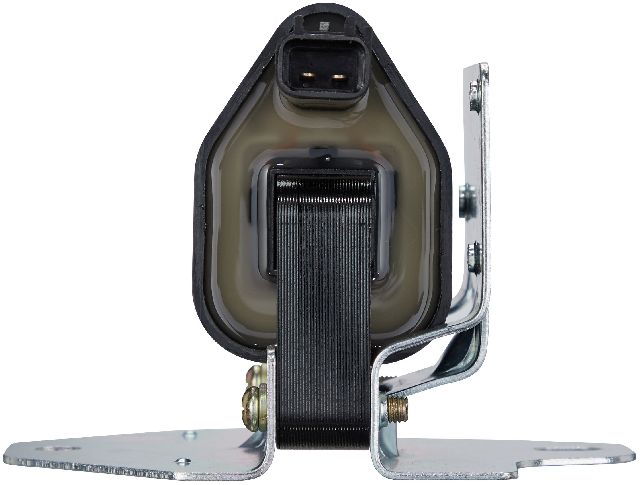
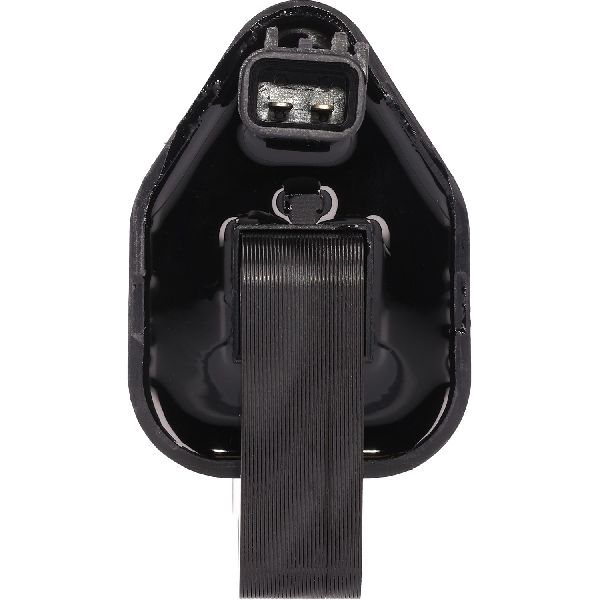
This vehicle uses a single, canister-style, distributor-fed ignition coil. Some later models may have an internal coil within the distributor assembly.
We Have This Part in Stock


The information in this article is provided for general reference and educational purposes only. Vehicle specifications, procedures, and part compatibility can vary by production date, trim level, and region. Always consult your vehicle's factory service manual and verify part numbers before purchasing or performing repairs. Safety-critical components such as airbags, seat belts, and braking systems should be installed by a qualified professional.
- Chevrolet Tracker: