

Hyundai Sonata Engine Coolant Temperature Sensor Guide (1989-1998)
Having trouble with poor fuel economy or a rough idle on your Sonata? Your coolant sensor could be the problem.
- A bad ECT sensor commonly causes poor fuel economy, rough idle, and a check engine light with codes like P0117 or P0118.
- For this generation of Sonata, a quality aftermarket sensor is a reliable and cost-effective alternative to an OEM part.
- Replacement is a straightforward DIY job that takes less than an hour, but requires partially draining the coolant.
- Ensure you are replacing the correct sensor (for the ECU) and not the sender (for the dash gauge) if your vehicle has both.
Is a Failing Coolant Sensor Causing Your Sonata's Problems?
A bad Engine Coolant Temperature (ECT) sensor can cause a surprising number of issues with your 1989-1998 Sonata. Because this sensor provides critical data to the engine computer, a false signal can lead to poor performance and other noticeable symptoms. If the sensor fails and tells the computer the engine is always cold, you'll experience poor fuel economy and may see black smoke from the exhaust. If it sends a signal that the engine is always hot, you could have hard starting, a rough idle, and potential overheating if the cooling fans don't turn on when they should.
Don't Ignore the Check Engine Light
A faulty ECT sensor will almost always trigger the Check Engine Light on your dashboard. Common trouble codes associated with this failure include P0115, P0116, P0117 (low voltage signal), and P0118 (high voltage signal). A code scanner can confirm if the ECT circuit is the source of the problem.
Choosing the Right Aftermarket Sensor
For an older vehicle like the 1989-1998 Sonata, aftermarket ECT sensors offer excellent value. The technology is well-established, and quality aftermarket brands can perform just as well as the original OEM part for this specific component. There is little reason to pay a premium for a dealer part when reliable alternatives are available.
The brands available in our inventory can be grouped by reputation and user feedback:
- Standard Replacement (Good): Brands like Standard Ignition and Four Seasons are well-known in the aftermarket industry. They produce reliable sensors that meet or exceed original specifications and are a solid choice for most repairs.
- Value-Oriented (Better): Facet is an established brand that often provides good quality at a competitive price point. It's a dependable option for a budget-conscious repair.
- Economy (Basic): Brands like Global Parts and Motorad offer the most affordable entry point. While functional, they are best suited for basic repairs where cost is the primary concern.
- Vemo is another available brand, often seen as a supplier for European applications, but provides parts for a wide range of vehicles.
OEM vs. Aftermarket for Your Sonata
While some critical engine sensors are best sourced from the original dealer, the simple two-wire thermistor design of the ECT sensor for this Sonata generation makes quality aftermarket parts a safe and cost-effective bet. The key is to buy from a reputable supplier. The OEM part number for many of these Sonatas is 39220-35510.
Cost of Replacing the Sensor
Replacing the ECT sensor is one of the more affordable repairs you can make. The part itself is inexpensive, and if you're doing it yourself, the only other cost is a small amount of coolant.
| Part or Service | Estimated Cost |
|---|---|
| New Aftermarket ECT Sensor | $12.90 - $32.57 |
| New OEM ECT Sensor | $17 - $45+ |
| Shop Labor | $91 - $134 |
| Total Professional Replacement | $112 - $179+ |
Frequently Asked Questions
Where is the ECT sensor located on the 1989-1998 Sonata?
The ECT sensor is typically screwed into the engine's cylinder head or the thermostat housing, where it can be in direct contact with the engine coolant. You will need to locate the thermostat housing, which is where the large upper radiator hose connects to the engine.
Do I need to drain the coolant to replace the sensor?
Yes, you should at least partially drain the cooling system. If you don't, coolant will spill out of the sensor port when you remove the old one. Draining the coolant below the level of the sensor will prevent a mess and loss of coolant.
Can a bad ECT sensor make my car overheat?
Yes, it can. If the sensor fails to send a 'hot' signal to the computer, the cooling fans may not turn on when needed, causing the engine to overheat in traffic or at low speeds.
Is there a difference between the sensor and the sender?
On some older vehicles, there are two separate units: an ECT sensor for the computer and an ECT sender for the temperature gauge on your dashboard. For the 1989-1998 Sonata, it's important to verify you are replacing the correct unit for the problem you're having. A faulty gauge is caused by the sender, while engine performance issues are caused by the sensor.
Technical Specifications
OEM Part Numbers: 39220-35510 39220-35520 39220-3C100
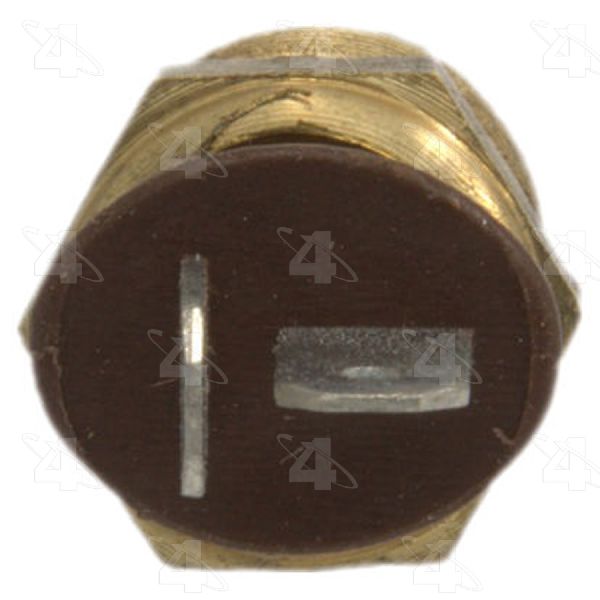
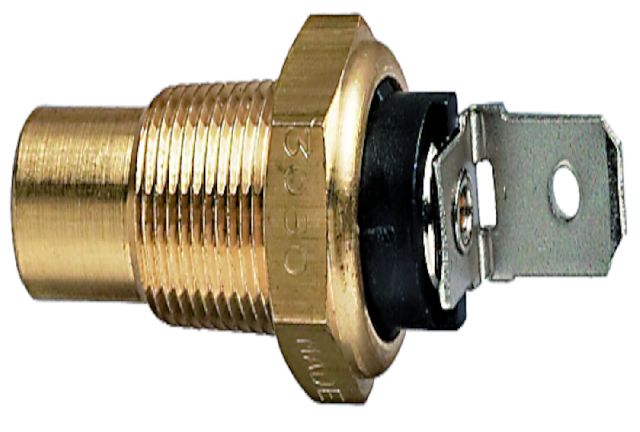
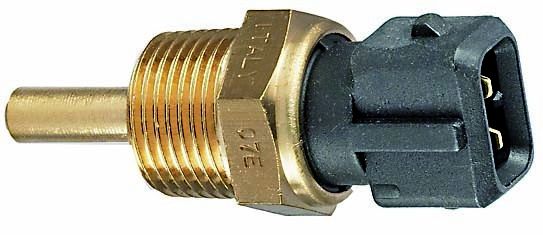
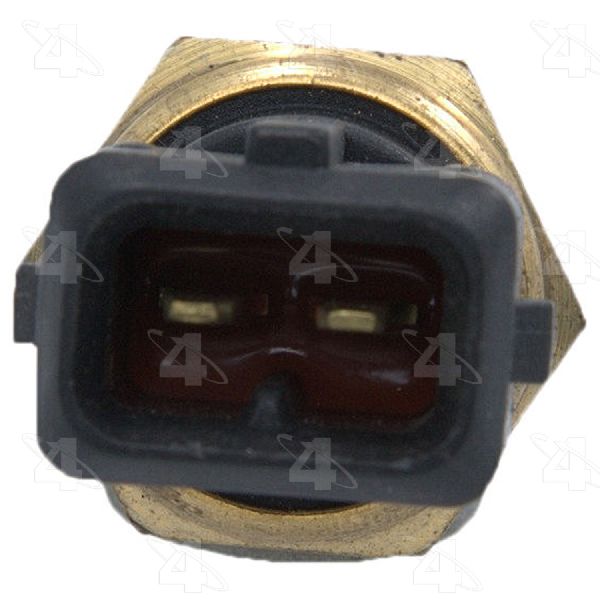
Typically a 2-pin, brass-bodied sensor with a threaded design for installation into a coolant passage.
We Have This Part in Stock



The information in this article is provided for general reference and educational purposes only. Vehicle specifications, procedures, and part compatibility can vary by production date, trim level, and region. Always consult your vehicle's factory service manual and verify part numbers before purchasing or performing repairs. Safety-critical components such as airbags, seat belts, and braking systems should be installed by a qualified professional.
- Hyundai Sonata: