

Nissan 240SX Engine Coolant Temperature Sensor Guide (1989-1998)
Fixing rich running conditions, hot-start problems, and poor fuel economy in your KA24E or KA24DE-powered 240SX often starts with this critical sensor.
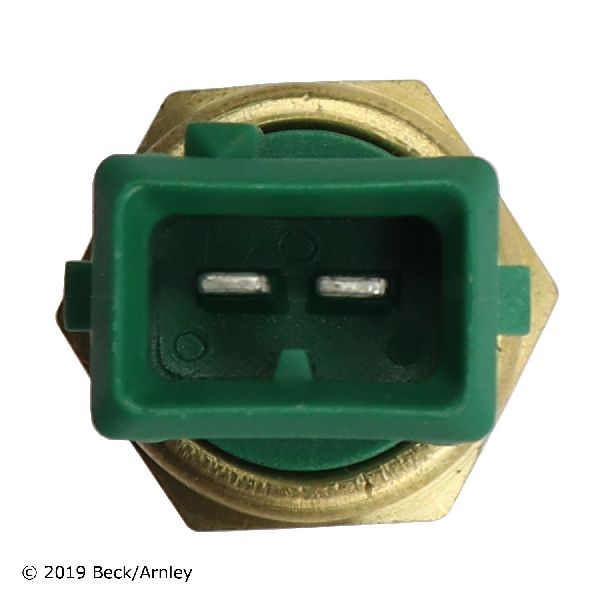
- This guide is for the two-wire ECU sensor, not the single-wire gauge sender.
- A bad sensor is a top cause of hot-start problems and rich-running conditions on the 240SX.
- Experienced owners strongly recommend using a genuine Nissan (OEM) sensor for reliability.
- Replacement is very easy and accessible on both KA24E and KA24DE engines.
The Most Important Sensor You Might Overlook
If your 240SX is suddenly getting terrible gas mileage, blowing black smoke, or refusing to start when it's warm, the Engine Coolant Temperature Sensor (ECTS) is a primary suspect. This sensor tells the car's computer how hot the engine is. When it fails, it usually gets stuck sending a "cold" signal. The computer then dumps extra fuel into the engine, thinking it's still in warm-up mode. This leads to a rich-running condition that can foul spark plugs and waste fuel.
ECU Sensor vs. Gauge Sender: A Common Mistake
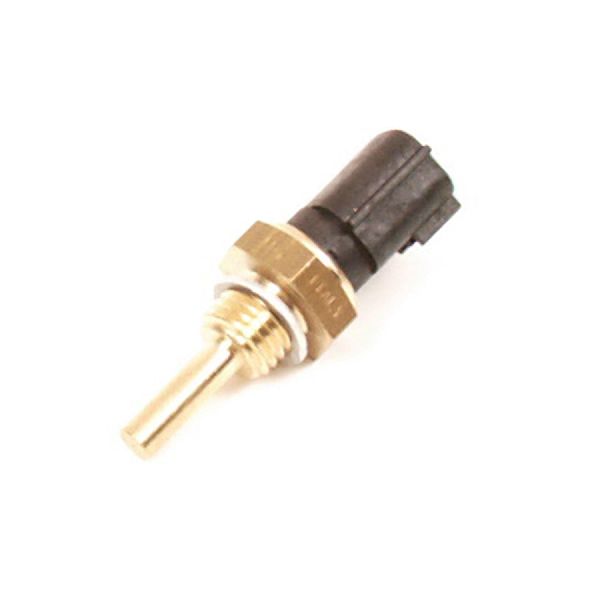
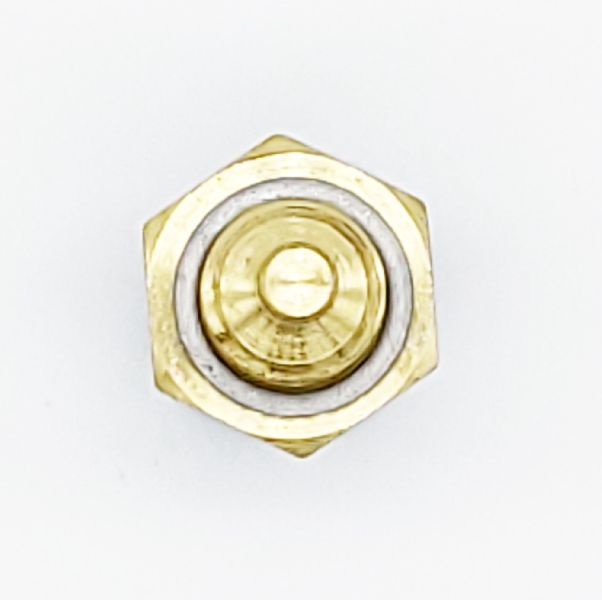
Your 240SX has two coolant temperature sensors located near each other on the intake manifold. This article is about the two-wire sensor that sends information to the engine computer (ECU). The other sensor is a single-wire sender that only operates the temperature gauge on your dashboard. Replacing the wrong one will not fix engine performance issues.
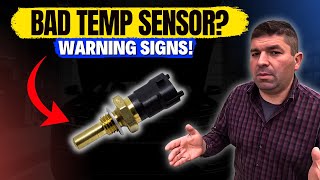
🎬 Watch: See the visual difference between the sensor and the sender.Choosing the Right Aftermarket Sensor for Your 240SX
When it comes to critical electronic sensors for Nissan engines, the community of long-time owners has a strong preference. While many budget-friendly aftermarket brands are available, experience has shown that some can be unreliable or fail prematurely.
OEM vs. Aftermarket Quality
For a part as critical as the ECTS, using a genuine OEM (Original Equipment Manufacturer) Nissan sensor is highly recommended by experienced 240SX mechanics and owners. Forum discussions frequently mention that these cars can be "finicky" with aftermarket electronics, leading to persistent issues that are only solved by installing an OEM part. While the initial cost is higher than some aftermarket options, it can save you the headache of future diagnostics and another replacement.
- Top Tier (Recommended): Genuine Nissan (OEM). Provides the highest reliability and proper resistance values for the ECU.
- Mid-Tier: Brands like NGK, Delphi, and Standard Motor Products (SMP) are established manufacturers that often produce quality parts. However, for this specific sensor on this specific car, community feedback still favors OEM.
- Value Tier: While very inexpensive options exist, their reliability is questionable. A failed sensor can leave you stranded or cause prolonged running issues, making the upfront savings a potential risk. 🎬 Learn more about common symptoms and typical replacement costs.
| Part Type | Estimated Cost |
|---|---|
| New OEM (Nissan) | $30 - $45 |
| New Aftermarket | $5 - $48 |
| Shop Labor | $50 - $100 |
Pro Tip: Easy DIY Replacement
Replacing the ECTS is a simple job for any DIY mechanic. It's located on the front of the intake manifold, near the thermostat housing. The job requires minimal tools (a deep 19mm socket) and can be done in under 30 minutes. Simply unplug the electrical connector, unscrew the old sensor, and quickly screw the new one in to minimize coolant loss. It's a good idea to clean the electrical connector pins before plugging it back in.
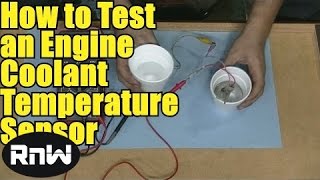
🎬 See this step-by-step walkthrough of the sensor replacement process.Frequently Asked Questions (FAQ)
What are the main symptoms of a bad ECTS on a 240SX?
The most common signs are a Check Engine Light (Code 13 for 1989-95, P0115 for 1996-98), difficulty starting the engine when it's warm, black smoke from the exhaust, very poor fuel economy, and a rough or surging idle.
Are there any recalls for the 240SX coolant temperature sensor?
No, there have been no recalls or technical service bulletins (TSBs) issued by Nissan or the NHTSA for the engine coolant temperature sensor on any 1989-1998 Nissan 240SX.
Why won't my car start when it's hot?
This is a classic symptom of a failed ECTS. The bad sensor is telling the ECU that the engine is cold, causing it to inject too much fuel. This floods the engine, making a hot restart very difficult until it cools down or the excess fuel clears.
Is the sensor for the S13 (KA24E) and S14 (KA24DE) the same?
Yes, the same OEM two-wire ECU sensor is used across all 1989-1998 Nissan 240SX models, for both the single-cam KA24E and dual-cam KA24DE engines. The OEM part number is 22630-51E02.
My temp gauge on the dash is broken, is this the right part to fix it?
No. This two-wire sensor is for the computer. The dashboard gauge is operated by a separate, single-wire sensor called a temperature sender. If your gauge is not working, you need to replace the sender, not the ECU sensor.
Helpful Videos


Technical Specifications
OEM Part Numbers: 22630-51E02 22630-51E00 22630-51E10 22630-V5010
Location: Intake manifold, near thermostat housing. Connector: 2-wire plug. Tool required: 19mm deep socket.
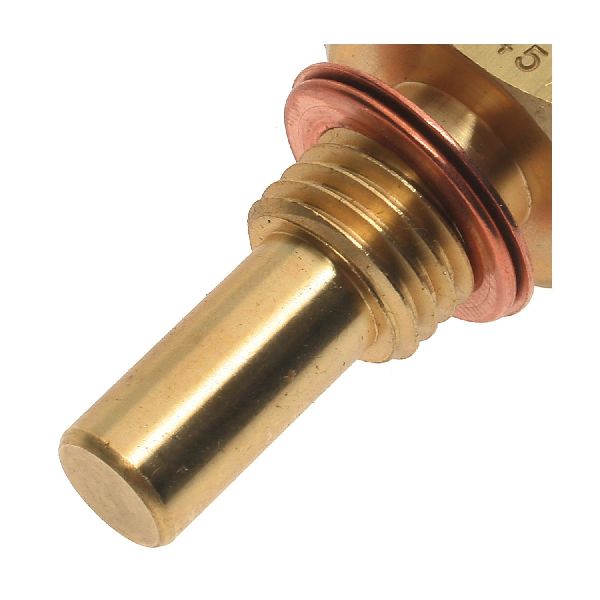
We Have This Part in Stock


The information in this article is provided for general reference and educational purposes only. Vehicle specifications, procedures, and part compatibility can vary by production date, trim level, and region. Always consult your vehicle's factory service manual and verify part numbers before purchasing or performing repairs. Safety-critical components such as airbags, seat belts, and braking systems should be installed by a qualified professional.
- Nissan 240SX: