

Ignition Knock Sensor for the 1989-1998 Nissan Maxima: A Mechanic's Guide
Fix your Maxima's sluggish performance and clear the common P0325 check engine light code.
- A bad knock sensor is the primary cause of code P0325 and a major loss of power in 1989-1998 Maximas.
- Due to the high-labor cost of replacement, choose a top-tier brand like Hitachi (OEM) or NGK; avoid cheap sensors.
- Always replace the brittle sub-harness (Part # 24079-31U01) at the same time as the sensor to prevent repeat repairs.
- The job is very difficult due to the sensor's location under the intake or exhaust manifolds.
Symptoms of a Failing Knock Sensor in a 1989-1998 Maxima
When the knock sensor fails on this generation of Maxima, the symptoms are usually very noticeable. The car's computer (ECM) doesn't get a signal from the sensor, so it assumes the worst and puts the engine into a protective "safe mode" to prevent damage. This is what you'll likely experience:
- Significant Loss of Power: This is the most common complaint. The car will feel very slow and sluggish, especially when accelerating. This is a direct result of the ECM retarding the ignition timing.
- Check Engine Light: A failed knock sensor will almost always trigger a Check Engine Light, storing the diagnostic trouble code P0325 (Knock Sensor 1 Circuit Malfunction).
- Poor Fuel Economy: With the ignition timing not optimized, the engine burns fuel less efficiently, leading to more trips to the gas station.
- Audible Pinging (Less Common): You might hear a metallic pinging or knocking sound during acceleration. However, this is often masked because the ECM's safe mode is usually effective at preventing actual knock.
A Labor-Intensive Job: Choose Your Parts Wisely
Replacing the knock sensor on any 1989-1998 Maxima is a difficult job due to its location. It requires significant labor, whether you do it yourself or pay a shop. Because of the high labor cost, using a cheap, unproven sensor is a major risk. Forum discussions among Maxima owners strongly advise against using low-cost sensors, as failure means repeating the entire expensive repair.
Choosing the Right Aftermarket Knock Sensor
Not all aftermarket sensors are created equal. For a part this difficult to access, quality and reliability are critical. Here is a breakdown of available brands.
Tier 1: OEM Supplier
Hitachi: Hitachi is the original equipment manufacturer (OEM) for many Nissan parts, including this knock sensor. Choosing a Hitachi sensor is the closest you can get to buying the part from a Nissan dealer without the high markup. It is widely considered the most reliable option.
Tier 2: Reputable Aftermarket Brands
NGK/NTK: NGK is a highly respected brand, well-known for spark plugs and other engine sensors. Their NTK sensor line is regarded as a high-quality, reliable alternative to OEM.
Standard Ignition (SMP): Standard Motor Products is a long-standing aftermarket manufacturer. Their sensors are generally considered a solid mid-tier option and are widely available.
Tier 3: Budget Brands
Global Parts, True Tech: These brands fall into the budget or value category. While the initial price is low, their long-term reliability is not as well-documented as the top-tier brands. Given the labor involved in this specific repair, saving a few dollars on the part itself is often not worth the risk of premature failure.
Pro Tip: Always Replace the Sub-Harness!
The knock sensor connects to the main engine wiring via a short sub-harness. Over years of heat cycles, this harness becomes extremely brittle and is a common point of failure. It is strongly recommended by experienced mechanics and owners to replace this harness (OEM Part # 24079-31U01) at the same time as the sensor. Trying to reuse the old one often results in a broken connector, forcing you to do the job all over again.
Cost of Replacing the Nissan Maxima Knock Sensor
| Part Type | Estimated Cost |
|---|---|
| New OEM | $110 - $205 |
| New Aftermarket | $35 - $79 |
| Shop Labor | $350 - $600 |
Frequently Asked Questions (FAQ)
Where is the knock sensor located on my Maxima?
The location differs by generation. For 1989-1994 models (J30), the sensor is on the engine block, under the exhaust manifold. For 1995-1998 models (A32), it is located in the valley between the cylinder banks, underneath the lower intake manifold. Both locations are very difficult to access.
Can I replace the sensor without removing the intake manifold?
On 1995-1998 models, some very experienced mechanics have managed to replace the sensor using a specific combination of long extensions, a universal swivel joint, and a 12mm socket. This method is extremely challenging, requires working completely by feel, and risks rounding off the bolt or dropping it. For most DIYers and many professionals, removing the upper and lower intake manifolds is the required procedure.
What are the OEM part numbers I need?
The most commonly cited OEM part number for the knock sensor itself is 22060-30P00. The highly recommended sub-harness is part number 24079-31U01. Always verify fitment with your specific vehicle's VIN.
Are there any recalls for this part?
No, there are no official recalls or common Technical Service Bulletins (TSBs) from Nissan or the NHTSA specifically for the knock sensor on the 1989-1998 Nissan Maxima.
Technical Specifications
OEM Part Numbers: 22060-30P00 24079-31U01 (Sub-harness)
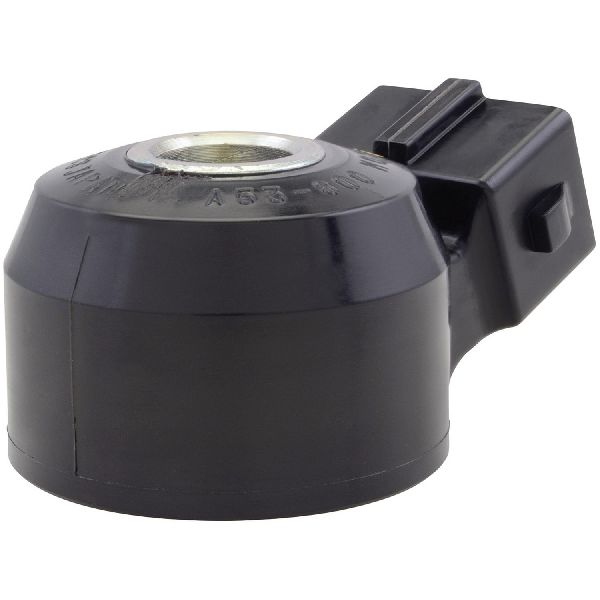
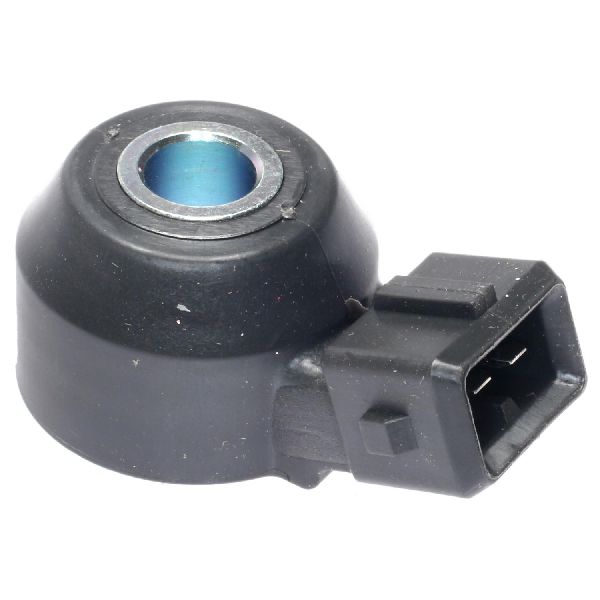
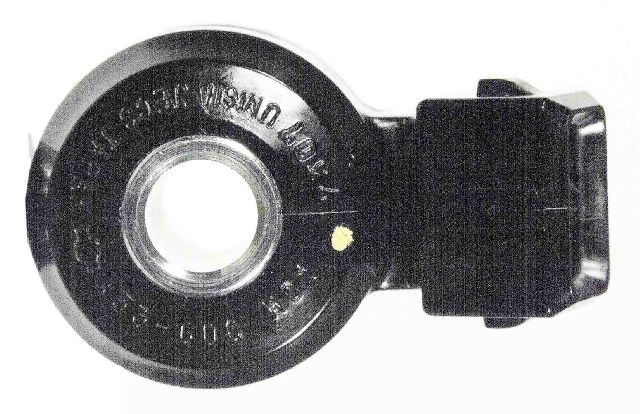
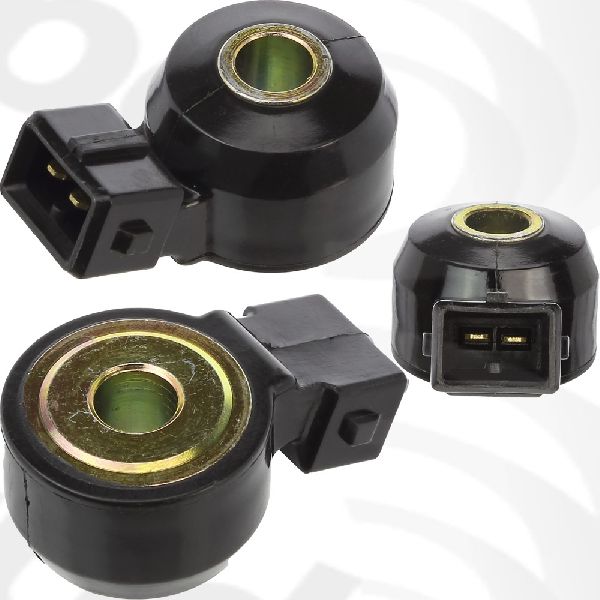
Single bolt mount, 2-pin connector. Piezoelectric crystal design detects engine knock vibrations.
We Have This Part in Stock


The information in this article is provided for general reference and educational purposes only. Vehicle specifications, procedures, and part compatibility can vary by production date, trim level, and region. Always consult your vehicle's factory service manual and verify part numbers before purchasing or performing repairs. Safety-critical components such as airbags, seat belts, and braking systems should be installed by a qualified professional.
- Nissan Maxima:
- 🛍️ Shop This Part
- Symptoms of a Failing Knock Sensor in a 1989-1998 Maxima
- A Labor-Intensive Job: Choose Your Parts Wisely
- Choosing the Right Aftermarket Knock Sensor
- Tier 1: OEM Supplier
- Tier 2: Reputable Aftermarket Brands
- Tier 3: Budget Brands
- Pro Tip: Always Replace the Sub-Harness!
- Cost of Replacing the Nissan Maxima Knock Sensor
- Frequently Asked Questions (FAQ)
- 🎟️ Get 5% Off