

Saab 900 Engine Crankshaft Position Sensor Failures and Solutions (1994-1998)
Solving the mystery of why your New Generation Saab 900 won't start when the engine is hot.
- A no-start condition when the engine is hot is the classic sign of a failing crank sensor on the NG900.
- A completely failed sensor will prevent the engine from starting at all, potentially leaving you stranded.
- Bosch is the OEM supplier; choosing it is highly recommended for reliability and to avoid compatibility issues.
- This is a different part and repair than on the 1989-1993 'Classic' 900.
Understanding Your Saab 900's Crank Sensor
Important: Classic 900 vs. New Generation 900
This guide focuses on the 1994-1998 New Generation Saab 900 (NG900). The crankshaft position sensor on the 1989-1993 Classic Saab 900 (c900) is a different part, in a different location, and fails in different ways. The sensor for the c900 is a Hall Effect type located behind the main crankshaft pulley and often requires splicing in a new sensor element, as complete assemblies are rare.
For NG900 owners, a failing crankshaft position sensor (CPS) is a very common problem. It is the number one cause of an engine that cranks but refuses to start, especially after it has warmed up. The sensor is an inductive type mounted on the engine block wall that reads a toothed wheel on the crankshaft. Over time, heat from the engine and exhaust causes the sensor's internal electronics to break down, leading to failure.
Choosing the Right Aftermarket Replacement Part
When this sensor fails, it will leave you stranded. For this reason, choosing a quality replacement is important. While many brands are available, they fall into different tiers of quality and reliability.
Tier 1: OEM Supplier
Bosch is the original equipment manufacturer (OEM) for the Saab 900's crankshaft position sensor. This means the Bosch part is built to the exact same standards and materials as the one your car came with from the factory. For a critical sensor like this, choosing the OEM supplier is the safest bet for long-term reliability and preventing future headaches. Most Saab enthusiasts recommend sticking with Bosch.
Tier 2: Reputable Aftermarket Brands
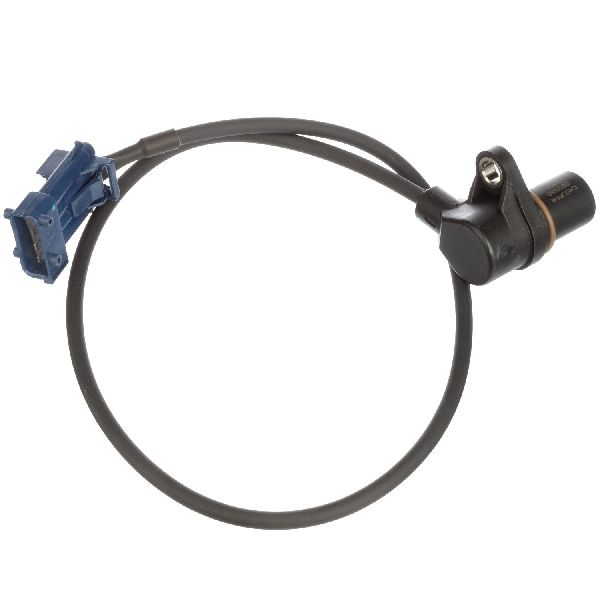
Brands like Delphi, Hella, and Vemo are well-known aftermarket manufacturers that produce quality parts. They are a good alternative if a Bosch sensor is not available or if you are on a tighter budget. These brands engineer their parts to meet or exceed OEM specifications and are generally reliable.
Tier 3: Budget-Friendly Options
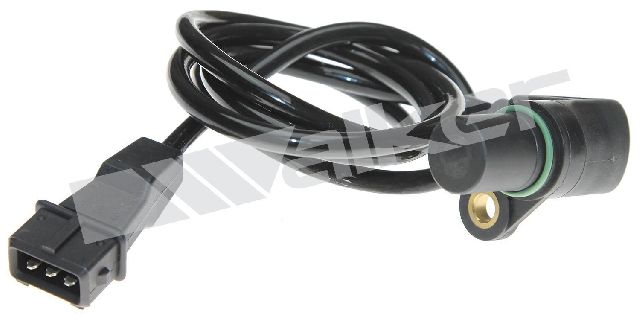
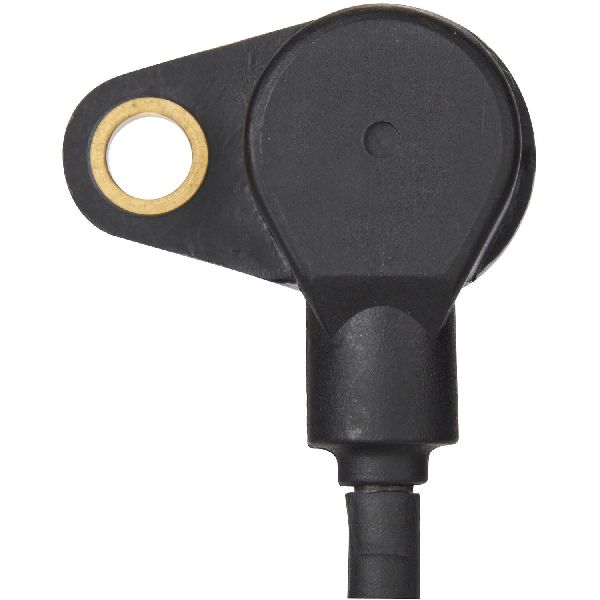
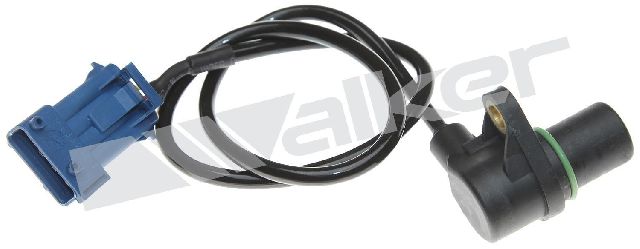
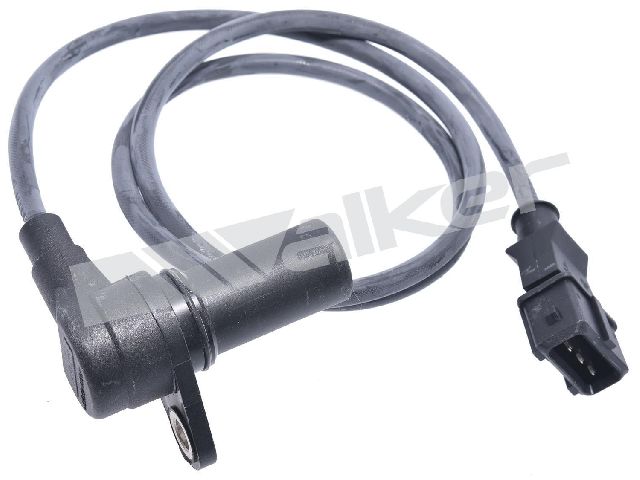
Brands like Spectra, Walker Products, and Standard Ignition (SMP) offer more affordable options. While they can get your car running again, the long-term durability may not match that of the higher-tiered brands. Given the critical role of this sensor and the labor involved in replacing it, saving a few dollars on the part itself might not be worth the risk of it failing prematurely.
| Brand Tier | Example Brands | Estimated Price |
|---|---|---|
| OEM Supplier | Bosch | $80 - $140 |
| Reputable Aftermarket | Delphi, Hella, Vemo | $50 - $95 |
| Budget Aftermarket | Spectra, Walker, Standard Ignition | $26 - $60 |
Frequently Asked Questions (FAQ)
Why does the sensor fail only when the engine is hot?
The sensor is located on the hot side of the engine, near the exhaust. Over thousands of heat cycles, the fine copper windings and electronic components inside the sensor expand and contract. Eventually, this causes tiny breaks in the internal circuits. When the engine is cold, the circuit is complete. As the engine heats up and the sensor gets hot, the broken connection expands and separates, cutting off the signal to the computer and preventing the car from starting. Once it cools down, the connection is restored.
Is a Bosch sensor really worth the extra cost?
For this specific part on a Saab, the community consensus is yes. The Trionic engine management system is sensitive to sensor inputs. A Bosch sensor guarantees the correct resistance and signal quality the system was designed for. While other brands may work, Bosch provides the most peace of mind against a repeat failure or other hard-to-diagnose running issues.
Where is the crankshaft position sensor located on my NG900?
The sensor is mounted on the back side of the engine block (the side facing the firewall), down below the exhaust manifold. It is held in by a single Torx bolt. Access is tight, and it is often reached from underneath the car after removing the splash shield. A small heat shield may also need to be removed to access the sensor itself.
Are there any recalls for this part?
No. While this is a very common failure, there have been no official recalls or Technical Service Bulletins (TSBs) issued by Saab or the NHTSA for the crankshaft position sensor on the 1994-1998 Saab 900. It is considered a regular wear-and-tear maintenance item.
Technical Specifications
OEM Part Numbers: 90451441 4227203 55557326
This guide applies to the inductive-type sensor used on 1994-1998 Saab 900 models (NG900) with 2.0L, 2.3L, and 2.5L V6 engines. It features a 3-pin connector with a long wire harness.
We Have This Part in Stock


The information in this article is provided for general reference and educational purposes only. Vehicle specifications, procedures, and part compatibility can vary by production date, trim level, and region. Always consult your vehicle's factory service manual and verify part numbers before purchasing or performing repairs. Safety-critical components such as airbags, seat belts, and braking systems should be installed by a qualified professional.
- Saab 900: