

Suzuki Sidekick A/C Expansion Valve: A Guide for 1989-1998 Models
Is your Sidekick's A/C blowing warm? The expansion valve could be the culprit—here's what you need to know.
- Confirm your Sidekick's model year; 1994-1998 models use R134a refrigerant and a different valve than the 1989-1993 R12 models.
- Symptoms include warm air, fluctuating temperatures, and frost on A/C components.
- Due to its location under the dash, replacement is a labor-intensive job best left to professionals.
- Always replace the receiver/drier when replacing the expansion valve to protect the A/C system.
Is Your Sidekick's A/C Failing? It Might Be the Expansion Valve
If your 1989-1998 Suzuki Sidekick's air conditioning isn't performing like it used to, a failing A/C expansion valve could be the problem. This component is essential for proper cooling, and when it fails, you'll notice the difference quickly. Common symptoms include warm air from the vents, inconsistent cooling that cycles between cool and warm, or even frost building up on your A/C components. Because this part is located deep within the dashboard, it's a repair you want to get right the first time.
Symptoms of a Bad A/C Expansion Valve in a Suzuki Sidekick
- Warm or Hot Air: The most common symptom. If the valve is stuck closed, it restricts refrigerant flow, leading to no cooling. If it's stuck open, it can flood the evaporator and also reduce cooling performance.
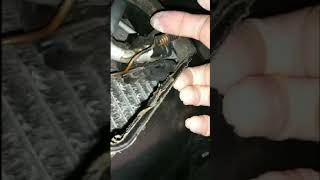
- Intermittent Cooling: The A/C might blow cold for a few minutes and then switch to warm air. This can happen if the valve is not regulating pressure correctly. 🎬 Watch: How to inspect and clean a faulty expansion valve.
- Frost on Vents or A/C Lines: You might see ice or frost on the A/C vents or the valve itself. This is often caused by the valve letting too much refrigerant through, causing parts of the system to freeze.
- Hissing Sound from the Dash: A hissing noise from the passenger side of the dashboard could indicate the valve is working improperly or that there's a pressure imbalance.
Critical: R12 vs. R134a Refrigerant
The 1989-1998 Sidekick generation spans a major change in A/C refrigerant. 1989-1993 models typically use R12 refrigerant, while 1994-1998 models use R134a. The expansion valves are different for these systems. Always verify your vehicle's model year and check the under-hood A/C sticker before ordering parts or servicing the system.
Choosing the Right Aftermarket Expansion Valve
For a vehicle like the Sidekick, original OEM parts are often discontinued or difficult to find. The aftermarket is your most reliable source. Here’s a breakdown of the available brands, from good to best, to help you choose.
Brand Quality Tiers
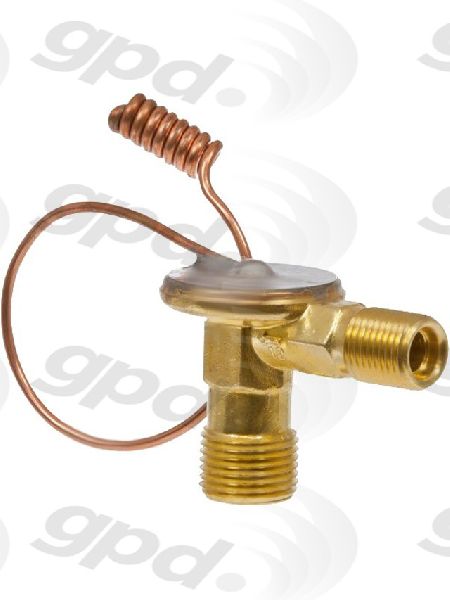
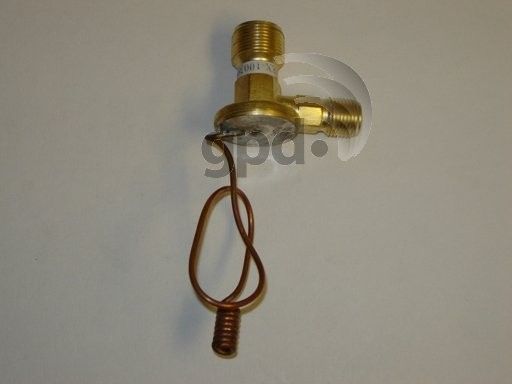
- Good - Global Parts: Global Parts Distributors (GPD) is a major aftermarket supplier offering a budget-friendly option. While some users report success, others have noted occasional part failures. This is a viable choice if keeping costs to an absolute minimum is your top priority.
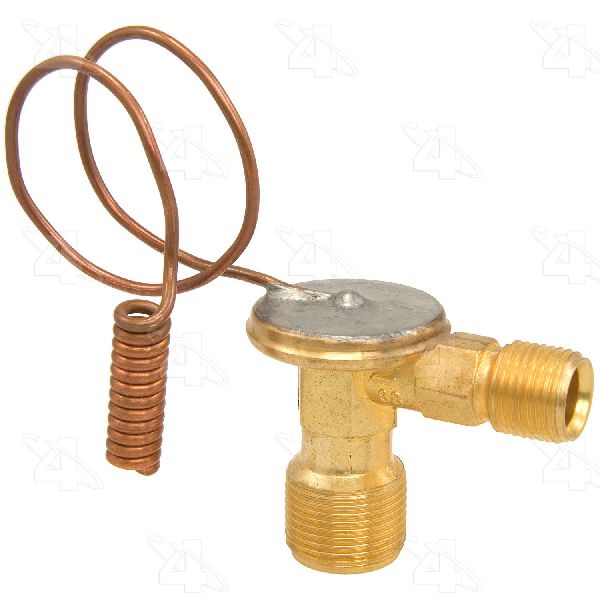
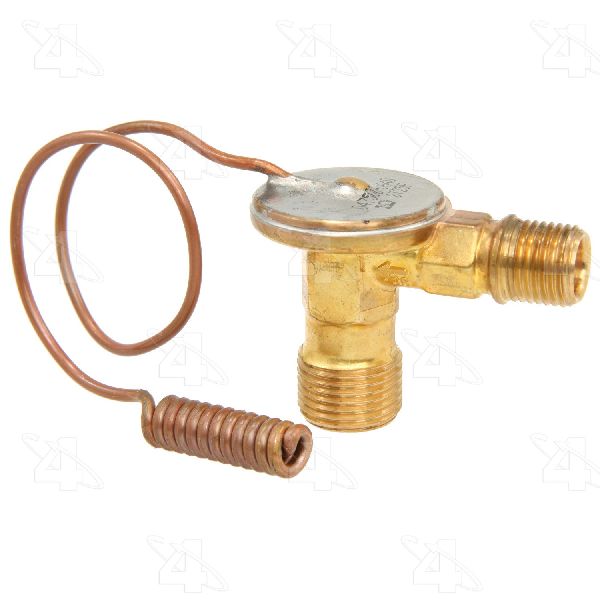
- Better - Four Seasons: Four Seasons is one of the most recognized names in aftermarket A/C parts. They offer a good balance of quality, availability, and price. For many Sidekick owners, a Four Seasons expansion valve provides reliable performance for daily driving without the higher cost of an OEM-tier part.
- Best - Denso: Denso is a well-respected OEM supplier for many Japanese automakers, including Suzuki. Choosing a Denso expansion valve is the closest you can get to original factory quality. They are known for durability and precise performance, making them the top choice if you plan to keep your Sidekick running for years to come.
| Brand | Price Range |
|---|---|
| Global Parts | $18.55 - $30.00 |
| Four Seasons | $25.00 - $45.00 |
| Denso | $40.00 - $58.31 |
Pro Tip: Replace the Receiver/Drier
Anytime the A/C system is opened for a repair like replacing the expansion valve, you MUST also replace the receiver/drier (or accumulator). The drier absorbs moisture and traps debris. A new one is essential to protect your new expansion valve and the rest of the A/C system from contamination and premature failure.
Frequently Asked Questions (FAQ)
Can I replace the Sidekick's expansion valve myself?
This is a difficult job for a DIY mechanic. The expansion valve is located inside the evaporator housing under the passenger-side dashboard. Access requires significant disassembly of the dash. 🎬 See this walkthrough on how to remove the dashboard and evaporator. The job also requires specialized equipment to safely evacuate and recharge the A/C system refrigerant. For most owners, this repair is best left to a professional shop.
How do I know it's the expansion valve and not the compressor?
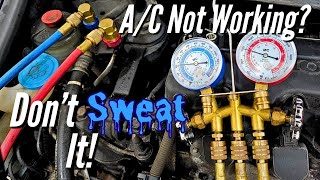
Diagnosing A/C issues can be tricky. While symptoms can point to the expansion valve, a bad compressor or a simple refrigerant leak can cause similar issues. A professional diagnosis using an A/C manifold gauge set is the best way to be certain. 🎬 Watch: How to troubleshoot and diagnose your A/C system like a pro. The gauges can show pressure readings that indicate whether the valve is clogged, stuck open, or if the issue lies elsewhere.
Are there any recalls for the Suzuki Sidekick A/C system?
No. There have been no recalls issued by the NHTSA for the A/C expansion valve or any other major A/C component on the 1989-1998 Suzuki Sidekick.
What is the difference between an expansion valve and an orifice tube?
They both perform the same basic function of metering refrigerant into the evaporator, but they are different designs. Your 1989-1998 Suzuki Sidekick uses an expansion valve system, not an orifice tube. It's important to know this as the parts are not interchangeable.
Helpful Videos


Technical Specifications
OEM Part Numbers: 95431-67A50 (for 1994-98 R134a models) 96061713 (interchange for 1989-93 R12 models)
This vehicle uses a block-type thermal expansion valve (TXV) located on the evaporator core inside the passenger cabin.
We Have This Part in Stock

The information in this article is provided for general reference and educational purposes only. Vehicle specifications, procedures, and part compatibility can vary by production date, trim level, and region. Always consult your vehicle's factory service manual and verify part numbers before purchasing or performing repairs. Safety-critical components such as airbags, seat belts, and braking systems should be installed by a qualified professional.
- Suzuki Sidekick:
- 🎬 Helpful Videos
- 🛍️ Shop This Part
- Is Your Sidekick's A/C Failing? It Might Be the Expansion Valve
- Symptoms of a Bad A/C Expansion Valve in a Suzuki Sidekick
- Critical: R12 vs. R134a Refrigerant
- Choosing the Right Aftermarket Expansion Valve
- Brand Quality Tiers
- Pro Tip: Replace the Receiver/Drier
- Frequently Asked Questions (FAQ)
- 🎟️ Get 5% Off