

A Practical Guide to Front Disc Brake Pads for the 1989-1998 Suzuki Sidekick
Get the right stopping power for your daily drive or off-road adventure with the correct set of new brake pads.
- Choose pad material based on your driving: ceramic for quiet daily driving, semi-metallic for towing or off-roading.
- Listen for squealing as a warning to replace pads soon; grinding means stop driving immediately to avoid rotor damage.
- For a vehicle this age, quality aftermarket brands like Bosch, Centric, Powerstop, and EBC offer better value and more options than OEM.
- Always inspect brake rotors when changing pads and replace them if they are warped, grooved, or below minimum thickness.
Symptoms of Worn Brake Pads on a Suzuki Sidekick
Your Sidekick will give you clear signs when the brake pads are nearing the end of their life. Ignoring these can lead to more expensive repairs. The most common symptom is a high-pitched squealing or screeching sound when you apply the brakes. This noise comes from a small metal tab called a wear indicator, which is designed to contact the brake rotor when the pad material gets too thin.
If you hear a loud grinding or growling noise, it's a more serious issue. This means the friction material has completely worn away, and the metal backing plate of the pad is grinding against the rotor. This can quickly destroy your brake rotors, turning a simple pad replacement into a more costly job. Other signs include a brake pedal that feels soft or spongy, taking longer to stop than usual, or the vehicle pulling to one side when braking.
Grinding is a Critical Warning
If you hear a grinding sound, stop driving the vehicle as soon as it is safe. Continuing to drive can cause severe damage to the brake rotors and potentially the calipers, significantly increasing repair costs. It is a critical safety issue.
Choosing the Right Aftermarket Brake Pads
For a vehicle like the 1989-1998 Suzuki Sidekick, original equipment (OEM) pads are often expensive or no longer available. Aftermarket brands offer a wide variety of pads that meet or exceed original quality, often at a much better price. The key is to choose a pad that matches your driving style.
Pad Material: Ceramic vs. Semi-Metallic
- Ceramic Pads: These are a great choice for most daily drivers. They are known for being very quiet, producing less brake dust (which keeps your wheels cleaner), and offering smooth, consistent stopping power. Brands like Bosch and Wagner often feature strong ceramic options.
- Semi-Metallic Pads: If you use your Sidekick for towing, heavy hauling, or frequent off-roading, semi-metallic pads are a better fit. They offer a stronger "bite" and handle heat better than ceramic pads, which helps prevent brake fade during heavy use. However, they tend to be noisier and produce more dust. Brands like EBC Brakes and Powerstop are popular in this category.
Brand Tiers for Your Sidekick
The many brands available can be grouped into general categories:
- Economy & Daily Driver ($-$$): Brands like Pronto, Dynamic Friction, and Total Stopping Solutions offer a good balance of affordability and reliable performance for typical commuting and daily use. They meet safety standards and are a solid replacement for worn-out pads.
- Premium Daily Driver ($$-$$$): Brands such as Bosch, Raybestos (Element3), Centric, and Wagner Brakes are known for excellent quality that often matches or exceeds OEM standards. They provide quiet operation, low dust, and a long service life, making them a great investment for most owners.
- Performance & Heavy-Duty ($$$-$$$$): If you demand more from your brakes, look to brands like EBC Brakes, Powerstop, Brembo, and Pagid. These pads are designed for aggressive stopping, better heat management, and consistent performance under heavy loads. They are ideal for modified Sidekicks, those used for towing, or spirited driving.
Pro Tip: Inspect Your Rotors
When replacing your brake pads, always inspect the brake rotors. If they have deep grooves, a large lip on the outer edge, or show signs of warping (which causes a pulsing sensation when braking), they should be replaced. Installing new pads on bad rotors will cause the new pads to wear out quickly and unevenly.
Known Issues for 1989-1998 Suzuki Sidekick Brakes
No major recalls or technical service bulletins (TSBs) exist specifically for the disc brake pads on this generation of Sidekick. However, there are a few related items to be aware of:
- Brake Lamp Switch Recall: A recall was issued for some 1998 models for a faulty brake lamp switch. This could cause the brake lights to fail and, in automatic transmission models, prevent the shifter from moving out of "Park." While not a pad issue, it's a critical safety repair to check on.
- Sticking Caliper Pins: Like any vehicle, the Sidekick's brake calipers use guide pins to slide back and forth. If these pins are not lubricated, they can stick, causing the pads to drag or wear unevenly. During a brake job, these pins should always be cleaned and lubricated with high-temperature brake grease.
- Aftermarket Pad Fitment: Some owners in forums have noted that very cheap, low-quality aftermarket pads can be too tight in the mounting clips or shims, causing them to bind or drag. Sticking with a reputable brand usually prevents this issue.
Frequently Asked Questions (FAQ)
Do I have to replace my rotors with my brake pads?
Not always, but it is highly recommended. If your rotors are smooth, straight, and above the minimum thickness specification, you may be able to install new pads on them. However, replacing pads and rotors together as a set ensures the best performance, proper bedding-in of the new pads, and a longer lifespan for the entire brake system.
What's the difference between ceramic and semi-metallic pads for my Sidekick?
Ceramic pads are best for quiet, clean, everyday driving. Semi-metallic pads are better for heavy-duty use like towing or off-roading because they handle heat better and provide a stronger initial bite, at the cost of more noise and dust.
How difficult is it to replace the front brake pads myself?
For a mechanically inclined person with the right tools, replacing the front brake pads and rotors on a Sidekick is a relatively easy job. It typically takes 1-2 hours. There are many video guides available online that walk through the process. The most important steps are ensuring the vehicle is safely supported, properly compressing the caliper piston, and lubricating all moving parts.
Are expensive performance pads worth it on an old Sidekick?
It depends on how you use it. For a stock Sidekick used for daily driving, a quality daily-driver pad from a brand like Bosch or Raybestos is more than enough. If you have larger tires, use it for frequent off-roading, or tow trailers, a performance pad from Powerstop or EBC can provide a noticeable improvement in stopping power and fade resistance.
Technical Specifications
OEM Part Numbers: 55200-60A31 55200-60A50 55200-85C00
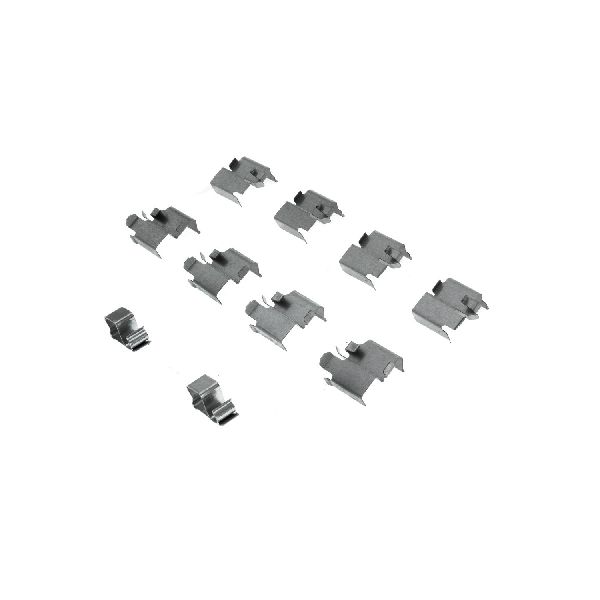
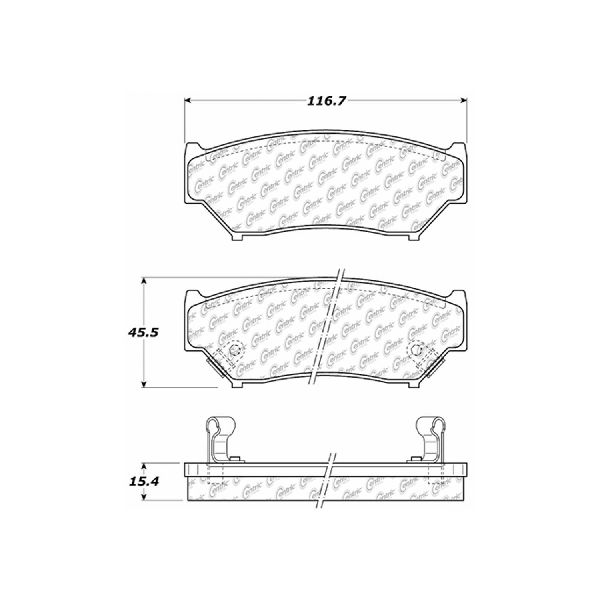
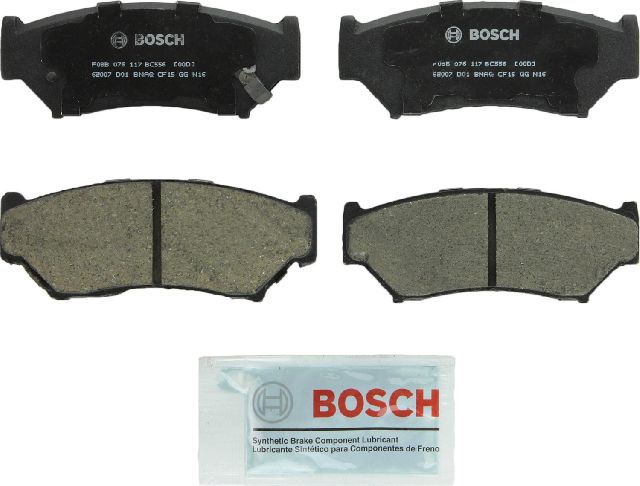
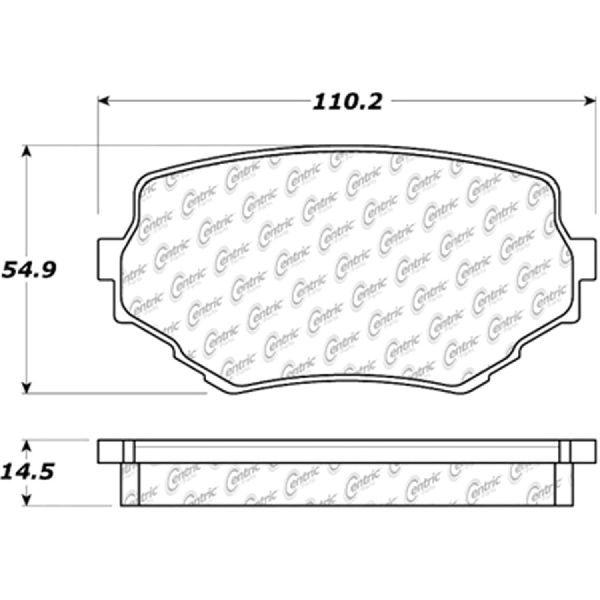
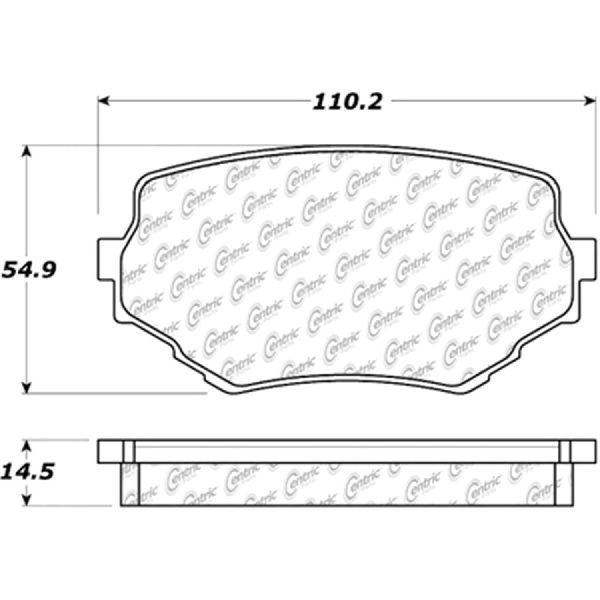
The front disc brake pads for the 1989-1998 Suzuki Sidekick are often cross-referenced with the Geo Tracker of the same years. A common aftermarket part designation is D680. Always confirm fitment for your specific vehicle year and model (2-door vs. 4-door) before purchasing.
We Have This Part in Stock


The information in this article is provided for general reference and educational purposes only. Vehicle specifications, procedures, and part compatibility can vary by production date, trim level, and region. Always consult your vehicle's factory service manual and verify part numbers before purchasing or performing repairs. Safety-critical components such as airbags, seat belts, and braking systems should be installed by a qualified professional.
- Suzuki Sidekick:
- 🛍️ Shop This Part
- Symptoms of Worn Brake Pads on a Suzuki Sidekick
- Grinding is a Critical Warning
- Choosing the Right Aftermarket Brake Pads
- Pad Material: Ceramic vs. Semi-Metallic
- Brand Tiers for Your Sidekick
- Pro Tip: Inspect Your Rotors
- Known Issues for 1989-1998 Suzuki Sidekick Brakes
- Frequently Asked Questions (FAQ)
- 🎟️ Get 5% Off