

Engine Coolant Temperature Sensor Guide for the 1989-1998 Suzuki Sidekick
Is your Sidekick running rough, getting bad gas mileage, or showing a strange temperature reading? Your coolant sensor might be the problem.
- Verify if you need the two-wire ECU sensor for engine performance or the one-wire gauge sender for the dashboard before buying.
- A bad sensor will cause poor fuel economy, rough running, and can lead to more expensive repairs if ignored.
- Choose a quality aftermarket brand like NGK, Delphi, or Standard Ignition for reliable, long-term performance.
- This is a simple and inexpensive DIY repair that most owners can perform in under an hour with basic tools.
Understanding the Engine Coolant Temperature Sensor in Your Sidekick

The Engine Coolant Temperature (ECT) sensor plays a crucial role in your 1989-1998 Suzuki Sidekick's performance and efficiency. It acts as a thermometer for the engine's computer, the ECU. The ECU uses the sensor's reading to adjust how much fuel to inject and when to fire the spark plugs. A correct reading ensures your engine runs smoothly, whether it's a cold morning start or a hot summer day. An incorrect signal can lead to poor performance and can even cause damage over time.
A Common Point of Confusion: ECU Sensor vs. Gauge Sender
One of the most common mistakes when ordering this part for a 1989-1998 Sidekick is getting the wrong sensor. These vehicles typically have two separate units related to coolant temperature:
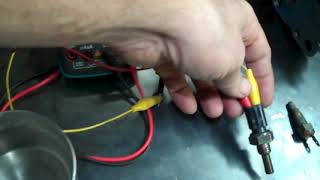
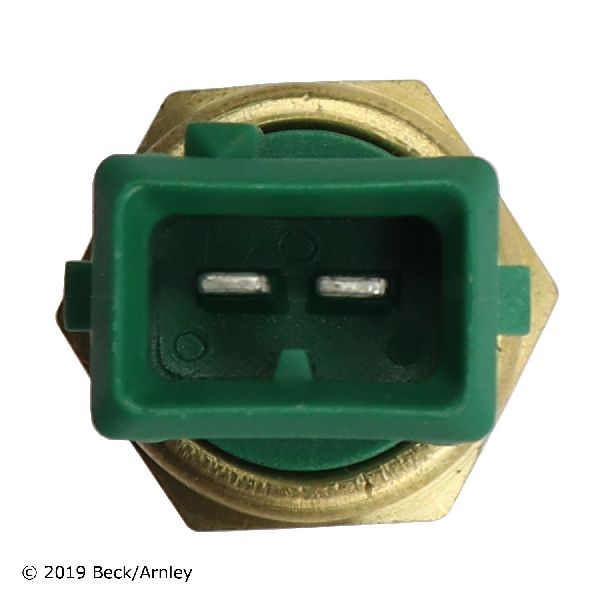
- ECU Coolant Temperature Sensor: This is the main sensor the engine computer uses. It usually has two wires and is responsible for engine performance. A failure here will affect how your Sidekick runs. 🎬 Watch: How to test the sensor on a 1995 Sidekick.
- Temperature Gauge Sender: This is a simpler, one-wire unit that only operates the temperature gauge on your instrument cluster. If this fails, your gauge will read incorrectly (stuck on cold or hot), but it won't affect engine performance.
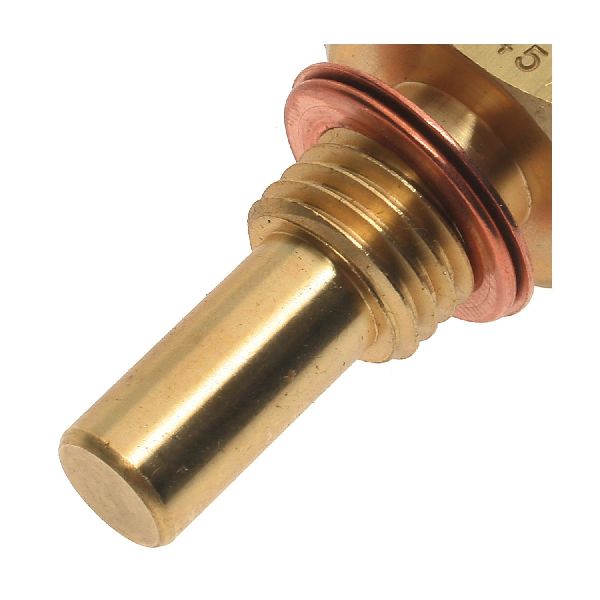
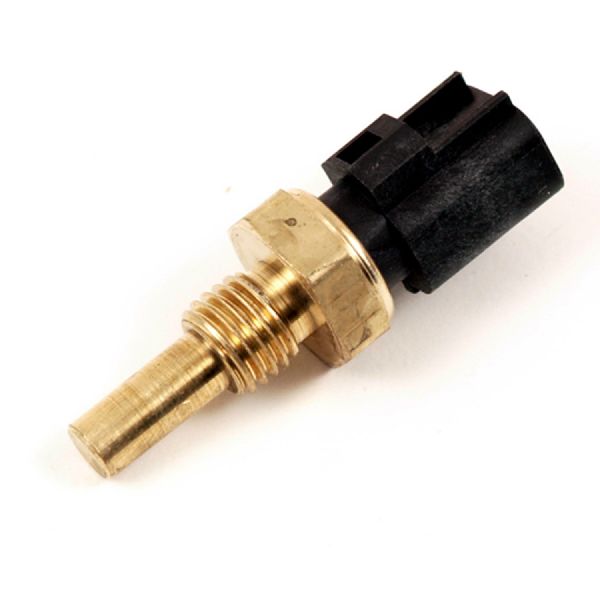
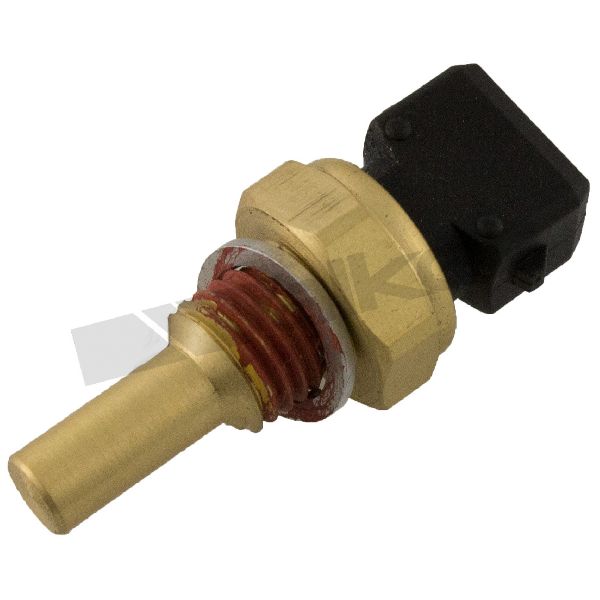
Pro Tip: Before ordering, visually inspect the sensor you intend to replace. Note the number of wires and its location on the engine (often near the thermostat housing) to ensure you purchase the correct part.
Symptoms of a Failing ECT Sensor

A bad ECU coolant sensor can make your Sidekick act up in several ways. Because the computer is getting bad information, it makes poor decisions about how to run the engine.
🎬 See a breakdown of common symptoms and warning signs.- Poor Fuel Economy: If the sensor reads cold all the time, the ECU will constantly enrich the fuel mixture, wasting gas.
- Black Smoke from Exhaust: A rich fuel mixture can result in unburned fuel leaving through the exhaust, creating black smoke.
- Hard Starting (Especially When Warm): If the sensor tells the ECU the engine is cold when it's actually hot, the resulting rich mixture can flood the engine, making it difficult to start.
- Rough Idle or Stalling: The wrong air-fuel mixture can cause the engine to idle poorly or even stall.
- Check Engine Light: On later OBD-II models (1996-1998), a failing sensor will likely trigger a Check Engine Light with codes like P0115, P0116, P0117, or P0118.
- Engine Overheating: In some cases, a faulty sensor can fail to trigger the electric cooling fans, leading to overheating.
Choosing the Right Aftermarket Brand

For a vehicle like the 1989-1998 Sidekick, a quality aftermarket sensor is a smart choice. The technology is not complex, and reputable brands produce parts that meet or exceed the original specifications for a fraction of the OEM price. However, not all aftermarket parts are created equal. It's best to avoid the cheapest, unbranded options, which can be unreliable.
| Tier | Brands | Notes |
|---|---|---|
| Top Tier | NGK, Delphi, Standard Ignition (SMP), Beck Arnley | These brands have a strong reputation for quality and reliability, often manufacturing parts for the original automakers. They are a safe bet for a long-lasting repair. |
| Mid-Grade | Walker Products, Four Seasons, Hella | Generally considered reliable and a good value. These brands offer a good balance of price and quality for most owners. |
| Economy | URO Parts, True Tech, Global Parts, various store brands | These parts are budget-friendly but may have higher failure rates or less precise readings. Use with caution; recommended only for temporary fixes or if budget is the primary concern. |
OEM vs. Aftermarket Quality
While an OEM sensor from Suzuki would be high quality, they are often difficult to find and expensive for a vehicle of this age. A top-tier aftermarket brand like NGK, Delphi, or Standard Ignition will provide equal performance and reliability for your Sidekick at a much better price. The key is to choose a recognized brand over a generic, no-name part.
Frequently Asked Questions (FAQ)

Where is the ECT sensor located on my Sidekick?
The Engine Coolant Temperature sensor is typically screwed into the engine block or cylinder head near the thermostat housing, where it can accurately measure the temperature of the coolant as it circulates. You will need to trace the upper radiator hose back to the engine to find the thermostat housing area.
Can I replace the ECT sensor myself?
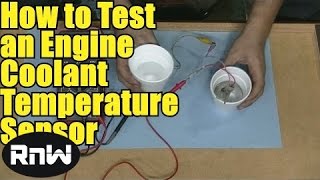
Yes, this is a very DIY-friendly job for most home mechanics. It usually requires basic hand tools like a wrench or deep socket. 🎬 Learn how to test your sensor using a basic multimeter. The main steps involve partially draining the coolant, unplugging the electrical connector, unscrewing the old sensor, and installing the new one. Be sure to have the new sensor ready to swap in quickly to minimize coolant loss.
What happens if I don't replace a bad ECT sensor?
Ignoring a bad sensor can lead to several problems. You'll experience poor fuel economy and rough running. Over time, a consistently rich fuel mixture can foul your spark plugs and damage your catalytic converter, leading to more expensive repairs. In rare cases, it could contribute to an overheating event.
Are there any recalls for the Sidekick's cooling system?
Searches of the NHTSA database did not show any specific recalls for the engine coolant temperature sensor on the 1989-1998 Suzuki Sidekick. However, a Technical Service Bulletin (TSB) was issued regarding the correct type of coolant to use, highlighting the importance of using a phosphate-based ethylene glycol coolant to prevent system damage.
Helpful Videos

Technical Specifications
OEM Part Numbers: 34850-58B00
Varies by function. The ECU sensor is a two-terminal thermistor that changes resistance with temperature. The gauge sender is typically a single-terminal unit. Both are usually located near the thermostat housing on the 1.6L engine.
We Have This Part in Stock


The information in this article is provided for general reference and educational purposes only. Vehicle specifications, procedures, and part compatibility can vary by production date, trim level, and region. Always consult your vehicle's factory service manual and verify part numbers before purchasing or performing repairs. Safety-critical components such as airbags, seat belts, and braking systems should be installed by a qualified professional.
- Suzuki Sidekick:
- 🎬 Helpful Videos
- 🛍️ Shop This Part
- Understanding the Engine Coolant Temperature Sensor in Your Sidekick
- A Common Point of Confusion: ECU Sensor vs. Gauge Sender
- Symptoms of a Failing ECT Sensor
- Choosing the Right Aftermarket Brand
- OEM vs. Aftermarket Quality
- Frequently Asked Questions (FAQ)
- 🎟️ Get 5% Off