

Suzuki Sidekick Oxygen Sensor Guide for 1989-1998 Models
Everything you need to know before replacing the oxygen sensor on your 1989-1998 Suzuki Sidekick.
- Verify if your Sidekick is OBD-I (1989-95, 1 sensor) or OBD-II (1996-98, 2 sensors) before buying.
- For best results and longevity, choose a direct-fit sensor from a premium brand like Denso or NGK/NTK.
- Be prepared for a difficult removal. Use plenty of penetrating oil and the correct O2 sensor socket.
- A bad O2 sensor will decrease gas mileage and can eventually damage your catalytic converter, a much more expensive repair.
Is Your Suzuki Sidekick's Oxygen Sensor Failing?
A bad oxygen sensor can cause a variety of issues, from poor performance to a failed emissions test. The most common sign of a problem is an illuminated Check Engine Light on your dashboard. You might also notice a significant drop in gas mileage, a rough idle, or hesitation when you accelerate. In some cases, you may see black smoke or smell rotten eggs from the exhaust, which indicates a very rich fuel mixture caused by the faulty sensor.
OBD-I vs. OBD-II Models
It's important to know which system your Sidekick has. Models from 1989-1995 use an OBD-I diagnostic system, which provides simpler trouble codes. Models from 1996-1998 use the more advanced OBD-II system, which offers more specific codes like P0135 (for the front sensor heater) or P0141 (for the rear sensor heater).
Choosing the Right Aftermarket Oxygen Sensor
While you can buy an OEM sensor from Suzuki, high-quality aftermarket parts offer excellent performance and value. For a Japanese vehicle like the Sidekick, certain brands have a better reputation than others. It's generally recommended to stick with direct-fit sensors to avoid the hassle of splicing wires that comes with universal models.
Brand Quality Tiers for Suzuki Sidekick
- Premium (OEM-Equivalent): Denso & NGK (NTK)
These brands are often the original equipment manufacturers for Japanese vehicles and are highly recommended in owner forums. They are known for their reliability, durability, and precise fit, making them a top choice for a long-lasting repair. - Mid-Grade (Quality Aftermarket): Bosch & Delphi
Bosch invented the oxygen sensor and is a massive OEM supplier. However, for Japanese applications, some owners prefer Denso or NGK. Delphi is also considered a solid, reliable choice, especially their direct-fit models. - Standard/Economy: Spectra, Walker Products, DriveWire
These brands provide a functional and budget-friendly solution. They meet basic requirements and can be a good choice if cost is the primary concern, though their long-term durability may not match premium brands.
How Many Sensors Do I Need?
The number of sensors depends on your Sidekick's year and emissions system:
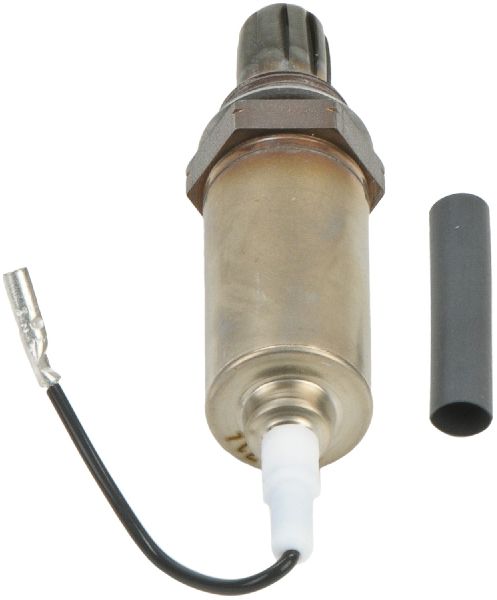
- 1989-1995 (1.6L): These models typically have one oxygen sensor. It is located upstream, in the exhaust manifold before the catalytic converter. You may find 3-wire or 4-wire versions depending on the specific year and whether it's a Federal or California 🎬 See how to identify and replace a 1995 heated sensor. emissions model.
- 1996-1998 (1.6L & 1.8L Sport): These OBD-II models have two oxygen sensors. One is the upstream sensor (Bank 1, Sensor 1) for controlling the air-fuel mixture, and the second is a downstream sensor (Bank 1, Sensor 2) located after 🎬 Watch this diagnostic and replacement walkthrough for OBD-II models. the catalytic converter to monitor its performance.
Pro Tip: Replacing Sensors
Oxygen sensors can be extremely difficult to remove due to years of heat and rust. Always apply a generous amount of penetrating oil to the threads and let it soak before attempting removal. A special oxygen sensor socket with a slit for the wire is highly recommended. In severe cases, heating the exhaust pipe or manifold around the sensor with a torch may be necessary to break it loose.
Aftermarket Oxygen Sensor Cost for 1989-1998 Suzuki Sidekick
| Part Tier | Typical Price Range (Per Sensor) |
|---|---|
| Premium (Denso, NGK) | $60 - $170 |
| Mid-Grade (Bosch, Delphi) | $45 - $120 |
| Economy (DriveWire, Walker) | $25 - $75 |
Prices are estimates and can vary based on the specific sensor type (3-wire, 4-wire, upstream/downstream) and retailer.
Frequently Asked Questions
Can I drive with a bad oxygen sensor?
Yes, but it's not recommended for an extended period. A faulty sensor will cause poor fuel economy, increased emissions, and can eventually lead to expensive damage to your catalytic converter.
🎬 Check out these cheap and easy fixes for common sensor issues.What's the difference between an upstream and downstream sensor?
On 1996-1998 models, the upstream (Bank 1, Sensor 1) sensor is before the catalytic converter and is the primary sensor for adjusting the air-fuel mix. The downstream (Bank 1, Sensor 2) sensor is after the converter and its main job is to make sure the converter is working correctly.
What tools do I need to replace an O2 sensor?
You will need a ratchet, penetrating oil, and a special oxygen sensor socket (usually 22mm or 7/8"). For sensors seized by rust, you may also need a breaker bar or a torch.
Why are there 3-wire and 4-wire sensors?
The wires are for the sensor signal, ground, and the internal heater circuit. 4-wire sensors have a dedicated ground for the sensor signal, while 3-wire sensors may ground through the exhaust system. The heater helps the sensor reach operating temperature faster for more accurate readings on cold starts. It is critical to use the correct wire-count sensor for your vehicle.
Was there a recall on Sidekick oxygen sensors?
Yes, in 1994 the EPA announced a recall for some Suzuki models, including the Sidekick, for excessive carbon monoxide emissions. The fix was to replace the original oxygen sensor with a newly designed one. No safety recalls for the oxygen sensor are currently active on the NHTSA database.
Helpful Videos
Technical Specifications
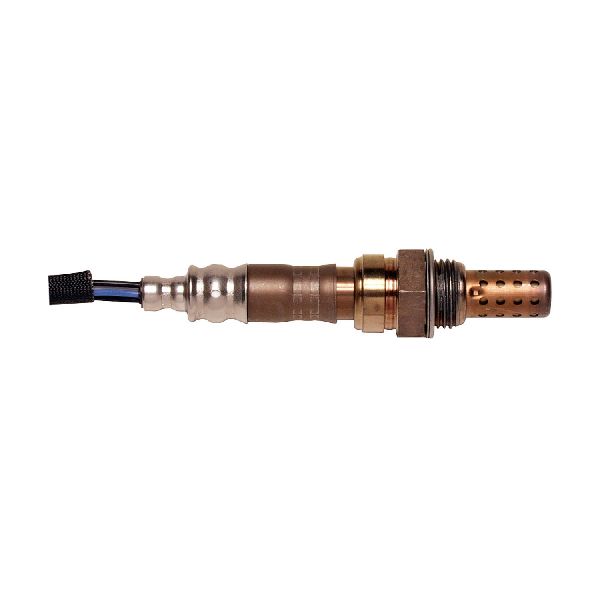
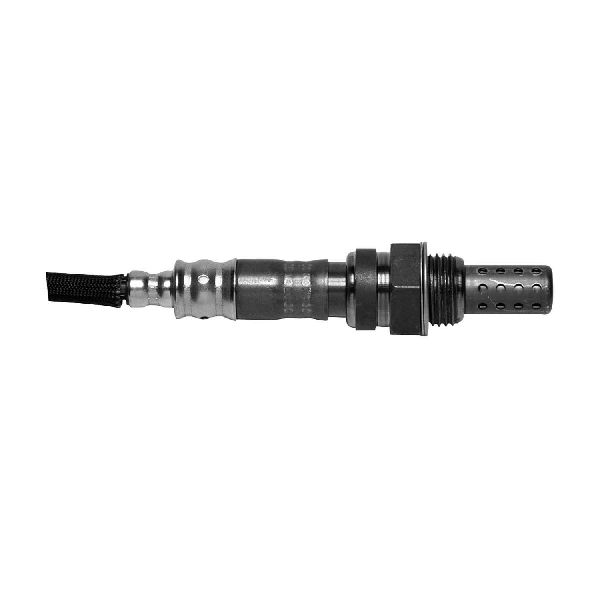
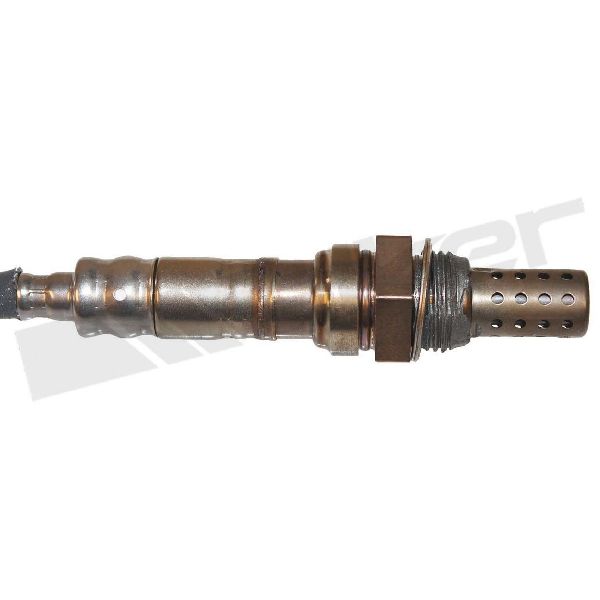
OEM Part Numbers: 18213-56B00 18213-58B00 18213-58B10 18213-77E10 18213-77E11 18213-50G00 18213-65D01
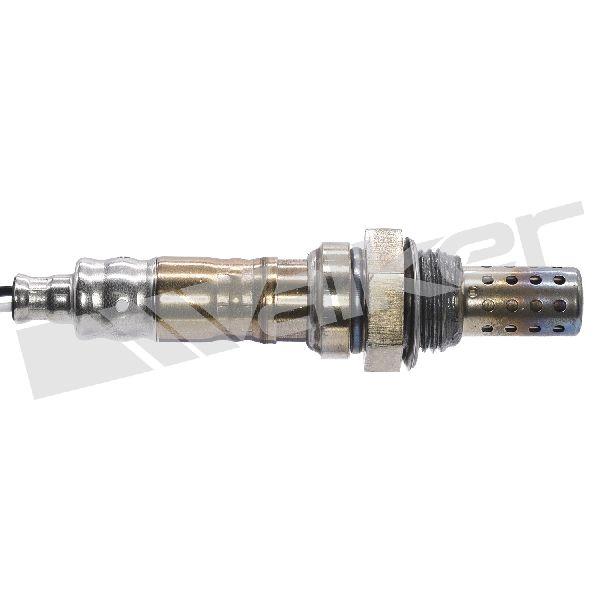
Varies by year. Pre-1996 models typically use a single 3-wire or 4-wire upstream sensor. 1996-1998 models use a 4-wire upstream sensor and a 4-wire downstream sensor. All are heated types with a standard M18 thread size.
We Have This Part in Stock


The information in this article is provided for general reference and educational purposes only. Vehicle specifications, procedures, and part compatibility can vary by production date, trim level, and region. Always consult your vehicle's factory service manual and verify part numbers before purchasing or performing repairs. Safety-critical components such as airbags, seat belts, and braking systems should be installed by a qualified professional.
- Suzuki Sidekick:
- 🎬 Helpful Videos
- 🛍️ Shop This Part
- Is Your Suzuki Sidekick's Oxygen Sensor Failing?
- OBD-I vs. OBD-II Models
- Choosing the Right Aftermarket Oxygen Sensor
- Brand Quality Tiers for Suzuki Sidekick
- How Many Sensors Do I Need?
- Pro Tip: Replacing Sensors
- Aftermarket Oxygen Sensor Cost for 1989-1998 Suzuki Sidekick
- Frequently Asked Questions
- 🎟️ Get 5% Off