

Understanding and Replacing the Starter on a 1989-1998 Suzuki Sidekick
Don't get stranded by a no-start issue; learn the signs of a failing starter and how to choose a reliable replacement.
- The most common symptom of a failing Sidekick starter is a single, loud click with no engine crank.
- Always test the battery and check its connections before replacing the starter; a weak battery can mimic starter problems.
- For this vehicle, a new aftermarket starter offers the best combination of reliability and value.
- Replacement is a straightforward DIY job for those with basic tools, typically requiring only 1-2 hours.
Is Your Sidekick's Starter Failing?
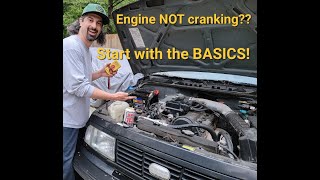
For a vehicle as durable as the 1989-1998 Suzuki Sidekick, a no-start condition is a major frustration. Often, the culprit is the starter motor. Before you condemn the starter, always check your battery first. 🎬 Watch: Start with these basics if your engine won't crank. Make sure the terminals are clean and tight, and the battery has a full charge (at least 12.4 volts). If the battery is healthy, the starter is the next likely suspect.
🎬 See this expert guide on diagnosing common starter problems.Common Symptoms of a Bad Starter
- Single, Loud Click: You turn the key and hear one solid 'click' from under the hood, but the engine doesn't turn over. This usually means the starter solenoid is engaging, but the motor itself isn't spinning.
- Rapid Clicking/Chattering: A fast series of clicks often points to a weak battery, but it can also happen if a bad starter is drawing too much power for the battery to supply.
- No Sound at All: If the lights come on but you hear nothing when you turn the key, the problem could be the starter, the solenoid, or the wiring in between. A loose spade connector on the solenoid is a simple, common issue to check first.
- Grinding Noise: A grinding sound during or after cranking can indicate a problem with the starter gear not meshing properly with the flywheel, or not retracting after the engine starts.
Heat Soak Issues
Some owners report an intermittent no-start problem only after the engine has been running for a while and is hot. The vehicle starts fine when cold, but won't restart until it cools down. This is a classic sign of a starter motor that is failing internally, as heat increases electrical resistance.
Choosing a New Aftermarket Starter
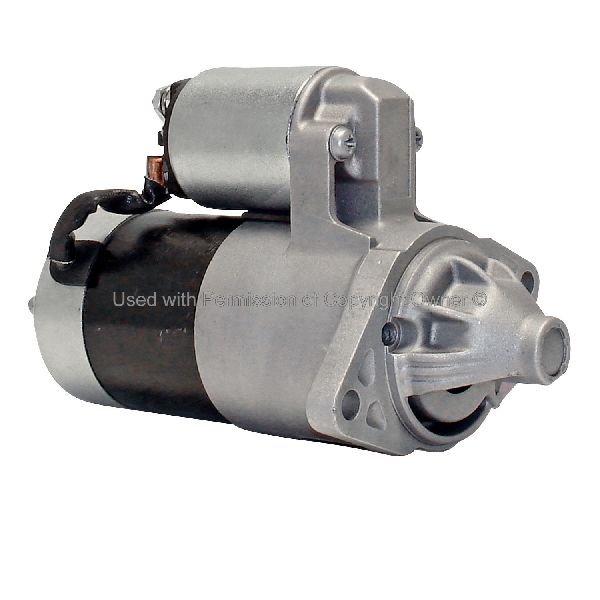
For a vehicle from this era, new OEM (Original Equipment Manufacturer) parts are often unavailable or prohibitively expensive. New aftermarket starters are the most practical and popular choice, offering a balance of quality and value. Brands like MPA provide starters that are designed to meet or exceed original specifications. These parts are manufactured new, so you don't have to worry about returning a core, and they often come with warranties.
OEM vs. Aftermarket Quality
While an original Denso or Mitsubishi starter from the factory was excellent, a 25-year-old original starter is at the end of its life. A quality new aftermarket starter, like those from MPA, uses modern materials and manufacturing techniques. For the Suzuki Sidekick, a new aftermarket starter is a reliable and cost-effective repair that will provide dependable starting for years to come.
Starter Replacement Cost for 1989-1998 Suzuki Sidekick
The cost to replace the starter is reasonable, especially if you can do the work yourself. The job is straightforward for a DIY mechanic with basic tools.
| Part or Service | Estimated Cost |
|---|---|
| New Aftermarket Starter (e.g., MPA) | $82 - $137 |
| Shop Labor | $100 - $200 |
| Total Professional Replacement | $182 - $337 |
DIY Replacement Tips
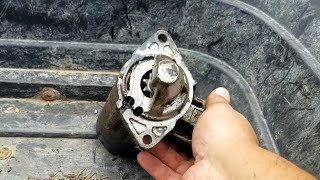
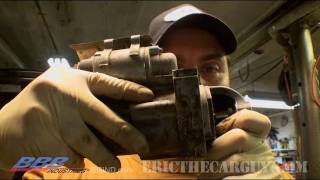
Replacing the starter on a 1.6L Sidekick is a manageable DIY job. Always disconnect the negative battery terminal first. The starter is held on by two bolts, typically 12mm. Access can be tight, but many mechanics prefer working from the top, leaning over the fender. 🎬 Watch: A complete walkthrough for replacing your Sidekick's starter. Pay close attention to the small solenoid wire; it's a simple spade connector that can sometimes just fall off, causing a no-start condition.
Frequently Asked Questions
Are there any recalls for the Sidekick starter?
No. Searches of NHTSA records show no recalls specifically for the starter motor on the 1989-1998 Suzuki Sidekick.
Is it the battery, alternator, or starter?
A dead battery, failing alternator, or bad starter can all cause a no-start issue. If jump-starting the vehicle works, your issue is likely the battery or alternator. If you hear a loud click but no crank even with a good battery, the starter is the most likely culprit.
Can I just replace the starter solenoid?
Yes, the solenoid is often available as a separate part. However, if the starter motor itself is old, it may fail soon after. Given the affordable cost of a complete new aftermarket starter assembly, which includes a new motor and solenoid, replacing the entire unit is usually the more reliable and time-saving option.
What tools are needed to replace the starter?
You will need a basic set of metric wrenches and sockets. For the Sidekick, 10mm and 12mm wrenches/sockets are the most important for this job. A ratcheting wrench can be very helpful for the tight spaces.
Helpful Videos
Technical Specifications
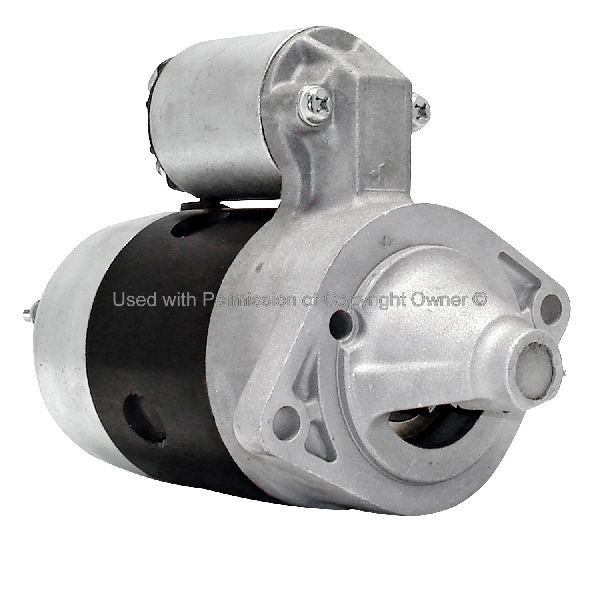
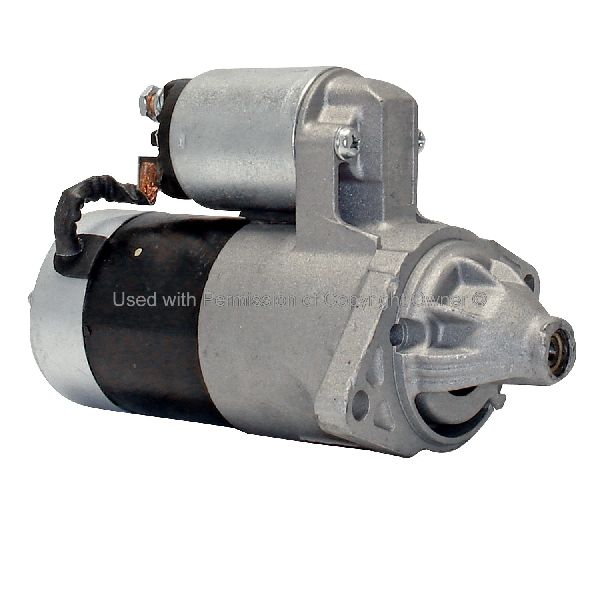
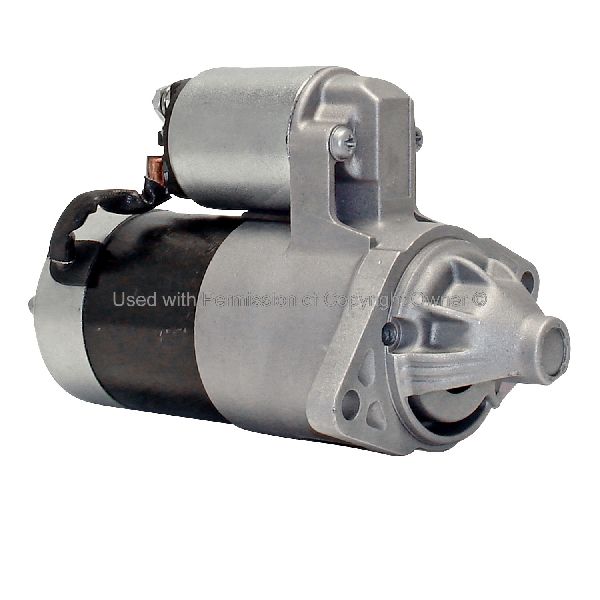
OEM Part Numbers: 31100-60A12 31100-60A13 31100-60A20 31100-60A21 31100-60A22
Voltage: 12V, Power Rating: 1.4 kW, Rotation: Clockwise, Teeth: 8
We Have This Part in Stock

The information in this article is provided for general reference and educational purposes only. Vehicle specifications, procedures, and part compatibility can vary by production date, trim level, and region. Always consult your vehicle's factory service manual and verify part numbers before purchasing or performing repairs. Safety-critical components such as airbags, seat belts, and braking systems should be installed by a qualified professional.
- Suzuki Sidekick:
- 🎬 Helpful Videos
- 🛍️ Shop This Part
- Is Your Sidekick's Starter Failing?
- Common Symptoms of a Bad Starter
- Heat Soak Issues
- Choosing a New Aftermarket Starter
- OEM vs. Aftermarket Quality
- Starter Replacement Cost for 1989-1998 Suzuki Sidekick
- DIY Replacement Tips
- Frequently Asked Questions
- 🎟️ Get 5% Off