

A Deep Dive into Front Suspension Struts for the 1989-1998 Suzuki Sidekick
Restore your Sidekick's ride quality and handling by choosing the right replacement front struts.
- The 1989-1998 Sidekick uses struts in the front and separate shocks in the rear; ensure you buy the correct part.
- A major recall affected 1996-1997 models for weak front strut mounts; inspect this area carefully during replacement.
- KYB is a highly recommended aftermarket brand for quality and performance, while FCS and PRT are budget-tier options.
- A wheel alignment is mandatory after replacing front struts to ensure safety and prevent tire damage.
Is It Time for New Struts?
Struts wear out slowly, so you might not notice the gradual loss of performance. However, there are clear signs that your Sidekick's front struts are failing and need to be replaced.
| Symptom | What It Feels Like |
|---|---|
| Bouncy Ride | Your Sidekick continues to bounce up and down long after hitting a bump or dip in the road. |
| Nose-Diving | The front end of your truck dips down hard when you apply the brakes. This can increase your stopping distance. |
| Swaying or Body Roll | The vehicle feels unstable or leans excessively when you take a corner or make a sharp turn. |
| Unusual Noises | You hear clunking, knocking, or rattling sounds from the front suspension, especially when driving over bumps. This can be caused by worn internal parts or failing strut mounts. |
| Uneven Tire Wear | Worn struts can cause tires to bounce, leading to scalloped or "cupped" wear patterns on the tread. |
| Fluid Leaks | You can see hydraulic fluid leaking down the side of the strut body. This is a sure sign the internal seals have failed. |
Recall Notice for 1996-1997 Models
There was a significant safety recall for 1996-1997 Suzuki Sidekicks (NHTSA ID: 00V008000). The issue involved weak front strut mounting bases that could break, potentially causing a loss of vehicle control. The fix was to add a reinforcement plate. If you own a '96 or '97 model, it is critical to ensure this recall work was performed or to inspect the strut towers for any signs of cracking or stress when replacing the struts.
Choosing the Right Aftermarket Struts
Original Suzuki (OEM) struts for a vehicle this age are typically discontinued and very difficult to find. Fortunately, the aftermarket provides several good options. It's important to choose a part designed for the Sidekick's light weight; using a strut intended for a much heavier vehicle will result in a stiff and unpleasant ride.
Brand Tiers for Your Sidekick
Tier 1: High-Quality Replacement (KYB)
KYB is widely regarded as a top-tier aftermarket brand, often providing performance that is equal to or better than the original factory parts. Owners and mechanics frequently recommend KYB for its reliability, good handling characteristics, and value. If you use your Sidekick for daily driving and want to restore or even improve its original handling, KYB is a dependable choice.
Tier 2: Economy Options (FCS, PRT)
Brands like FCS and PRT offer struts at a very low price point.
- FCS Struts: These are considered a budget-friendly option, best suited for an older, high-mileage Sidekick that you plan to keep for another year or two. While they can get the job done, the ride quality may not be as smooth, and some owners report lower quality finishes and occasional fitment issues.
- PRT Struts: This is another economy brand. Reviews are mixed; some users have experienced issues with incorrect ride height or premature mount failure, while others find them acceptable for the low cost. These are best considered if budget is your absolute top priority.
Front Struts vs. Rear Shocks
Your 1989-1998 Sidekick uses struts in the front suspension only. The rear suspension uses a separate shock absorber and coil spring. When shopping, make sure you are buying front struts, not rear shocks, as they are different parts and are not interchangeable.
Estimated Replacement Costs
The cost to replace your front struts will depend on the brand you choose and whether you do the work yourself or hire a professional mechanic.
| Part/Service | Estimated Cost (for a pair of front struts) |
|---|---|
| New Aftermarket Struts | $105 - $198 |
| Shop Labor | $200 - $400 |
| Total Professional Installation | $305 - $598 |
| Wheel Alignment (Required) | $80 - $150 |
Cost estimates are for a pair of front struts and do not include taxes or potential shop supply fees. New OEM parts are generally not available.
Frequently Asked Questions
Do I have to replace struts in pairs?
Yes. You should always replace both front struts at the same time. Replacing only one can cause unpredictable handling, as one side of your suspension will be weaker than the other. It can also cause the new strut to wear out faster.
Do I need a wheel alignment after replacing my front struts?
Yes, a four-wheel alignment is absolutely necessary after replacing front struts. The new parts will change your suspension angles, and an alignment is required to ensure proper handling, safety, and to prevent rapid tire wear.
Can I replace Suzuki Sidekick struts myself?
Yes, this is a manageable job for an experienced DIY mechanic with the right tools. However, it requires compressing the coil spring, which can be very dangerous if done incorrectly. Using a complete strut assembly (which includes the spring and mount) is a safer and faster option. Be aware that on 4WD models, you must be careful not to let the CV axle pull out of the front differential when you disconnect the strut.
What's the difference between a bare strut and a complete strut assembly?
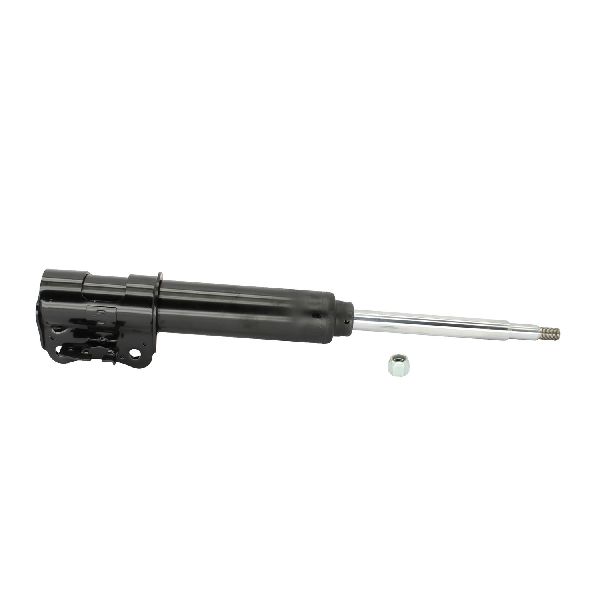
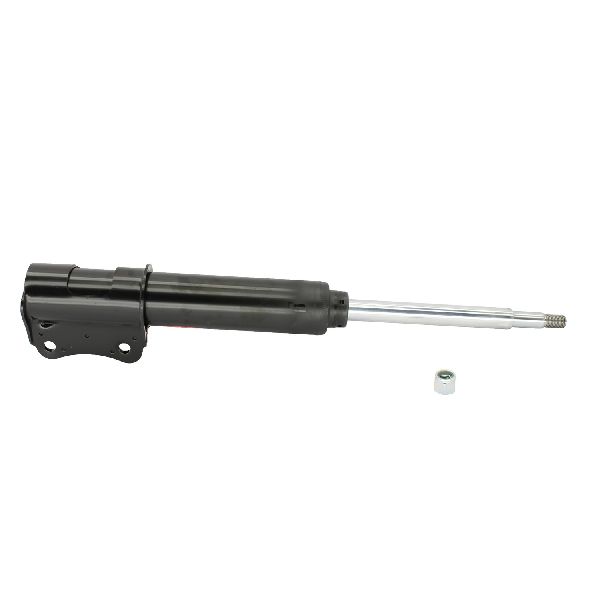
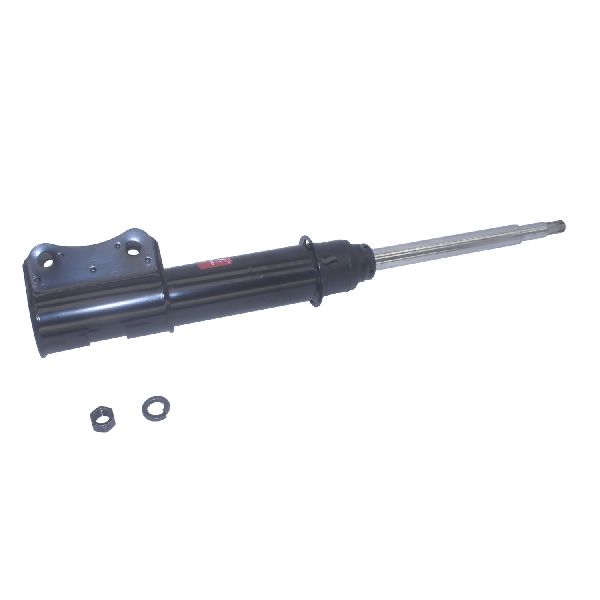
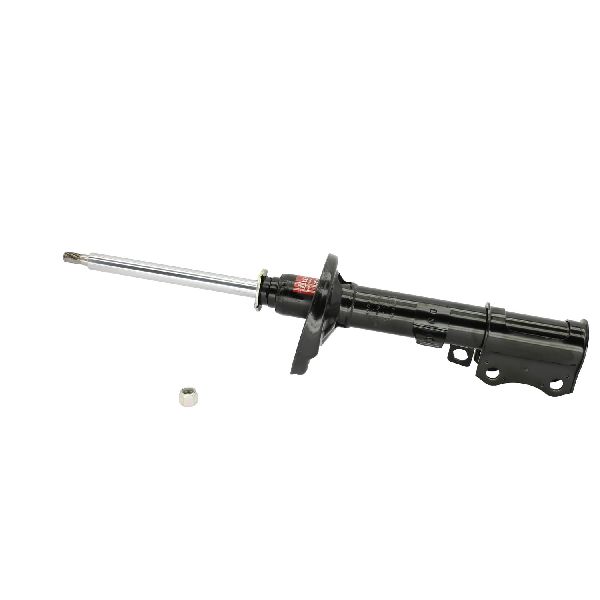
A "bare" or "unloaded" strut is just the shock absorber portion. To install it, you must remove your old strut, use a special tool called a spring compressor to remove the coil spring and top mount, and then assemble those parts onto the new strut. A "complete" or "loaded" strut assembly comes with a new strut, spring, and mount already assembled. It is much safer and faster to install.
Technical Specifications
The Suzuki Sidekick (1989-1998) uses a MacPherson strut assembly for the front suspension. It is a structural component combining a coil spring and shock absorber. The rear suspension utilizes a separate, non-structural shock absorber and coil spring.
We Have This Part in Stock


The information in this article is provided for general reference and educational purposes only. Vehicle specifications, procedures, and part compatibility can vary by production date, trim level, and region. Always consult your vehicle's factory service manual and verify part numbers before purchasing or performing repairs. Safety-critical components such as airbags, seat belts, and braking systems should be installed by a qualified professional.
- Suzuki Sidekick: