

Chevrolet Tracker Engine Coolant Temperature Sensor Guide (1989-1999)
Fixing poor performance in your Tracker might be as simple as replacing this small, but critical, sensor.
- Your Tracker likely has two coolant sensors: a two-wire sensor for the computer (ECT) and a one-wire sender for the gauge. Identify the correct one before buying.
- Symptoms like poor MPG, black smoke, and rough idle are common signs of a failing ECT sensor.
- Replacement is an easy DIY task, but be prepared to quickly swap the new sensor in to minimize coolant loss.
- For reliability, choose a premium aftermarket brand like ACDelco, Delphi, NGK/NTK, or Standard Ignition.
Is Your Tracker's Coolant Sensor Failing?
A bad Engine Coolant Temperature (ECT) sensor can cause a surprising number of problems that might not seem related to engine temperature at first. Because the computer relies on this sensor for so many calculations, a false reading can throw everything off. Your truck might run too rich, thinking it's colder than it is, or have trouble starting. Recognizing the signs early can save you from poor fuel economy and potential engine damage.
Key Symptoms of a Bad ECT Sensor
- Check Engine Light: Often, the first sign is a Check Engine Light. Common codes include P0115, P0117, and P0118.
- Poor Fuel Economy: If the sensor incorrectly tells the computer the engine is cold, the computer will enrich the fuel mixture, causing you to use more gas.
- Black Smoke from Exhaust: A very rich fuel mixture can result in unburnt fuel exiting through the exhaust, appearing as black smoke.
- Rough Idle or Stalling: The wrong fuel mixture and ignition timing can make your Tracker's engine run rough, shake, or even stall at low speeds.
- Engine Overheating: The ECT sensor often controls the electric cooling fans. If the sensor fails, the fans may not turn on when needed, leading to overheating.
- Hard Starting: Whether the engine is hot or cold, a bad sensor can make it difficult to start because the computer is using the wrong fuel and timing settings.
Choosing the Right Aftermarket Sensor
When replacing the ECT sensor on your 1989-1999 Tracker, you have many aftermarket options. Not all brands are created equal. For a critical sensor like this, quality and accuracy are important for engine performance and longevity. Here’s how the available brands generally stack up.
OEM vs. Aftermarket Quality
For a vehicle like the 1989-1999 Tracker, many high-quality aftermarket brands meet or exceed the original specifications. ACDelco is GM's official parts brand, and Delphi was a major GM parts manufacturer, making them excellent choices for an OEM-like fit and performance. Brands like NGK (under the NTK brand) and Standard Ignition (SMP) are also highly respected in the industry for producing reliable sensors. While budget brands can be tempting, their sensors may be less accurate or fail sooner, causing the same problems to return.
| Brand Tier | Brands | Typical Price Range | Notes |
|---|---|---|---|
| Premium / OEM-Equivalent | ACDelco, Delphi, NGK/NTK, Standard Ignition (SMP) | $25 - $60 | These brands are often original equipment suppliers or have a strong reputation for quality, accuracy, and durability. Recommended for best performance and peace of mind. |
| Quality Aftermarket | Hella, Facet, Walker Products, Vemo | $15 - $35 | Solid mid-tier options that offer a good balance of price and quality. A reliable choice for most repairs. |
| Budget-Friendly | Four Seasons, Global Parts, True Tech, URO Parts | $10 - $25 | These are more budget-focused. They can be a solution if cost is the primary concern, but long-term reliability and accuracy might not match premium brands. |
Frequently Asked Questions (FAQ)
Where is the ECT sensor located on a 1989-1999 Chevrolet Tracker?
The location can vary slightly by year and engine. Generally, you will find the ECT sensor for the computer (two-wire) and the sender for the gauge (one-wire) on the intake manifold, near the thermostat housing. On many models, they are screwed into the front of the intake manifold. Following the upper radiator hose to where it connects to the engine is a good way to find the thermostat housing area.
What's the difference between the ECT Sensor and the Temp Sender?
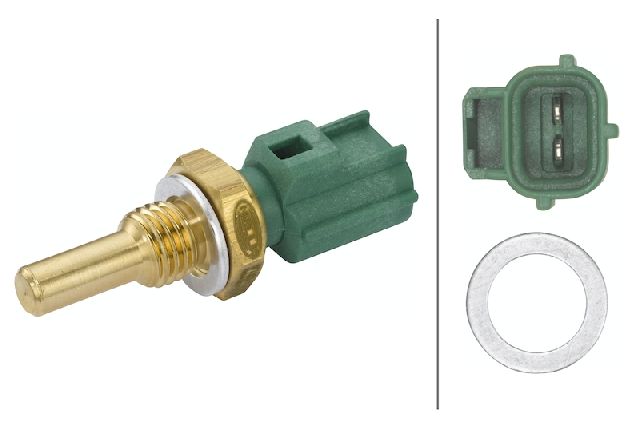
This is a very common point of confusion. Your Tracker likely has two separate devices. The Engine Coolant Temperature (ECT) Sensor has two or three wires and sends information to the engine computer (PCM/ECM). The Engine Coolant Temperature Sender (or sending unit) has a single wire and sends a signal only to the temperature gauge on your dashboard. If you are experiencing performance issues, you need to replace the two-wire ECT sensor. If your gauge is not working, you need to replace the one-wire sender.
Do I need to drain the coolant to replace the sensor?
You don't need to drain the entire system, but some coolant will leak out when you unscrew the old sensor. To minimize coolant loss, make sure the engine is completely cool and have the new sensor ready to install immediately. Work quickly: unscrew the old one and immediately screw in the new one by hand to plug the hole. After installation, you will need to top off the coolant level.
Is this a difficult part to replace myself?
No, this is generally considered an easy DIY job. As long as you can locate the sensor, the replacement involves unplugging the electrical connector, unscrewing the old sensor with a deep socket or wrench, and installing the new one. The most important steps are ensuring the engine is cool and being prepared for a small amount of coolant spillage.
Are there any recalls or TSBs for the Tracker's ECT sensor?
Searches of the National Highway Traffic Safety Administration (NHTSA) database and other technical resources did not reveal any specific recalls or widespread Technical Service Bulletins (TSBs) for the engine coolant temperature sensor on the 1989-1999 Chevrolet Tracker. Issues are typically due to normal age and wear of the part.
Technical Specifications
OEM Part Numbers: 96067371 88924783 96056758 24109688
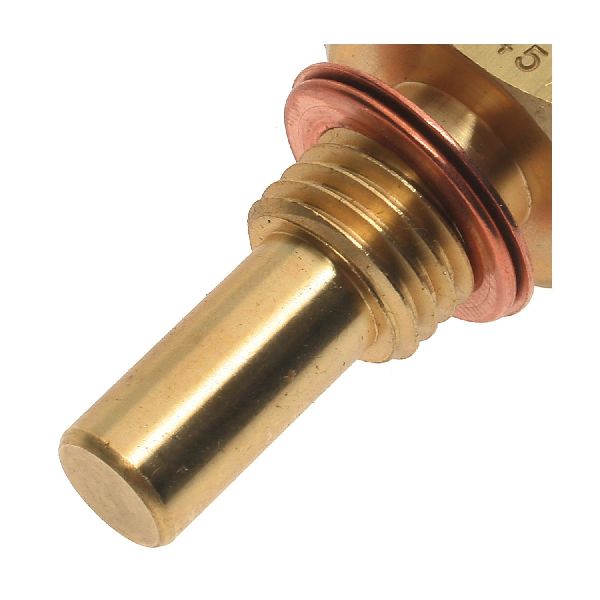
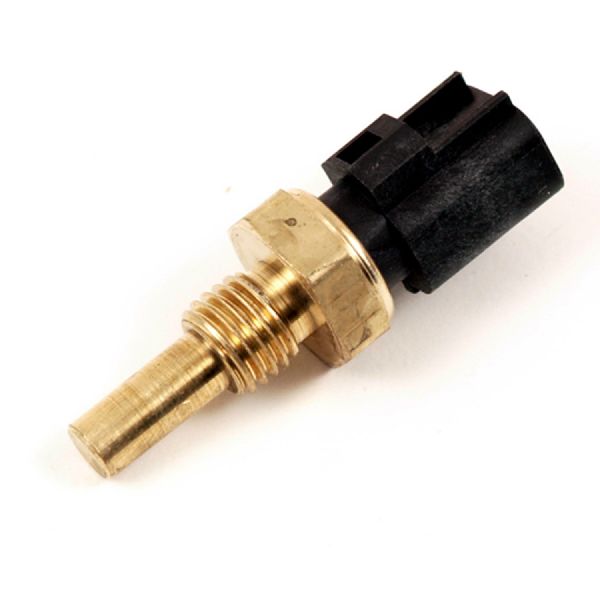
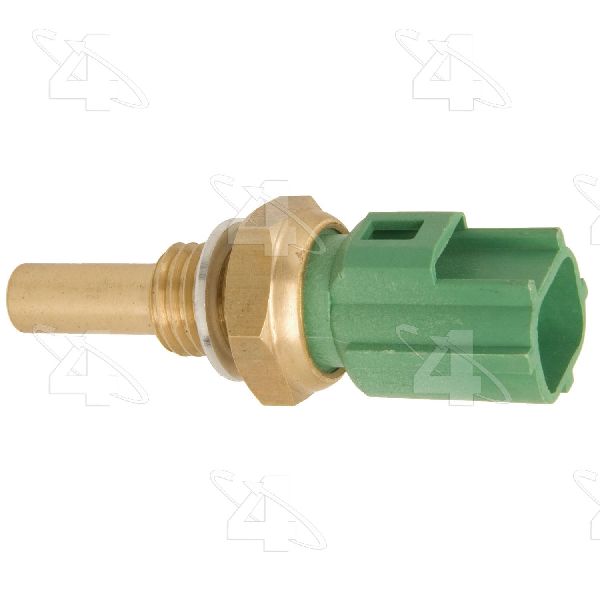
The Engine Coolant Temperature Sensor for the Chevrolet Tracker is a thermistor, meaning its electrical resistance changes with temperature. It typically has two terminals for the computer-controlled sensor and one terminal for the gauge sender. The sensor body is usually made of brass for effective heat transfer.
We Have This Part in Stock


The information in this article is provided for general reference and educational purposes only. Vehicle specifications, procedures, and part compatibility can vary by production date, trim level, and region. Always consult your vehicle's factory service manual and verify part numbers before purchasing or performing repairs. Safety-critical components such as airbags, seat belts, and braking systems should be installed by a qualified professional.
- Chevrolet Tracker: