

Mazda MPV 1989-1999 Oxygen Sensor: A Comprehensive Guide
Fix that Check Engine light and restore your MPV's fuel economy by choosing the right oxygen sensor.
- For best results, choose an OEM-equivalent brand like Denso or NGK/NTK, especially for upstream sensors.
- Be prepared for the old sensor to be seized in the exhaust pipe; follow Mazda's TSB procedure for removal.
- Models from 1996-1999 are OBD-II and have more sensors; confirm your vehicle's exact specifications before ordering.
- Always use a special slotted oxygen sensor socket to avoid damaging the wires during installation or removal.
Is Your MPV's Oxygen Sensor Failing?
An oxygen sensor doesn't last forever. Contaminants from fuel, oil, and engine wear slowly degrade its ability to read oxygen levels accurately. When it fails, your MPV's engine computer gets bad information, leading to poor performance and increased fuel consumption. Ignoring a bad O2 sensor can eventually lead to expensive damage to your catalytic converter.
Common Symptoms of a Bad O2 Sensor:
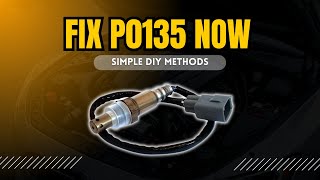
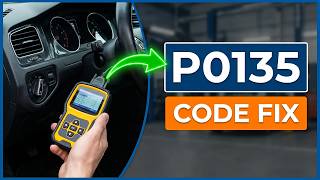
- Check Engine Light: This is the most common sign. For 1996 and newer models, codes like P0135 (Heater Circuit Malfunction) are common. 🎬 Learn how to diagnose and fix a P0135 error code.
- Poor Fuel Economy: The engine computer may default to a rich fuel mixture, causing you to use more gas.
- Rough Idle or Engine Misfire: An incorrect air-fuel ratio can cause the engine to run poorly, shake, or misfire.
- Failed Emissions Test: A bad sensor can lead to high levels of pollutants in your exhaust.
- Rotten Egg Smell: In some cases, a very rich condition can overwhelm the catalytic converter, producing a sulfur-like smell.
A Common Problem: Seized Sensors
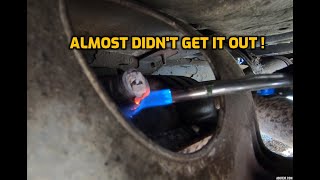
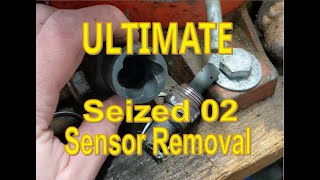
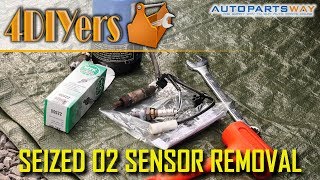
One of the biggest challenges when replacing an O2 sensor on an older vehicle like the 1989-1999 MPV is the sensor being seized or rusted into the exhaust pipe. This is so common that Mazda issued a Technical Service Bulletin (TSB 01-003/15) with a specific removal procedure. The process involves using a penetrating lubricant like CRC Freeze-Off, allowing it to soak, and then carefully working the sensor back and forth to break it free. Be prepared for this possibility, as forcing a seized sensor can damage the threads in the exhaust manifold, creating a much bigger repair job.
🎬 See how to remove a stubborn, seized oxygen sensor safely.Choosing the Right Aftermarket Oxygen Sensor
Not all aftermarket sensors are created equal. For a critical component like an oxygen sensor, brand quality matters. Using a low-quality sensor can result in continued performance issues or a Check Engine light that won't go away.
Tier 1: OEM-Equivalent Brands (Recommended)
Brands: Denso, NGK (also known as NTK)
These brands are often the original equipment manufacturers (OEM) for Mazda and other Japanese vehicles. Choosing a Denso or NGK/NTK sensor is the safest bet for a direct-fit replacement that will perform exactly like the original. Forum users and mechanics strongly recommend these brands to avoid compatibility problems, especially for the critical upstream sensor on 1996+ models.
Tier 2: Quality Aftermarket Brands
Brands: Bosch, Delphi, Walker Products
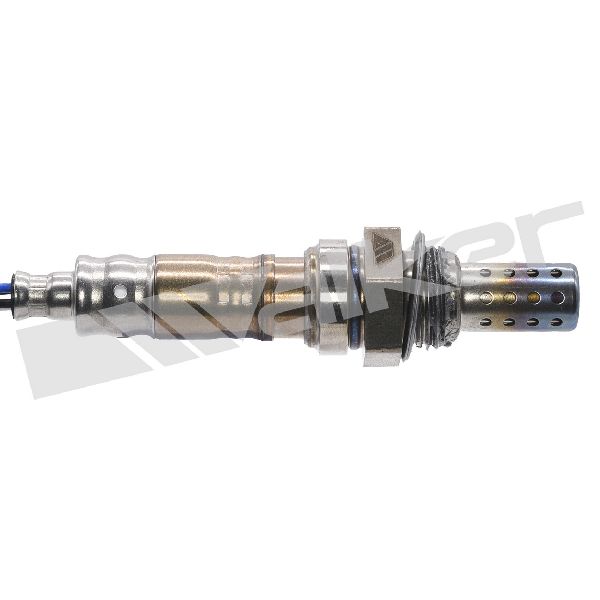
Bosch is a highly respected brand that produces quality sensors. However, some owners of Japanese vehicles report subtle differences in performance, such as different warm-up times, which can confuse the engine computer if you mix brands (e.g., one Denso and one Bosch). If you choose one of these brands, it's a good practice to replace both upstream sensors (on V6 models) at the same time with the same brand. Delphi and Walker are also established aftermarket manufacturers offering reliable products.
Tier 3: Budget Brands
Brands: DriveWire, various store-exclusive brands
These sensors are the most affordable and can get your vehicle back on the road. However, they may not have the same longevity or precision as the higher-tier brands. They can be a good option for a downstream sensor, which is less critical to engine management, or if you're on a tight budget. Just be aware that you might be replacing it again sooner.
| Part | Price Range |
|---|---|
| New Aftermarket Oxygen Sensor | $25.01 - $203.67 |
| Estimated Shop Labor | $95 - $190 |
Pro Tip: Direct-Fit vs. Universal Sensors
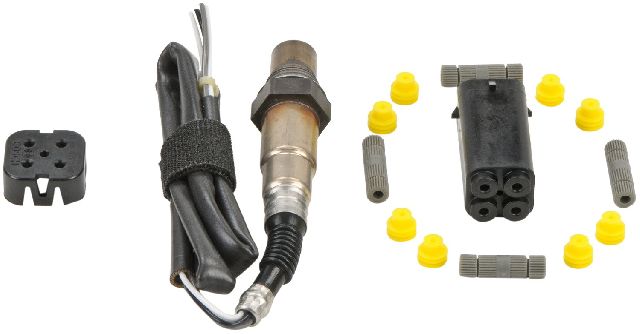
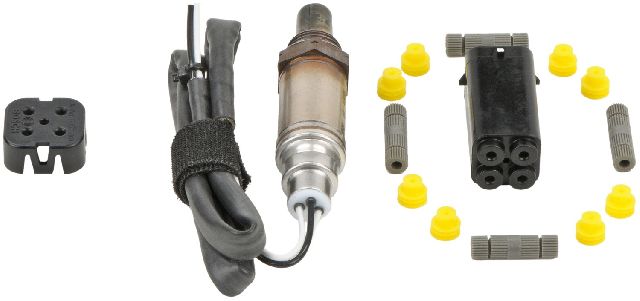
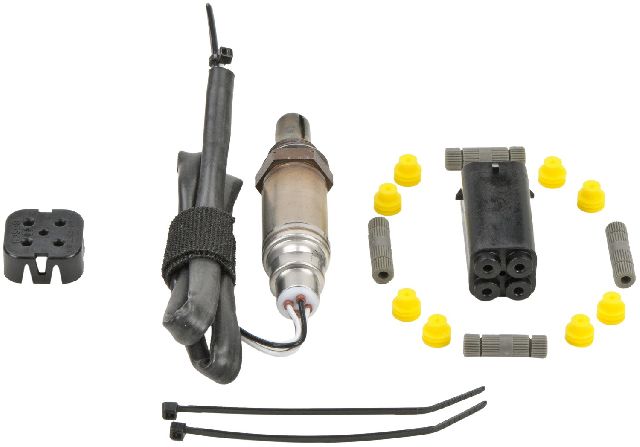
You will see both "direct-fit" and "universal" sensors available. A direct-fit sensor comes with the correct plug for your MPV and is ready to install. A universal sensor is cheaper but requires you to cut the old plug off your original sensor and splice it onto the new one. Unless you are experienced with wiring and have the right tools, it is strongly recommended to spend a little extra for a direct-fit sensor to avoid connection problems.
Frequently Asked Questions
How many oxygen sensors does my 1989-1999 MPV have?
It depends on the year. Models from 1989-1995 (OBD-I) typically have one or two sensors. Models from 1996-1999 (OBD-II) with the V6 engine have four sensors: two upstream (one for each cylinder bank) and two downstream.
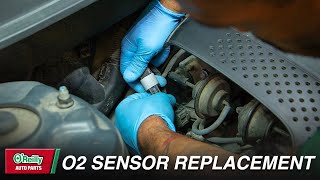
🎬 Watch: Locate the upstream oxygen sensors on your Mazda MPV.What's the difference between an upstream and a downstream sensor?
On 1996+ models, the upstream sensor (also called Bank 1 Sensor 1 or Bank 2 Sensor 1) is located before the catalytic converter and is critical for managing the engine's air-fuel mixture. The downstream sensor is after the catalytic converter and its main job is to make sure the converter is working correctly. The upstream sensor does most of the work and is more sensitive to quality.
Do I need a special tool to replace an O2 sensor?
Yes, it is highly recommended. You will need a special oxygen sensor socket, which has a slot cut down the side to accommodate the sensor's wire. Using a standard socket will likely damage the wire. You may also need a penetrating lubricant and a good ratchet, especially if the old sensor is seized.
The part number for my RWD MPV is different from the 4WD model. Does it matter?
Yes, it absolutely matters. Different drivetrain layouts can mean different exhaust pipe routing and sensor locations. Always use your vehicle's specific information (year, engine, drivetrain) to select the correct part. Part listings often specify fitment for RWD or 4WD models.
Helpful Videos

Technical Specifications
OEM Part Numbers: JE97-18-861A-9U
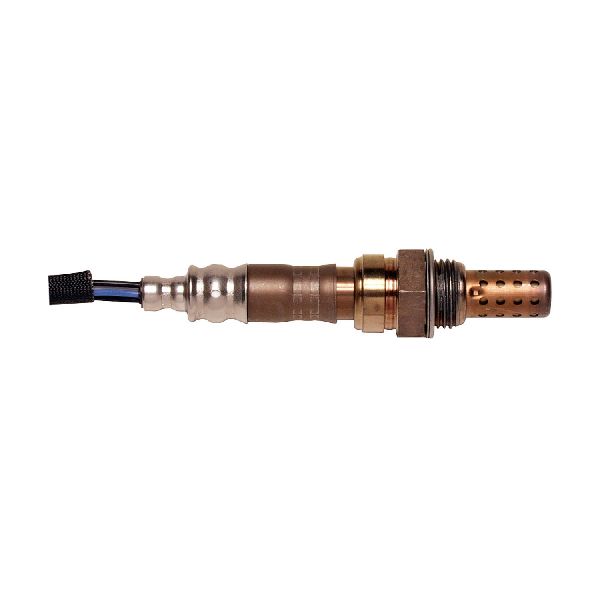
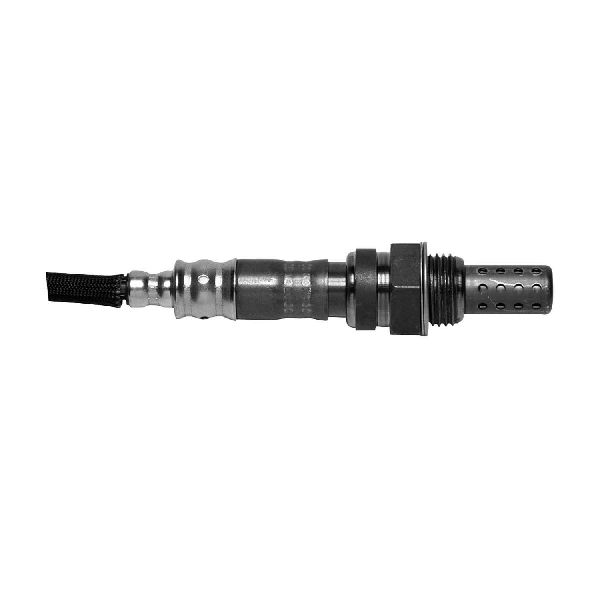
Fitment varies significantly between OBD-I (1989-1995) and OBD-II (1996-1999) models, as well as by drivetrain (RWD vs 4WD). OBD-II models use heated 4-wire sensors. Always verify the part for your specific vehicle configuration.
We Have This Part in Stock

The information in this article is provided for general reference and educational purposes only. Vehicle specifications, procedures, and part compatibility can vary by production date, trim level, and region. Always consult your vehicle's factory service manual and verify part numbers before purchasing or performing repairs. Safety-critical components such as airbags, seat belts, and braking systems should be installed by a qualified professional.
- Mazda MPV:
- 🎬 Helpful Videos
- 🛍️ Shop This Part
- Is Your MPV's Oxygen Sensor Failing?
- Common Symptoms of a Bad O2 Sensor:
- A Common Problem: Seized Sensors
- Choosing the Right Aftermarket Oxygen Sensor
- Tier 1: OEM-Equivalent Brands (Recommended)
- Tier 2: Quality Aftermarket Brands
- Tier 3: Budget Brands
- Pro Tip: Direct-Fit vs. Universal Sensors
- Frequently Asked Questions
- 🎟️ Get 5% Off