

A Guide to Spark Plugs for the 1989-1999 Mazda MPV
Keep your first-generation MPV running reliably by choosing the right spark plugs for your engine.
- For the 3.0L V6 engine, replacing the three rear spark plugs is a very difficult job; consider using long-life iridium plugs or hiring a professional.
- NGK and Denso are the most recommended brands for reliability and are likely the original equipment suppliers for your MPV.
- Always verify the spark plug gap with a tool before installation, even if the plugs are advertised as 'pre-gapped'.
- Common signs of failure include a rough idle, engine misfires, poor gas mileage, and difficulty starting the engine.
Signs of Failing Spark Plugs
Worn-out spark plugs can cause several noticeable problems in your MPV. If you experience any of these symptoms, it might be time for a replacement.
- Rough Idling: The engine may shake or sound uneven when the vehicle is stopped.
- Trouble Starting: The engine may take longer than usual to start, or it might not start at all.
- Engine Misfires: You might feel a hesitation or stumble from the engine while driving, especially under load like going up a hill. This can also trigger the Check Engine Light.
- Poor Fuel Economy: If you notice you're filling up your gas tank more often, failing spark plugs could be the cause, as they lead to an incomplete burn of fuel.
- Reduced Power: Your MPV may feel sluggish and slow to accelerate.
A Note on V6 Models
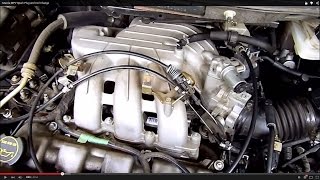
The first-generation Mazda MPV was available with a 4-cylinder or a 3.0L V6 engine. On the V6 models, replacing the three spark plugs at the back of the engine (near the firewall) is known to be very difficult due to tight access. While the front three are straightforward, the rear three often require removing other parts like the intake manifold on later models, or working blindly with special tools on earlier ones. Many owners choose to have a professional mechanic handle this job.
🎬 Watch a step-by-step guide on replacing MPV spark plugs and coils.Choosing the Right Aftermarket Spark Plugs
When shopping for new spark plugs, you don't need to buy them from a Mazda dealer to get good quality. The original plugs were likely made by NGK or Denso, and these brands are widely available in the aftermarket. Here’s a breakdown of your options:
Brand Quality Tiers
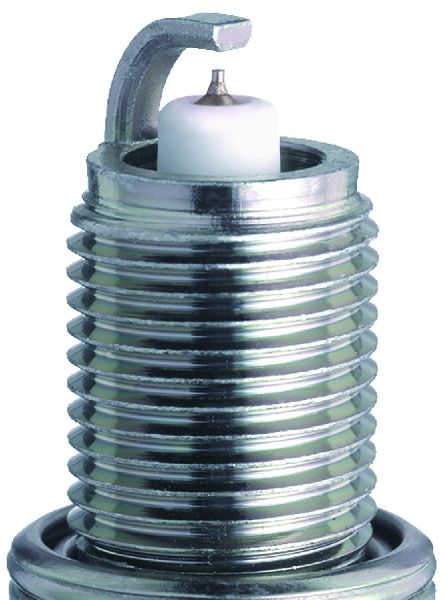
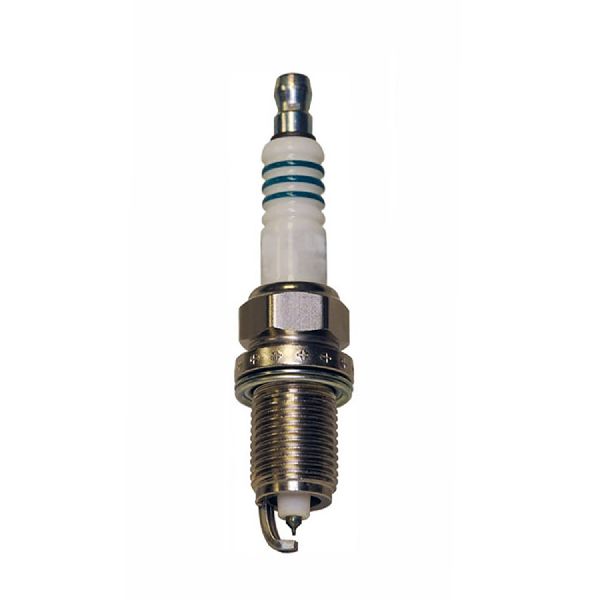
- Top Tier (OEM Equivalent): NGK and Denso are the most recommended brands for Japanese vehicles like your MPV. They are known for their reliability and are often the original equipment manufacturer. Choosing their standard copper, platinum, or iridium plugs is a safe bet for factory performance.
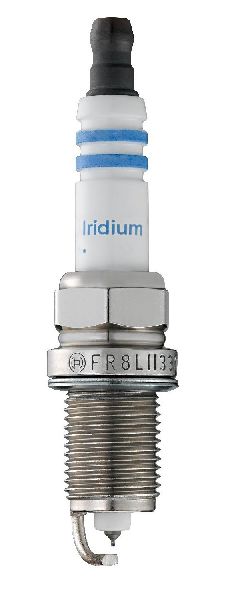
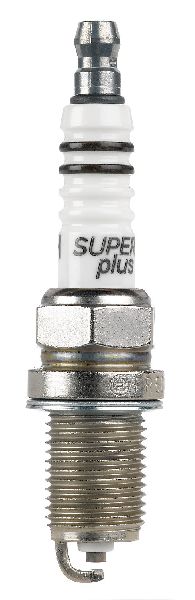
- Reliable Aftermarket: Brands like Bosch and Autolite offer quality spark plugs that are a good alternative to OEM. They provide reliable performance and are available in different materials like platinum and iridium for longer life.
- Budget-Friendly: Champion is a well-known brand that offers basic, affordable copper plugs that will get the job done. They are a functional choice if you are on a tight budget.
- Performance-Oriented: Brands like Accel and MSD are geared more towards high-performance and racing applications. While they are quality products, they are generally not necessary for a stock Mazda MPV.
Copper, Platinum, or Iridium?
Your MPV originally came with standard copper or nickel plugs. These work great but need to be changed more often (typically every 30,000 miles). Platinum and Iridium plugs cost more but last much longer (60,000 to 100,000 miles). For the difficult-to-access rear plugs on the V6, using long-life Iridium plugs is a smart investment to reduce how often you need to change them.
🎬 See how to access and replace spark plugs on this engine.Estimated Cost of Spark Plugs (1989-1999 Mazda MPV)
| Part Type | Estimated Cost (Per Plug) |
|---|---|
| New Aftermarket (Copper/Nickel) | $3 - $6 |
| New Aftermarket (Platinum/Iridium) | $7 - $23 |
| Shop Labor (4-Cylinder) | $75 - $150 |
| Shop Labor (V6 Engine) | $200 - $450+ |
Note: Labor costs can vary significantly based on your location and the specific engine in your MPV. The V6 engine's rear plugs require much more labor.
Frequently Asked Questions
How often should I change the spark plugs on my Mazda MPV?
For standard copper plugs, a good interval is every 30,000 miles. If you upgrade to platinum or iridium plugs, you can extend that to 60,000-100,000 miles. Given the age of the vehicle, it's a good idea to inspect them regularly.
What is a spark plug gap and why is it important?
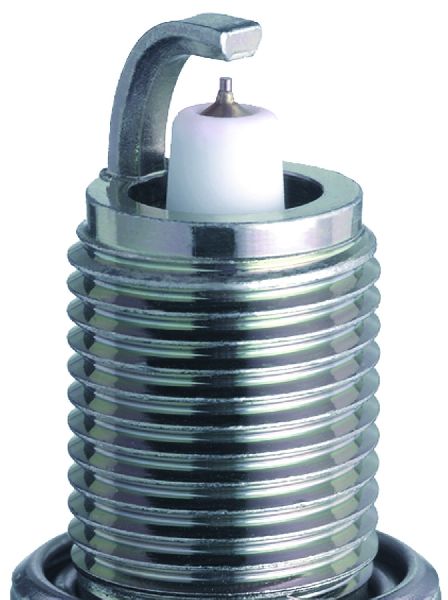
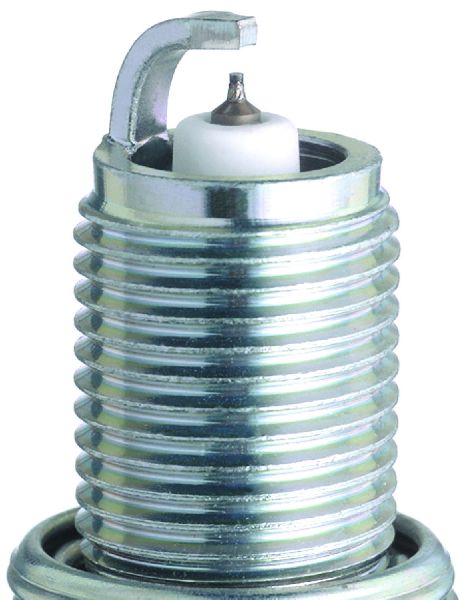
The "gap" is the small space between the center and ground electrodes at the tip of the plug. The spark has to jump this gap. The distance must be set to a specific size for your MPV's engine to run correctly. While many plugs come pre-gapped, it's crucial to check and adjust it with a gap tool before installation. An incorrect gap can cause misfires and poor performance. The gap for a 3.0L V6 is often around 0.044 inches.
Are there any recalls for spark plugs on the 1989-1999 MPV?
No, there have been no specific recalls issued by the NHTSA for spark plugs on the first-generation Mazda MPV. Recalls for this vehicle have focused on other issues like airbags.
Should I use anti-seize on the new spark plug threads?
This is a topic of debate. Some mechanics recommend a small amount of anti-seize on the threads to prevent them from getting stuck in the engine's aluminum head. However, major brands like NGK often advise against it because their plugs have a special plating that prevents seizing, and using anti-seize can cause you to over-tighten the plug, potentially damaging it or the engine. 🎬 Video tutorial: How to properly install new spark plugs and coils. If you do use it, use it very sparingly and reduce the tightening torque by about 10-15%.
Helpful Videos
Technical Specifications
OEM Part Numbers: GY01-18-110
Engine compatibility: 2.6L 4-Cylinder or 3.0L V6. Plug material options include copper/nickel, platinum, and iridium. The spark plug hex size is typically 5/8" (16mm). The gap setting varies by engine and plug type but is often around 0.044 inches for the V6.
We Have This Part in Stock

The information in this article is provided for general reference and educational purposes only. Vehicle specifications, procedures, and part compatibility can vary by production date, trim level, and region. Always consult your vehicle's factory service manual and verify part numbers before purchasing or performing repairs. Safety-critical components such as airbags, seat belts, and braking systems should be installed by a qualified professional.
- Mazda MPV: