

Throttle Position Sensor Guide for the 1989-1999 Mazda MPV
Solve erratic idling and poor acceleration issues by understanding how to choose the right throttle position sensor for your first-generation MPV.
- Symptoms like high idle when hot can point directly to a failing TPS, even without a check engine light.
- For the 3.0L V6 engine, a Motorcraft-branded TPS is a high-quality, direct-fit alternative to the expensive Mazda throttle body assembly.
- Replacement is a simple DIY job that most owners can complete in under 30 minutes with basic tools.
- No recalls exist for the TPS, but be aware that a dirty throttle body can cause very similar symptoms.
Is a Bad Throttle Position Sensor Causing Your MPV's Problems?
The throttle position sensor (TPS) is a key sensor for your van's engine computer. When it starts to fail, it sends incorrect information, leading to a host of drivability issues that can be confusing to diagnose. Symptoms often start subtly and worsen over time. An owner of a 2000 model reported a high idle only when the engine was hot, which was temporarily fixed by tapping on the sensor, indicating an internal fault. Another owner of a 1990 MPV experienced a sudden loss of power while driving on the freeway.
Common Symptoms of a Failing TPS on a 1989-1999 MPV:
- Erratic or High Idle: The engine may idle much higher than normal, sometimes over 1500 RPM, especially when warm.
- Hesitation or Stumbling on Acceleration: When you press the gas, the van may hesitate, bog down, or stumble before picking up speed.
- Sudden Stalling: The engine might stall unexpectedly, either while driving or when coming to a stop.
- Poor Fuel Economy: Incorrect sensor readings can cause the engine to run rich, wasting fuel.
- Automatic Transmission Issues: You might experience delayed or harsh gear shifts.
- Check Engine Light: A failing TPS will often, but not always, trigger the Check Engine Light.
Choosing the Right Aftermarket TPS for Your MPV
For a vehicle of this age, finding an original Mazda TPS can be difficult and expensive. Mazda often sold the sensor only as part of the complete throttle body assembly. Aftermarket sensors are a practical and affordable solution. However, quality varies between brands.
Aftermarket Brand Tiers
- Premium Brands (NGK, Standard Ignition): NGK (under their NTK sensor line) and Standard Motor Products (SMP) are well-regarded in the industry for producing reliable sensors that meet or exceed OEM specifications. These brands are a solid choice for longevity and performance.
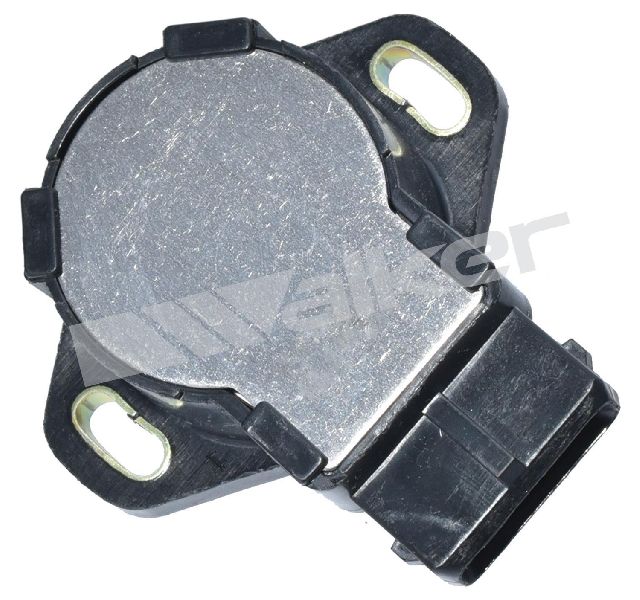
- Standard Tier (Walker Products): Walker is a known aftermarket manufacturer specializing in fuel and emission components. Their parts are generally considered a reliable mid-range option.
- Economy Tier (Replacement): "Replacement" branded parts are typically house brands that offer the lowest price. While functional, they may not have the same durability or precise calibration as premium brands, potentially leading to a shorter service life.
Cost of Replacing the Mazda MPV Throttle Position Sensor
| Part Type | Estimated Cost |
|---|---|
| New OEM | $300+ (Often requires buying the entire throttle body assembly) |
| New Aftermarket | $153.98 - $219.60 |
| Shop Labor | $75 - $110 |
Frequently Asked Questions
Can I replace the TPS myself?
Yes, this is a very DIY-friendly job. The TPS is located on the side of the throttle body and is typically held on by two screws with a single electrical connector. Basic hand tools are all that's required, and the job can usually be done in under 30 minutes.
Is the TPS the same for the 4-cylinder and V6 engines?
No. The 2.6L 4-cylinder and 3.0L V6 engines use different throttle position sensors. It is critical to order the correct part for your specific engine to ensure proper fit and function.
Are there any recalls for the MPV throttle position sensor?
No, there have been no safety recalls issued by the NHTSA for the throttle position sensor on the 1989-1999 Mazda MPV. Recalls for this vehicle primarily concern airbags. A recall on 2000-2001 models involved a cruise control cable that could interfere with the accelerator, but this is unrelated to the TPS itself.
Do I need to adjust the new sensor?
Most modern aftermarket sensors are designed to match OE specifications and do not require adjustment. However, on these older vehicles, some installation procedures involve rotating the sensor slightly to achieve a specific voltage reading at closed throttle. After installation, it's a good practice to disconnect the battery for a few minutes to allow the engine computer to reset and relearn the new sensor's parameters.
Technical Specifications
OEM Part Numbers: G60313SL0 ZZM3-18-851 F5RZ-9B989-BA G603-13-SL0
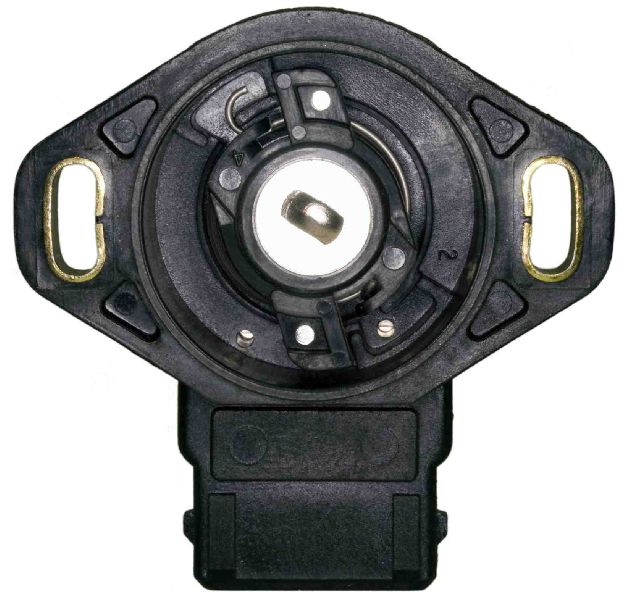
A 3-pin potentiometer sensor mounted to the throttle body. Part numbers differ for the 2.6L 4-cylinder and 3.0L V6 engines. The 3.0L V6 uses a Ford-based component.
We Have This Part in Stock


The information in this article is provided for general reference and educational purposes only. Vehicle specifications, procedures, and part compatibility can vary by production date, trim level, and region. Always consult your vehicle's factory service manual and verify part numbers before purchasing or performing repairs. Safety-critical components such as airbags, seat belts, and braking systems should be installed by a qualified professional.
- Mazda MPV:
- 🛍️ Shop This Part
- Is a Bad Throttle Position Sensor Causing Your MPV's Problems?
- Common Symptoms of a Failing TPS on a 1989-1999 MPV:
- Choosing the Right Aftermarket TPS for Your MPV
- Aftermarket Brand Tiers
- Cost of Replacing the Mazda MPV Throttle Position Sensor
- Frequently Asked Questions
- 🎟️ Get 5% Off