

Oldsmobile Cutlass Starter Replacement Guide for 1989-1999 Models
A no-nonsense guide to diagnosing and replacing the starter in your 1989-1999 Oldsmobile Cutlass.
- Always test your battery and check cable connections before replacing the starter; the symptoms are often identical.
- A single click or rapid clicking are classic signs of a failing starter or a power delivery issue.
- The replacement is a feasible DIY job, but be prepared for tight access to the mounting bolts.
- If your old starter uses shims, you must reinstall them with the new part to ensure correct alignment.
Is Your Cutlass Starter Failing?
A bad starter rarely fails without warning. Before you get stranded, watch for these common symptoms. One of the most frequent complaints is a single, sharp 'click' or a series of rapid clicks when you turn the key. You might also notice the engine cranking over very slowly, as if the battery is about to die. In some cases, you'll hear a whirring sound, which means the starter motor is spinning but not engaging the engine. If you turn the key and get nothing but silence, and your lights still work, the starter is a primary suspect.
First, Check Your Battery
The most common reason a car won't start is a weak or dead battery. Symptoms of a bad battery and a bad starter can be nearly identical, including a clicking sound or a no-crank condition. Before you buy a new starter, make sure your battery is fully charged and the terminals are clean and tight. If a jump-start doesn't get the engine to crank, the starter is the more likely problem.
Known Issues for This Generation
Heat Soak: Some Cutlass owners, particularly those with V6 engines where the exhaust runs close to the starter, may experience 'heat soak'. This happens when the starter gets hot after a long drive, increasing its electrical resistance. The car starts fine when cold, but won't crank when you try to restart it while the engine is hot. Letting it cool down for 15-20 minutes often allows it to start again.
Oil Contamination: On these GM engines, oil leaks from the valve cover gaskets or rear main seal can drip directly onto the starter. This oil saturation can damage the starter's internal components and lead to premature failure. When replacing the starter, it's a good idea to check for and repair any active oil leaks above it.
Choosing the Right Aftermarket Starter
For a vehicle from this era, a new aftermarket starter offers an excellent blend of value and reliability. While remanufactured starters are available, their quality can vary depending on the rebuilder. A new part ensures all components, from the motor windings to the solenoid, are fresh from the factory.
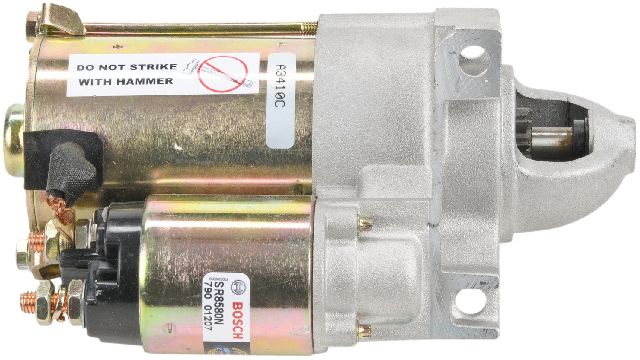
- Premium Aftermarket (e.g., Bosch): Brands like Bosch have a strong reputation for quality and engineering that often meets or exceeds original specifications. These are a great choice for owners who prioritize longevity and are willing to pay a bit more for peace of mind.
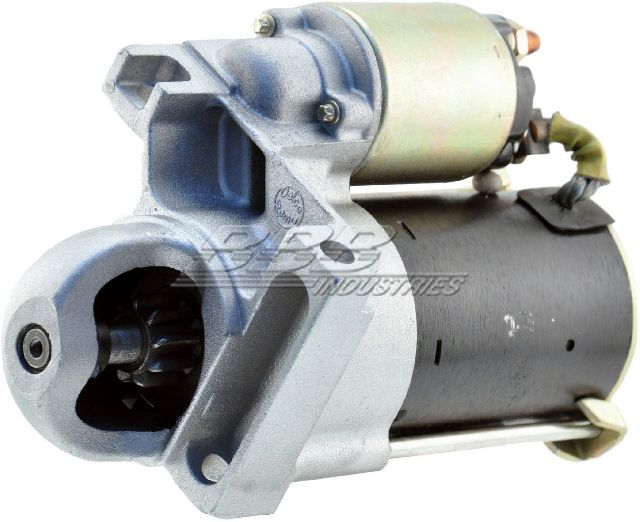
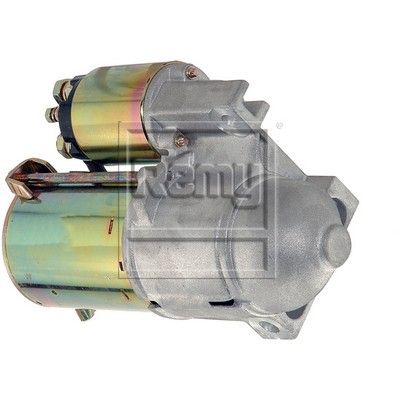
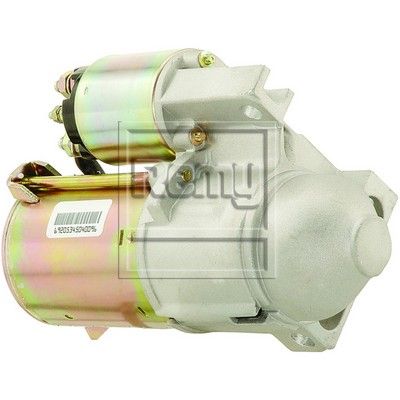
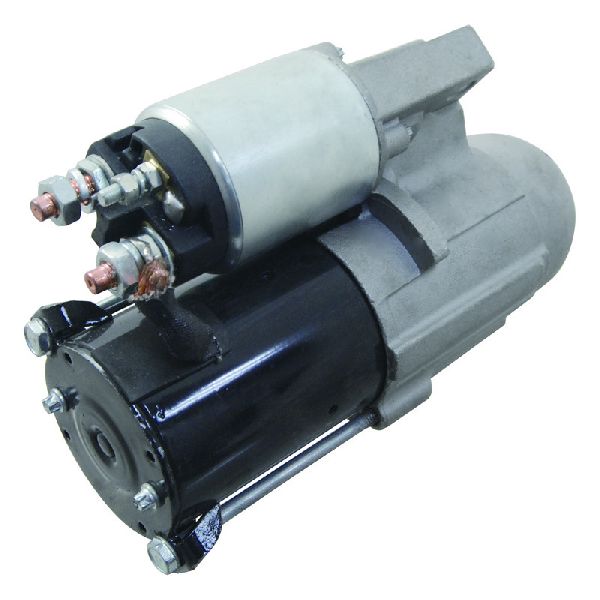
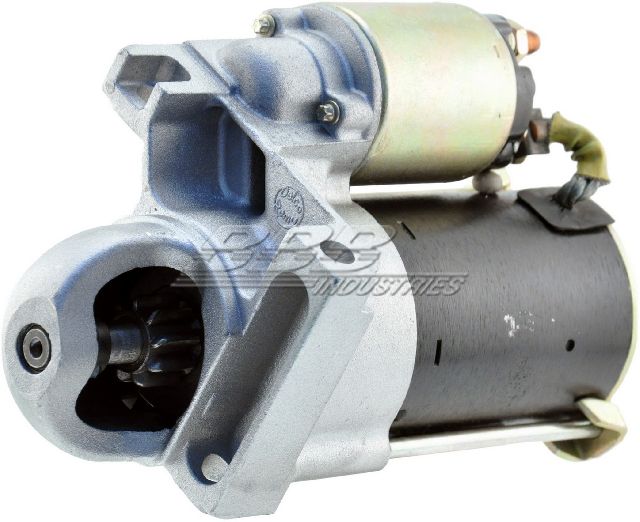
- Standard Aftermarket (e.g., BBB Industries, Remy, WAI Global): These brands are popular, widely available, and offer a reliable, cost-effective solution for daily driving. They provide a dependable part that gets your Cutlass back on the road without the higher cost of a premium or OEM part.
| Part Type | Estimated Cost |
|---|---|
| New Aftermarket Starter | $105 - $256 |
| Shop Labor | $120 - $240 |
| Total Estimated Cost | $225 - $496 |
A Note on Starter Shims
Some GM vehicles from this period require thin metal shims between the starter and the engine block to ensure proper gear alignment. If you find shims when you remove your old starter, you MUST save them and install them with the new one in the exact same configuration. Not all starters come with new shims.
Frequently Asked Questions (FAQ)
Can I replace the Cutlass starter myself?
Yes, this is a manageable DIY job for someone with basic mechanical skills and tools. You will need to safely lift and support the front of the vehicle. The main challenge is accessing the two mounting bolts, as one can be difficult to reach without a long socket extension and a swivel joint. The job typically takes 1 to 1.5 hours.
What are the signs of starter heat soak?
The classic sign is a car that starts perfectly when the engine is cold but refuses to crank after it has been driven and is fully warmed up. You may hear a single click or nothing at all. After the car sits and cools down for 20-30 minutes, it will likely start normally again.
What does a rapid clicking sound mean?
A rapid 'click-click-click' noise usually means the starter solenoid is trying to engage but isn't receiving enough power to turn the engine. This is most often caused by a weak or dying battery, but it can also be caused by corroded battery cables or a failing starter motor that is drawing too much current.
My lights work, but the car won't start. Is it the starter?
It's very likely. If the headlights, radio, and dashboard lights all come on brightly but the engine won't crank, it means the battery has enough power for accessories but the power isn't successfully getting through the starter to turn the engine. This points to a problem with the starter motor, solenoid, or the main power cable leading to it.
Technical Specifications
OEM Part Numbers: Varies by engine (e.g., 2.5L, 3.1L, 3.3L, 3.4L) and year. Always verify fitment.
Standard 12-volt, direct-drive motor. Some models may require starter shims for proper installation. The starter is typically held on by two bolts and may have a small dust shield or cover.
We Have This Part in Stock

The information in this article is provided for general reference and educational purposes only. Vehicle specifications, procedures, and part compatibility can vary by production date, trim level, and region. Always consult your vehicle's factory service manual and verify part numbers before purchasing or performing repairs. Safety-critical components such as airbags, seat belts, and braking systems should be installed by a qualified professional.
- Oldsmobile Cutlass: