

Choosing the Right Spark Plugs for Your 1989-1999 Porsche 911
Keep your 911's engine running at its peak by understanding which spark plugs you need and why.
- First, confirm your 911's model (964, 993, or 996) to determine if you need 12 plugs (for 1989-98) or 6 plugs (for 1999).
- Stick to trusted OEM-equivalent brands like Bosch, NGK, or Beru for the best reliability and performance.
- For air-cooled 964/993 models, many experts prefer the standard multi-electrode copper plugs over platinum or iridium for the twin-plug system.
- Replacement can be a difficult DIY job due to tight access, especially for the lower plugs on air-cooled engines.
Understanding Your 911's Ignition Needs
Choosing the right spark plugs for your 1989-1999 Porsche 911 is critical for performance and engine health. This decade spans three different 911 generations: the 964, 993, and the first year of the 996. The most important factor is knowing which model you have, as this determines the number and type of spark plugs you need.
Model Year Breakdown
| Model Years | 911 Generation | Engine Type | Total Spark Plugs |
|---|---|---|---|
| 1989-1994 | 964 | Air-Cooled Twin-Plug | 12 |
| 1995-1998 | 993 | Air-Cooled Twin-Plug | 12 |
| 1999 | 996 | Water-Cooled | 6 |
Common Ordering Mistake
The biggest mistake owners make is ordering the wrong number of plugs. Before purchasing, confirm if your car is an air-cooled 964/993 (which requires 12 plugs) or a water-cooled 996 (which requires 6 plugs). A 1999 model year 911 is a 996 and needs only six plugs.
Symptoms of Failing Spark Plugs
Worn or faulty spark plugs can cause a range of noticeable issues. If you experience any of the following, it may be time for a replacement.
🎬 Watch this video to identify common symptoms of bad spark plugs.- Rough Idle: Your engine may shake or vibrate more than usual when stopped.
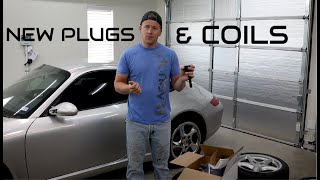
- Engine Misfires: You might feel a hesitation or stumbling from the engine, especially under acceleration. This can trigger a check engine light. 🎬 Learn how to fix a misfire with new plugs and coils.
- Poor Acceleration: The car may feel sluggish and less responsive than normal.
- Reduced Fuel Economy: Inefficient combustion means your engine uses more fuel to produce the same amount of power.
- Difficulty Starting: Weak or inconsistent sparks can make it harder for the engine to turn over.
Choosing the Right Aftermarket Spark Plugs
For these Porsche models, sticking with brands that are known OEM (Original Equipment Manufacturer) suppliers or have a strong reputation in the Porsche community is the safest bet. While many brands are available, quality can vary significantly.
Brand Quality Tiers
- Tier 1: OEM-Equivalent Quality: Bosch, NGK, and Beru are the most recommended brands for the 911. Bosch and Beru were often original equipment. Many owners and specialists have excellent results with all three, noting reliable performance and proper fit. The consensus in many forums is to stick with these brands for street use.
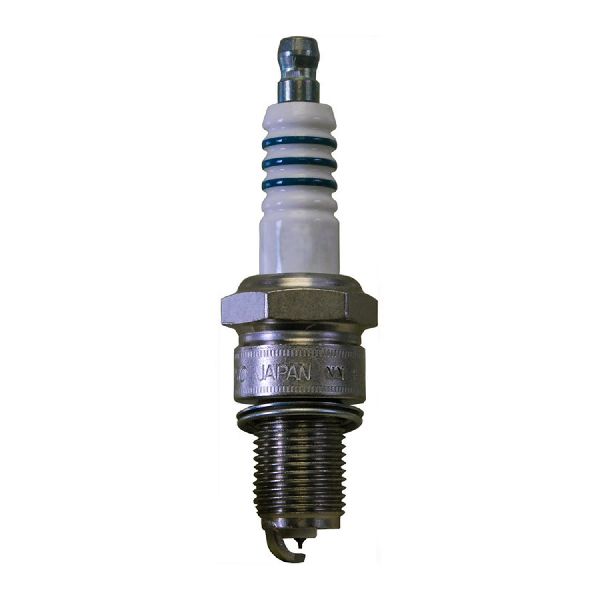
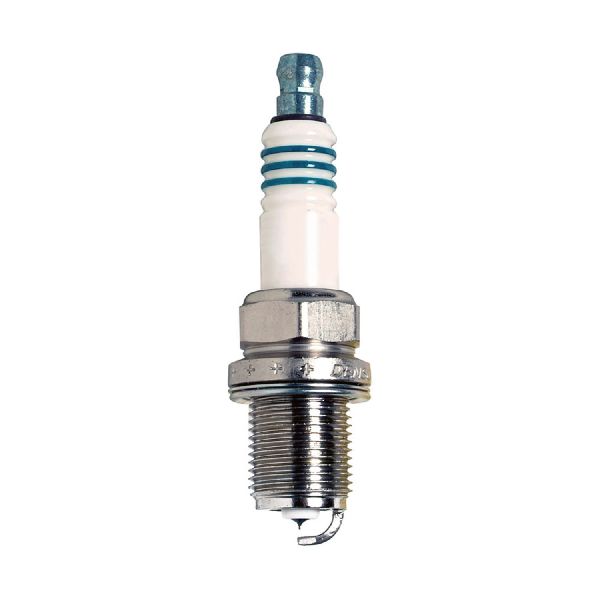
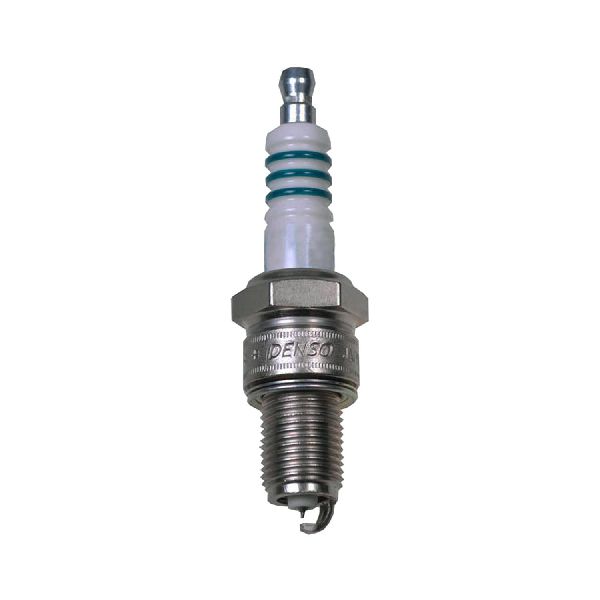
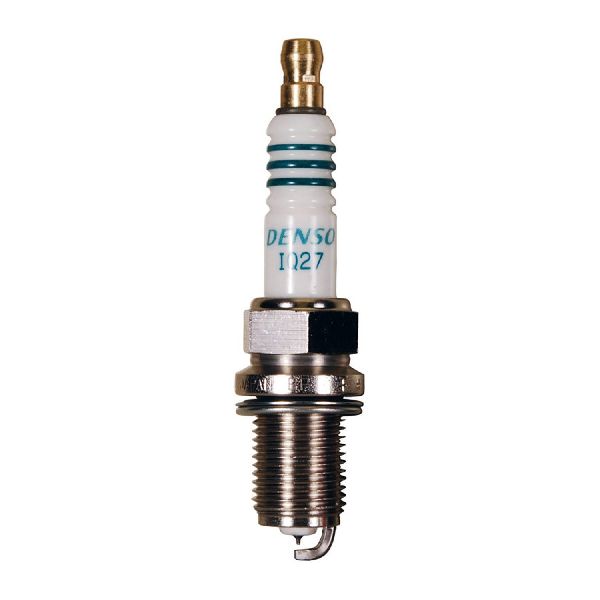
- Tier 2: Reputable Aftermarket: Denso is another high-quality Japanese manufacturer that is well-regarded and offers plugs for the 911. They are a solid choice if a preferred Tier 1 brand is unavailable.
- Tier 3: Use with Caution: Brands like Autolite and Champion are generally not recommended by Porsche specialists for these specific engines. While they may have applications where they perform well, the sensitive ignition systems of the 911 benefit from the precise engineering of OEM-spec plugs.
A Note on Plug Materials
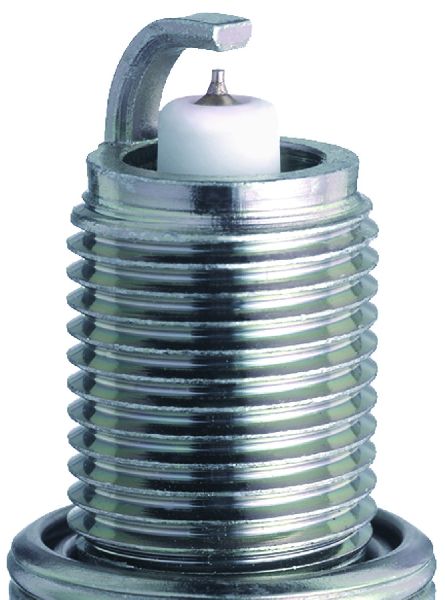
For most street-driven 964 and 993 models, the standard multi-electrode copper plugs from Bosch (like the FR5DTC) are highly recommended by experts for the twin-plug ignition system. While more expensive platinum or iridium plugs are available and can offer a longer service life, some specialists note that the standard copper plugs provide the best performance for these specific engines. For the 996, platinum plugs are a common and reliable choice.
Known Issues, Recalls, and Service Bulletins
No recalls or specific Technical Service Bulletins (TSBs) from NHTSA exist for spark plugs on 1989-1999 Porsche 911s, as they are considered a standard maintenance item. However, Porsche has issued bulletins for newer models regarding damage caused by using incorrect tools during installation, which can crack the ceramic insulator. This highlights the importance of using the proper tools and technique. Additionally, Porsche warns against using anti-seize compound on the threads of modern plugs, as it can lead to over-torquing. Always follow the plug manufacturer's instructions.
Frequently Asked Questions (FAQ)
How often should I change my spark plugs?
For the 1989-1999 models, a general recommendation is to replace spark plugs every 30,000 miles or every 4 years, whichever comes first. Changing them based on time is important because old plugs can seize in the aluminum cylinder heads, making them difficult to remove and potentially causing damage.
How many spark plugs do I need for my 911?
It depends on the year. If you have a 1989-1998 (964 or 993 model), you need 12 spark plugs. If you have a 1999 model (996), you need 6 spark plugs.
Is it difficult to change the spark plugs myself?
It can be challenging, especially on the air-cooled (964/993) models. Access is tight, particularly for the lower set of plugs. It requires patience, a swivel spark plug socket, and various extensions. While DIY is feasible, many owners opt for a professional mechanic due to the difficulty. The 1999 996 is generally considered an easier job.
Should I use anti-seize on the new spark plugs?
Most modern spark plug manufacturers, including those recommended for your Porsche, have a special plating on the threads that prevents seizing. They specifically recommend NOT using anti-seize compound, as it can act as a lubricant and cause you to over-torque the plugs, potentially damaging the plug or the engine's cylinder head. Always check the instructions on the spark plug box.
Helpful Videos

Technical Specifications
OEM Part Numbers: 99917019590 99917019290 99917018390
Vehicle-specific. 1989-1998 911s (964/993) use a twin-plug ignition with 12 total spark plugs. The 1999 911 (996) uses a single-plug ignition with 6 total spark plugs. Common recommended plugs for air-cooled models are Bosch FR5DTC or NGK BCPR7ET.
We Have This Part in Stock

The information in this article is provided for general reference and educational purposes only. Vehicle specifications, procedures, and part compatibility can vary by production date, trim level, and region. Always consult your vehicle's factory service manual and verify part numbers before purchasing or performing repairs. Safety-critical components such as airbags, seat belts, and braking systems should be installed by a qualified professional.
- Porsche 911:
- 🎬 Helpful Videos
- 🛍️ Shop This Part
- Understanding Your 911's Ignition Needs
- Model Year Breakdown
- Common Ordering Mistake
- Symptoms of Failing Spark Plugs
- Choosing the Right Aftermarket Spark Plugs
- Brand Quality Tiers
- A Note on Plug Materials
- Known Issues, Recalls, and Service Bulletins
- Frequently Asked Questions (FAQ)
- 🎟️ Get 5% Off