

A Guide to the Throttle Position Sensor for the 1989-2000 Isuzu Amigo
Solve common hesitation, stalling, and poor acceleration by understanding your Amigo's Throttle Position Sensor.
- A bad TPS is a very common cause of hesitation, stalling, and poor acceleration in the Isuzu Amigo.
- Symptoms almost always include a Check Engine Light with codes like P0121, P0122, or P0123.
- Replacement is easy for a DIYer and requires only basic tools, but a multimeter is recommended for testing.
- Choosing a quality aftermarket brand like Beck Arnley, Delphi, or NGK is recommended over budget options for better reliability.
Is Your Isuzu Amigo Hesitating or Stalling?
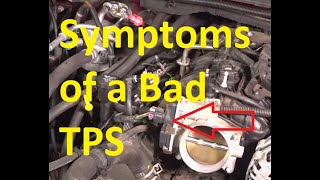
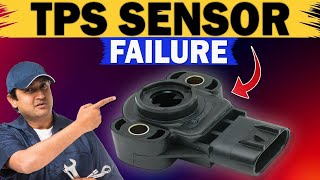
A failing Throttle Position Sensor (TPS) is a common reason for drivability problems in the 1989-2000 Isuzu Amigo. Because this sensor directly translates your foot's movement on the gas pedal into a signal for the engine computer, any malfunction can cause a wide range of frustrating issues. Symptoms often start small but can become serious, affecting both performance and safety.
Common Symptoms of a Bad TPS
If your Amigo is experiencing any of these issues, a faulty TPS could be the culprit:
- Hesitation and Stumbling: The truck may hesitate or stumble when you press the gas pedal, feeling like it's momentarily losing power.
- Poor or No Acceleration: You might notice the engine feels sluggish and lacks its usual power, or has a delayed response to the throttle.
- Rough or Unstable Idle: The engine may idle too high, too low, or surge up and down on its own. Stalling when you come to a stop is also a common sign.
- Jerking or Surging at Speed: The vehicle might buck or surge unexpectedly while driving as the sensor sends erratic signals.
- Automatic Transmission Problems: If you have an automatic, a bad TPS can cause hard, late, or erratic gear shifts.
- Check Engine Light: A failing TPS will almost always trigger the Check Engine Light. Common trouble codes include P0121, P0122 (low voltage), and P0123 (high voltage).
Choosing the Right Aftermarket TPS
When replacing the TPS on your Amigo, you have several aftermarket options. While an OEM part from Isuzu is an option, it is often the most expensive. High-quality aftermarket parts can offer similar performance for a better price. However, be cautious of the cheapest available parts, as some owners report issues like rough idle immediately after installing a low-grade sensor.
Aftermarket Brand Quality Tiers
| Tier | Brands | Notes |
|---|---|---|
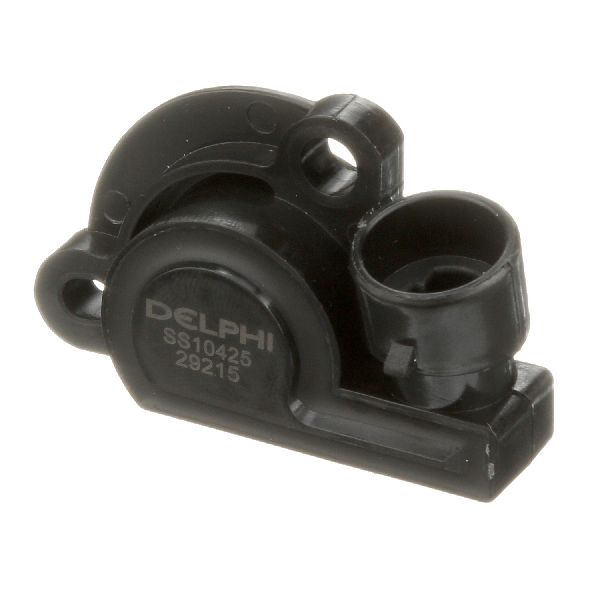
| Premium Aftermarket | Beck Arnley, Delphi, NGK/NTK | These brands are often original equipment manufacturers or are known for re-packaging the OE part. They are widely trusted for quality and reliability, making them a safe bet for a long-lasting repair. |
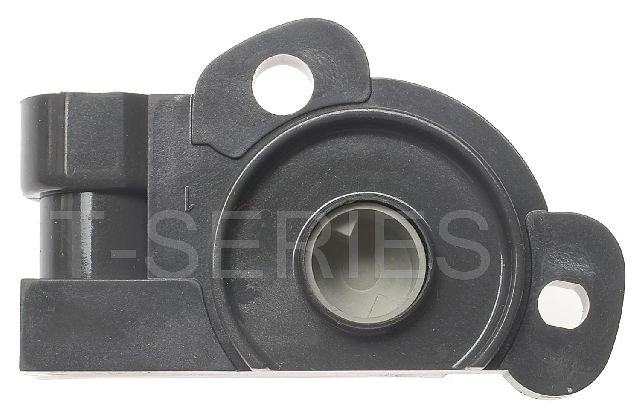
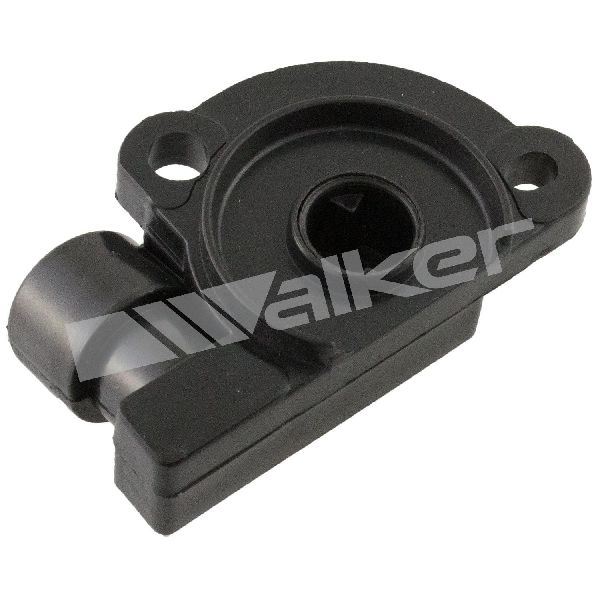
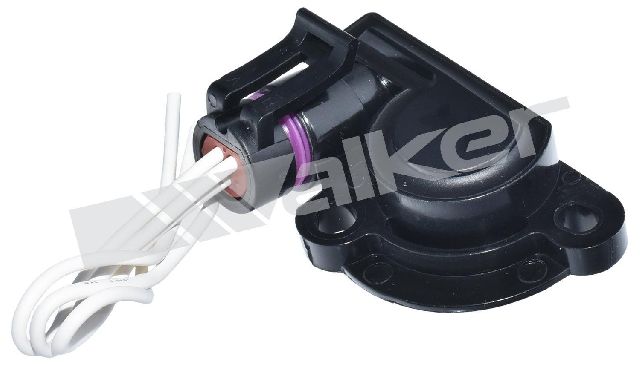
| Standard Replacement | Standard Motor Products (SMP), Walker Products | These are reputable aftermarket brands that offer a good balance of quality and price. They are a solid choice for most repairs and are generally reliable. |
| Budget Options | Replacement, Global Parts, True Tech | These brands offer the lowest price point. While they can get your vehicle running, their long-term durability and consistency can be a gamble. Consider these if budget is the primary concern, but be aware of potential quality issues. |
A Note on Isuzu Engines
The 1989-2000 Amigo came with different engines (2.3L 4-cyl, 2.6L 4-cyl, 2.2L 4-cyl, 3.2L V6). Always verify the part fits your specific engine before ordering. The TPS for a 4-cylinder is different from the V6 model.
Frequently Asked Questions
Can I replace the TPS myself?
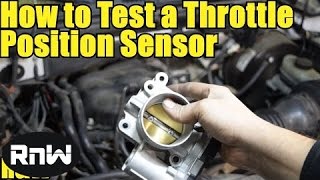
Yes, this is a very DIY-friendly job. The TPS is located on the side of the throttle body and is held on by two screws. The process involves removing the air intake hose, unplugging the sensor, removing the screws, and swapping the part. The entire job can usually be done in under an hour with basic hand tools.
Does the new TPS need to be adjusted?
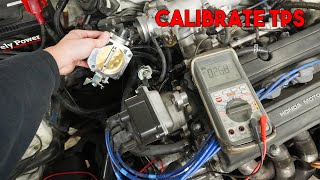
For some earlier 4-cylinder models (like the 2.6L), the new sensor may need to be adjusted. This involves rotating the sensor slightly until a multimeter shows the correct reading for the idle position 🎬 See how to calibrate your new sensor using a multimeter before you tighten the screws. For the V6 models, adjustment is not typically required, but it's wise to perform a simple ECU reset by disconnecting the battery for about 15 minutes after installation. This allows the computer to learn the new sensor's parameters.
🎬 Watch: Quick secrets for resetting your throttle position sensorWhat tools do I need to replace the TPS?
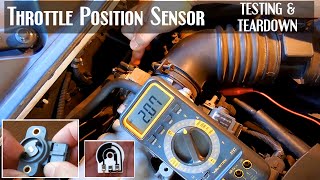
You will need a basic set of screwdrivers and/or sockets to remove the air intake clamps and the sensor's mounting screws. A T20 Torx bit may be required for some models. A multimeter is highly recommended to test the old sensor's output and confirm the new one is working correctly before you finish the installation.
Are there any recalls for the Amigo's throttle position sensor?
No, there are no specific recalls or Technical Service Bulletins (TSBs) from Isuzu or the NHTSA for a faulty throttle position sensor on the 1989-2000 Amigo. Failures are typically due to the age and wear of the electronic component.
Helpful Videos



Technical Specifications
The TPS is typically a three-wire sensor for V6 models, providing a 5V reference, ground, and a variable signal voltage. The signal should sweep smoothly from approximately 0.5V at closed throttle to 4.5V at wide-open throttle. Some 4-cylinder models may use a switch-type sensor that detects idle and full-throttle positions.
We Have This Part in Stock


The information in this article is provided for general reference and educational purposes only. Vehicle specifications, procedures, and part compatibility can vary by production date, trim level, and region. Always consult your vehicle's factory service manual and verify part numbers before purchasing or performing repairs. Safety-critical components such as airbags, seat belts, and braking systems should be installed by a qualified professional.
- Isuzu Amigo: