

Suzuki Swift 1989-2001 Horn Replacement and Troubleshooting Guide
A non-working or weak horn on your Swift is a safety issue; here's how to diagnose and replace it correctly.
- Always check the fuse and relay first before replacing the horn, as this is a common and inexpensive fix.
- Aftermarket horns from brands like Replacement and Standard Ignition are cost-effective and reliable solutions for the 1989-2001 Swift.
- Replacing the horn is a straightforward DIY job, but may require removing the front bumper for access.
- A non-working horn is a safety hazard and may not pass vehicle safety inspections; it should be repaired promptly.
Is Your Suzuki Swift's Horn Failing?
A problem with your horn can show up in a few ways. You might press the button and hear nothing at all. Sometimes, the horn might sound weak, intermittent, or just different than it used to. These issues are common in older cars like the 1989-2001 Suzuki Swift as electrical components and wiring age. The cause can range from a simple blown fuse to a faulty horn unit.
Safety First: A Silent Horn is a Serious Problem
While you can still drive the car, a non-functional horn is a significant safety risk. It removes your ability to warn others in an emergency. It's recommended to fix this issue as soon as possible, as it may also be a legal requirement in your area.
Diagnosing the Problem: Fuse, Relay, or Horn?
Before buying a new horn, it's smart to check the simple things first. A horn system has several parts: the button, a fuse, a relay, and the horn itself. Problems often stem from a blown fuse, a bad relay, or corroded wiring, not just the horn unit.
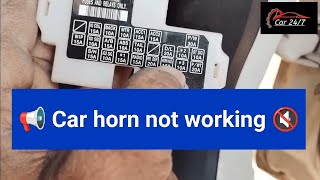
- Check the Fuse: This is the easiest and most common fix. Locate your Swift's fuse box and find the fuse labeled for the horn. If it's blown, replace it. If the new fuse blows immediately, you have a short circuit that needs further investigation.
- Check the Relay: The horn relay is a small electrical switch. You can often feel or hear it click when the horn button is pressed. If there's no click, the relay might be the problem.
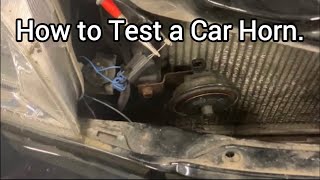
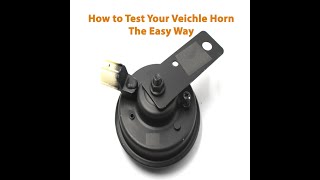
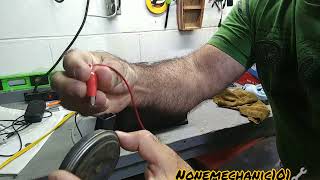
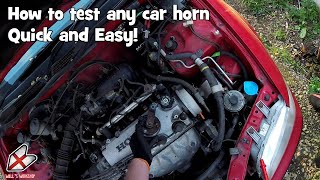
- Test the Horn Itself: If the fuse and relay are good, the horn unit may have failed. You can test it by carefully applying 12-volt power directly to its terminals. 🎬 Watch: How to test your horn using a 12v battery If it doesn't make a sound, the horn needs to be replaced.
Choosing the Right Aftermarket Horn
For a vehicle like the 1989-2001 Suzuki Swift, aftermarket horns offer a great balance of quality and value. OEM parts can be hard to find and expensive for older models. Aftermarket quality has improved significantly, and for a straightforward part like a horn, it's a reliable choice.
You'll find a couple of main options:
- Replacement Brand: These are often called value-grade or generic parts. They are designed to be a direct, budget-friendly replacement for the original horn. For a simple, functional fix that gets the job done without a high cost, this is a solid choice.
- Standard Ignition (SMP): Standard Ignition is a well-known aftermarket manufacturer with a long history. Their parts are generally considered to be of good quality, often meeting or exceeding original specifications. Choosing a brand like Standard Ignition can provide extra peace of mind regarding durability and performance.
| Part Type | Estimated Cost |
|---|---|
| New Aftermarket Horn | $36.29 - $77.37 |
| New OEM Horn | $80 - $150+ (estimate, may be discontinued) |
| Shop Labor | $50 - $100 |
Pro Tip: Check for High and Low Tones
Some vehicles use two horns—one with a high tone and one with a low tone—to create a more noticeable sound. If your Swift has two and only one has failed, your horn might sound weak or strange. It's often a good idea to replace them in pairs to ensure a consistent sound and long-term reliability.
Frequently Asked Questions (FAQ)
Where is the horn located on a 1989-2001 Suzuki Swift?
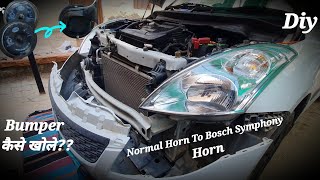
The horn is usually located at the front of the car, behind the grille or front bumper, to allow the sound to travel. You may need to remove the front bumper cover for access, which typically involves removing several clips and screws along the top, bottom, and in the wheel wells.
🎬 See this guide on how to remove the front bumperCan I install a new horn myself?
Yes, this is a very feasible DIY project for most people. It usually involves unplugging the electrical connector, unbolting the old horn, bolting the new one in its place, and reconnecting the wiring. The most challenging part might be accessing the horn by removing the bumper cover.
Are there any recalls for the Suzuki Swift horn?
Based on searches of the National Highway Traffic Safety Administration (NHTSA) database, there are no specific recalls for the horn on the 1989-2001 Suzuki Swift. Any issues are typically due to the age and wear of the components.
What if I replace the horn and it still doesn't work?
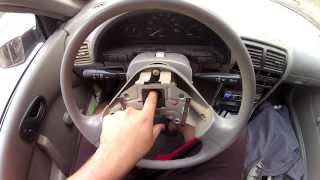
If a new horn doesn't solve the problem, the issue lies elsewhere in the electrical circuit. Re-check the fuse and relay. The problem could also be with the horn button in the steering wheel, the clock spring (a coiled wire behind the steering wheel), 🎬 Watch: How to fix a horn by removing the steering wheel or a break in the wiring itself.
Helpful Videos

Technical Specifications
Voltage: 12V, Operating Mode: Electric
We Have This Part in Stock


The information in this article is provided for general reference and educational purposes only. Vehicle specifications, procedures, and part compatibility can vary by production date, trim level, and region. Always consult your vehicle's factory service manual and verify part numbers before purchasing or performing repairs. Safety-critical components such as airbags, seat belts, and braking systems should be installed by a qualified professional.
- Suzuki Swift: