

A Comprehensive Guide to Spark Plugs for the 1989-2001 Suzuki Swift
Keep your Swift's engine running smoothly with the right set of spark plugs.
- For best results, use NGK or Denso brand spark plugs, which are often OEM suppliers for Suzuki.
- Upgrading from standard copper plugs to iridium can increase longevity and provide a smoother idle.
- Replacement is a simple DIY task that can be done in under an hour with basic tools.
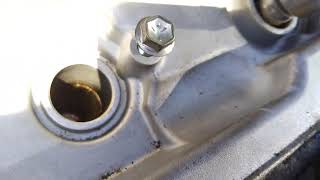
- When changing plugs, inspect for oil fouling, which may indicate a separate, easy-to-fix valve cover gasket leak.
Is Your Swift Telling You It Needs New Plugs?

Worn-out spark plugs can cause a number of noticeable problems. Because they are a regular maintenance item, you will eventually need to replace them. If you're experiencing any of the issues below, your spark plugs are a likely culprit.
- Rough Idling: Your car may shake or vibrate when stopped at a light. This happens because a weak spark is causing the engine to run unevenly.
- Poor Acceleration: If your Swift feels sluggish or slow to respond when you press the gas, it could be due to inefficient combustion from old plugs.
- Reduced Fuel Economy: When plugs don't fire correctly, your engine wastes fuel. You might find yourself visiting the gas station more often.
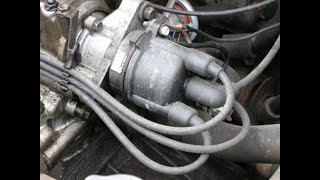
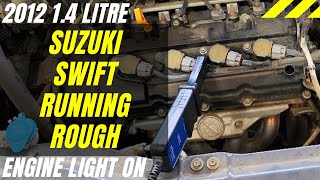
- Engine Misfires: You may feel a hesitation or stumble from the engine, especially under load. A flashing check engine light often accompanies a misfire. 🎬 Watch this video to diagnose and fix common engine misfire codes.
- Difficulty Starting: Worn plugs can make it harder for the engine to start, especially in cold weather.
Choosing the Right Aftermarket Spark Plugs

For the 1989-2001 Suzuki Swift, you don't need to buy expensive OEM parts from a dealer. High-quality aftermarket brands are often the same as the original parts or even better. Here’s a breakdown of the available brands and types.
Brand Tiers for Your Suzuki Swift
Tier 1: OEM Quality & Recommended (NGK, Denso)
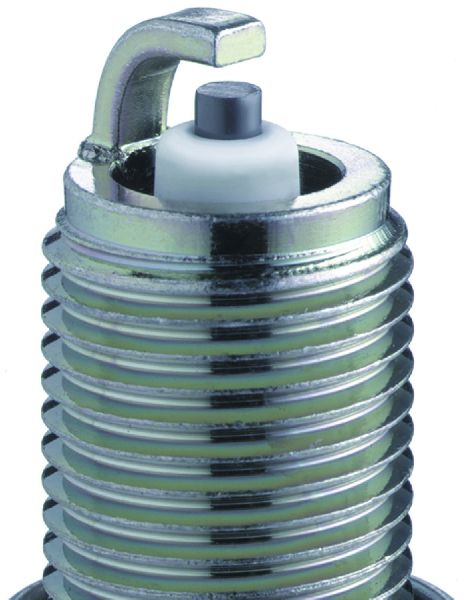
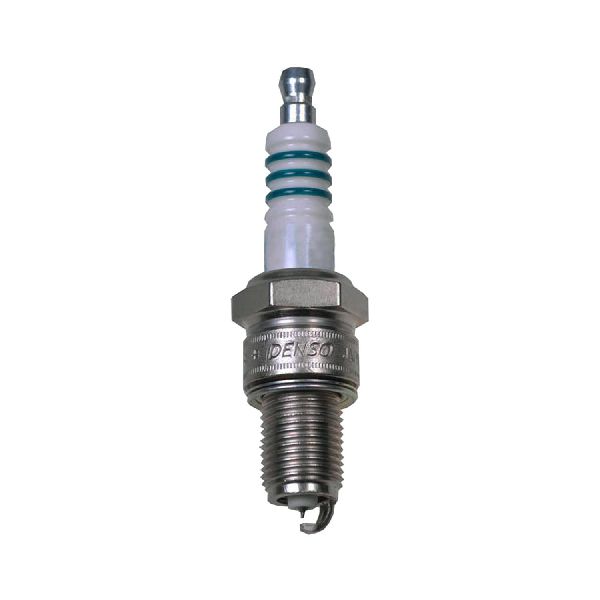
Most Suzuki owners and mechanics strongly recommend sticking with NGK or Denso spark plugs. These Japanese brands are often the original equipment manufacturer for Suzuki. They are engineered to work perfectly with your Swift's ignition system. You can confidently choose their standard copper (V-Power) plugs for reliable, affordable performance or upgrade to iridium for longer life and a slight performance edge.
Tier 2: Standard Replacement (Bosch, Champion, Autolite)
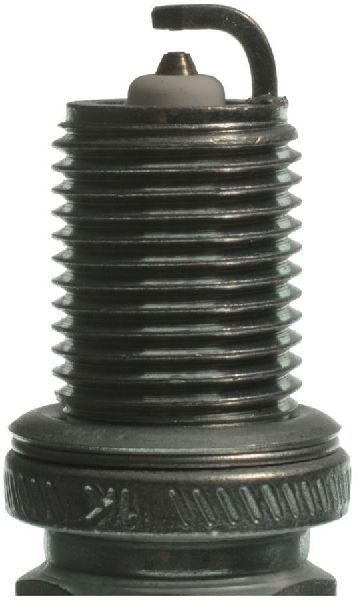
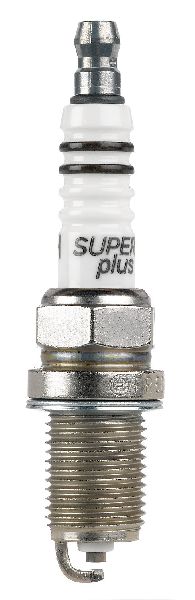
Brands like Bosch, Champion, and Autolite offer reliable spark plugs that meet or exceed OEM specifications. They are a perfectly acceptable choice if you're looking for a standard replacement and can't find NGK or Denso. They offer various types, including copper, platinum, and iridium plugs that will fit your Swift.
Tier 3: Budget Options (Skyward, other value brands)
While budget-friendly, the long-term reliability and performance of lesser-known brands can be inconsistent. Given the low cost of even top-tier plugs for the Swift, it is highly recommended to choose a brand from Tier 1 or 2 for peace of mind.
Spark Plug Types: Copper vs. Iridium
- Copper/Nickel: These are the standard, most affordable plugs. They offer great performance but have the shortest lifespan, typically needing replacement every 30,000 miles. The NGK V-Power is a popular copper plug for the Swift.
- Platinum/Double Platinum: These are a step up from copper, offering a longer service life (around 60,000 miles).
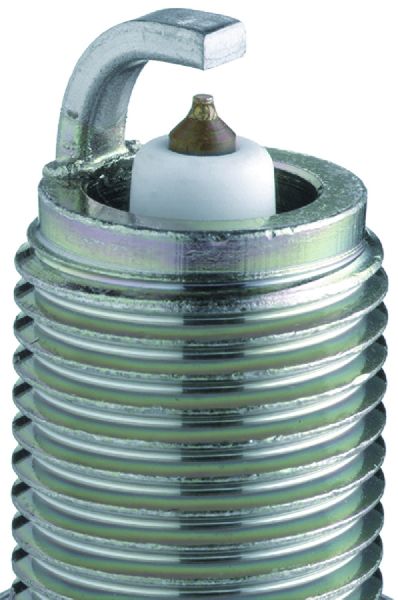
- Iridium: These are the top-of-the-line plugs. They have a very fine center electrode that provides a more focused, powerful spark and can last for 100,000 miles or more. Many owners upgrade to NGK Iridium IX or Denso Iridium plugs for improved throttle response and longevity.
Aftermarket Spark Plug Cost (1989-2001 Suzuki Swift)
| Plug Type | Price Per Plug | Total (4 Plugs) |
|---|---|---|
| Standard Copper (NGK V-Power, etc.) | $3.35 - $6.00 | $13.40 - $24.00 |
| Iridium (NGK IX, Denso Iridium, etc.) | $9.00 - $21.65 | $36.00 - $86.60 |
Check for Oil Leaks
When you remove your old spark plugs, check if they are coated in oil. Oil on the plugs is a common issue caused by a leaking valve cover gasket or spark plug tube seals, not a problem with the plugs themselves. If you see oil, you should replace the leaking gasket to prevent the new plugs from fouling prematurely.
Frequently Asked Questions (FAQ)

How often should I change the spark plugs on my Suzuki Swift?
For standard copper plugs, a good interval is every 30,000 miles. If you install platinum or iridium plugs, you can extend that to 60,000-100,000 miles. However, given the age of the vehicle, it's a good idea to inspect them more frequently.
What is the best spark plug brand for my Swift?
The overwhelming consensus from owners and mechanics is to use NGK. Denso is also an excellent choice. These brands were often used as original equipment and provide the most reliable performance.
Do I need to check the spark plug gap?
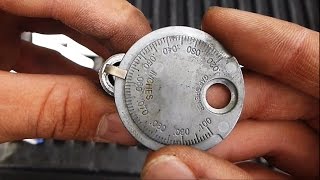
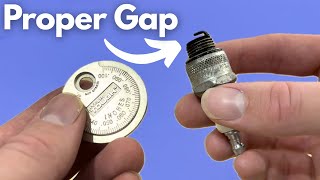
Most modern spark plugs from quality brands like NGK and Denso come pre-gapped for your vehicle. While it's always a good practice to verify the gap with a feeler gauge, you should not attempt to gap fragile iridium plugs unless you have the proper tool, as the fine tip can be easily damaged. For the 1.3L engine, the NGK BKR6E-11 plug gap is typically 0.044 inches (1.1mm).
🎬 See how to properly gap your plugs before installation.Can I install the spark plugs myself?
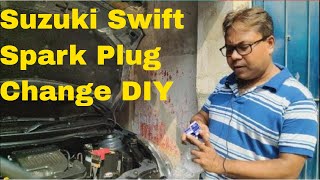
Yes, this is a very easy job for a DIY mechanic. You will need a ratchet, an extension, and a 16mm spark plug socket. The process is straightforward and typically takes less than an hour. Just make sure the engine is cool before you start.
🎬 Follow this easy step-by-step guide to change your Swift's spark plugs.Helpful Videos

Technical Specifications
OEM Part Numbers: 09482-00427 09482-00520
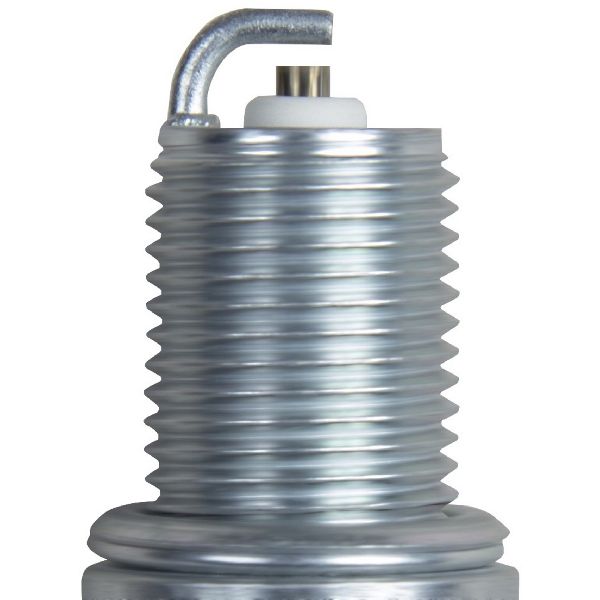
Common aftermarket parts include NGK BKR6E-11, NGK 2756, and NGK V-Power. A 16mm spark plug socket is required for installation.
We Have This Part in Stock

The information in this article is provided for general reference and educational purposes only. Vehicle specifications, procedures, and part compatibility can vary by production date, trim level, and region. Always consult your vehicle's factory service manual and verify part numbers before purchasing or performing repairs. Safety-critical components such as airbags, seat belts, and braking systems should be installed by a qualified professional.
- Suzuki Swift:
- 🎬 Helpful Videos
- 🛍️ Shop This Part
- Is Your Swift Telling You It Needs New Plugs?
- Choosing the Right Aftermarket Spark Plugs
- Brand Tiers for Your Suzuki Swift
- Spark Plug Types: Copper vs. Iridium
- Aftermarket Spark Plug Cost (1989-2001 Suzuki Swift)
- Check for Oil Leaks
- Frequently Asked Questions (FAQ)
- 🎟️ Get 5% Off