

Ford E-150 Econoline (1989-2002) Engine Oil Pressure Switch Guide
Having oil pressure gauge problems on your Ford E-150 Econoline? It might just be a bad switch.
- An erratic or zeroed-out oil pressure gauge on a 1989-2002 E-150 is most often caused by a bad switch, not a bad engine.
- Always check your oil level first when you see a low pressure warning.
- This is a simple and inexpensive DIY repair that can be completed in under an hour.
- A quality aftermarket switch from a brand like Standard or Rostra is a reliable and cost-effective choice for this repair.
Is Your Oil Gauge Acting Up?
A common issue on the 1989-2002 Ford E-150 Econoline is an oil pressure gauge that gives erratic readings. Owners often report the gauge needle flickering, or suddenly dropping to zero, especially when the engine is warm and idling at a stop light. While this can be alarming, it doesn't always mean your engine is in trouble. More often than not, the problem is a faulty oil pressure switch, not a lack of actual oil pressure.
Symptoms of a Failing Oil Pressure Switch
Before you suspect a major engine problem, check if you're experiencing these common signs of a bad switch:
- Flickering Oil Pressure Gauge: The needle on the dashboard gauge may bounce around or flicker, particularly at idle or during hard braking.
- Gauge Drops to Zero: The gauge might read normal while driving but suddenly drop to zero when you come to a stop.
- Oil Warning Light On: The switch can fail and cause the oil warning light to illuminate on your dash, even if the oil level and pressure are fine.
- Oil Leaks: The switch itself can develop cracks or have a bad seal, leading to oil leaking from around the sensor body.
Important: Don't Ignore the Warnings
Even though a faulty switch is a common issue, you should never ignore a low oil pressure warning. Always check your oil level first. If the level is correct but the gauge reads low and you hear engine knocking or rattling noises, stop the engine immediately. This could indicate a true low-pressure situation that can cause severe engine damage.
Choosing the Right Aftermarket Switch
For a vehicle like the 1989-2002 E-150, aftermarket parts offer a great balance of value and quality. The original factory switches are known to fail over time, so a new aftermarket part is a reliable choice. When shopping, you'll find several brands available.
- Standard Ignition (Standard Motor Products): This is a well-known and commonly used brand for replacement sensors. They are generally considered a reliable option for this type of part, though like any component, failures can occur.
- Facet: An Italian manufacturer that has been around since 1946, Facet is a known brand in Europe. They are generally considered a decent quality option for sensors and switches.
- Rostra Powertrain: Rostra is a certified manufacturer that produces parts for both original equipment (OE) and the aftermarket. They are known for electronic components and sensors, and reviews often point to good quality.
- Global Parts: Reviews for Global Parts are mixed and often refer to customer service and used parts, making it difficult to assess the quality of their new components specifically.
Pro Tip: OEM vs. Aftermarket
For this specific part on this van, there is little functional difference between a quality aftermarket switch and an OEM one. The original design is a simple switch, not a variable sensor. Given the age of the vehicle and the high failure rate of the original part, a new switch from a reputable aftermarket brand like Standard or Rostra is a smart and cost-effective repair.
Cost of Replacing the Engine Oil Pressure Switch
| Part Type | Estimated Cost |
|---|---|
| New Aftermarket Switch | $7.35 - $51.15 |
| Shop Labor | $61 - $90 |
| Total Estimated Cost (DIY) | $7.35 - $51.15 |
| Total Estimated Cost (Shop) | $68.35 - $141.15 |
Note: Prices are estimates and can vary based on brand, location, and specific vehicle configuration. The provided aftermarket price range is based on inventory data.
Frequently Asked Questions (FAQ)
Where is the oil pressure switch located on a 1989-2002 E-150?
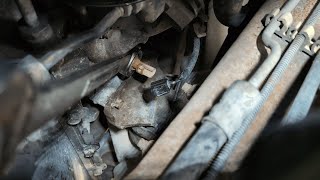
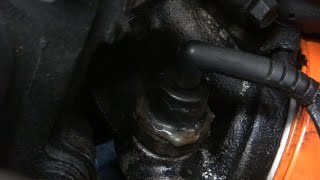
The oil pressure switch (or sending unit) is typically located on the engine block, near the oil filter. On some models, like those with the 4.2L V6 or 5.4L V8, you can access it from under the front of the van, near the power steering pump or lower radiator hose. Access can be tight.
🎬 See exactly where the switch is located on 4.2L engines.Can I replace the oil pressure switch myself?
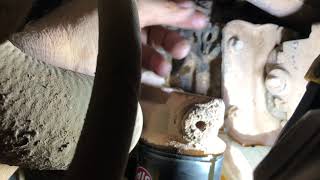
Yes, this is a very feasible DIY job for most home mechanics. It typically involves unplugging the electrical connector, using a special socket or a wrench to unscrew the old switch, and then installing the new one. Be prepared for a small amount of oil to drip out when you remove the old switch. The entire job can usually be done in under an hour.
🎬 Watch this five-minute walkthrough of the replacement process.Is a flickering oil light always a bad switch?
Not always, but it's the most common cause on these vans. A flickering light can also be caused by a low oil level, dirty oil, or a clogged oil pickup tube in the engine. Always check your oil level first. If the oil is full and clean, and there are no strange engine noises, the switch is the most likely culprit.
Do I need a special tool to replace the switch?
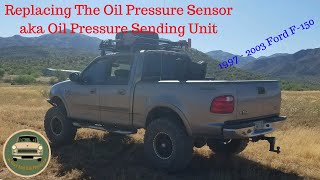
You may need a deep socket designed for oil pressure switches, as the plastic connector housing can prevent a standard socket from fitting. However, some owners have successfully used a standard wrench. The size can vary; one video mentions a 26mm wrench for the original part and a 21mm for the replacement. It's best to check your specific part.
🎬 Watch a helpful guide on testing and installing the switch.Helpful Videos
Technical Specifications
OEM Part Numbers: HC3Z-9278-A
The oil pressure switch for this vehicle is a simple on/off switch, not a variable-resistance sender. It triggers at a low pressure threshold (around 8 PSI) to operate the 'dummy' gauge on the dashboard.
We Have This Part in Stock


The information in this article is provided for general reference and educational purposes only. Vehicle specifications, procedures, and part compatibility can vary by production date, trim level, and region. Always consult your vehicle's factory service manual and verify part numbers before purchasing or performing repairs. Safety-critical components such as airbags, seat belts, and braking systems should be installed by a qualified professional.
- Ford E-150 Econoline:
- 🎬 Helpful Videos
- 🛍️ Shop This Part
- Is Your Oil Gauge Acting Up?
- Symptoms of a Failing Oil Pressure Switch
- Important: Don't Ignore the Warnings
- Choosing the Right Aftermarket Switch
- Pro Tip: OEM vs. Aftermarket
- Cost of Replacing the Engine Oil Pressure Switch
- Frequently Asked Questions (FAQ)
- 🎟️ Get 5% Off