

Mazda MPV Horn Not Working? A Troubleshooting and Replacement Guide for 1989-2002 Models
Before you buy a new horn for your Mazda MPV, run through these simple checks to make sure you're replacing the right part.
- Always check the horn's fuse and relay before assuming the horn itself has failed; this can save you time and money.
- A faulty clock spring is a common culprit if the horn stops working and the airbag light is also on.
- The horn is usually located behind the front bumper or grille and is a simple part to replace once you can access it.
- Quality aftermarket brands like Standard Ignition offer a reliable and cost-effective alternative to more expensive OEM parts.
Is Your Mazda MPV Horn Failing?
A silent horn is more than an inconvenience; it's a significant safety hazard. For the 1989-2002 Mazda MPV, horn failure can stem from several sources. The most common symptoms are straightforward: the horn doesn't work at all, it sounds weak or muffled, or it only works intermittently. Understanding the cause is key to a successful and cost-effective repair.
Diagnosing the Problem: What to Check First
Don't rush to buy a new horn. More often than not, the issue lies elsewhere in the system. Follow these steps to diagnose the problem correctly.
- Check the Fuse: This is the simplest check. Locate the fuse box (your owner's manual will show you where) and find the horn fuse. If the metal strip inside is broken, the fuse is blown. Replace it with a new fuse of the exact same amperage. If the new fuse blows immediately, you have a short circuit that needs to be addressed.
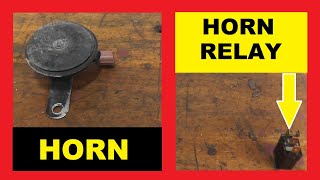
- Test the Horn Relay: The relay is a small electrical switch that powers the horn. You can often hear a faint 'click' from the fuse box area when you press the horn button, which indicates the relay is trying to work. A common diagnostic trick is to swap the horn relay with an identical relay from a non-essential system (like the fog lamps) in the same fuse box. If the horn works, you've found your problem: a bad relay. 🎬 Watch: How to test and replace your horn relay
- Inspect the Horn and Wiring: If the fuse and relay are good, the issue might be the horn itself or its connections. The horn is typically located behind the front grille or bumper. Check for loose or corroded wires connected to the horn. Sometimes, simply cleaning the contacts and ensuring a tight connection can solve the problem.
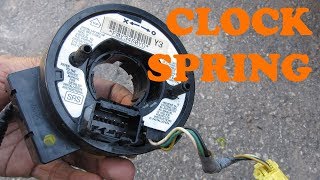
- Consider the Clock Spring: This is a common point of failure on older vehicles. The clock spring is a special coiled wire inside your steering column that allows the steering wheel to turn while maintaining electrical connections for the airbag and horn. If your airbag warning light is also on, or if your steering wheel-mounted cruise control buttons have stopped working, a bad clock spring is the most likely culprit. Replacing a clock spring is more complex than replacing a horn and may require professional help due to the airbag system. 🎬 Watch this walkthrough on how to replace a clock spring
Pro Tip: Quick Horn Test
You can test the horn itself by running two jumper wires directly from your vehicle's 12V battery to the horn's terminals. If the horn honks, the horn unit is good, and the problem is in the wiring, relay, or fuse.
🎬 See how to use a power probe to diagnose the circuitChoosing the Right Aftermarket Horn
For a straightforward part like a horn, aftermarket options provide excellent value without sacrificing quality. The original OEM horn sound and performance can easily be matched or exceeded by a quality aftermarket part.
- Standard Ignition: This is a well-regarded brand in the aftermarket, known for producing parts that meet or exceed original equipment specifications. A horn from Standard Ignition is a reliable, direct-fit choice that you can trust for longevity and proper function. Customer reviews are generally positive, citing good quality and a loud, clear sound.
- Replacement: This category represents value-focused brands. These horns are designed to be a direct, budget-friendly replacement for the factory part. While they may not have the long-standing reputation of a brand like Standard Ignition, they offer a cost-effective solution to get your horn working again.
Estimated Replacement Costs
The cost to replace a horn can vary, especially if the problem is not the horn itself but a more complex component like the clock spring.
| Part / Service | Estimated Cost |
|---|---|
| New Aftermarket Horn | $36 - $78 |
| New OEM Horn | $80 - $150 |
| Used OEM Horn | $20 - $45 |
| Shop Labor (Horn Only) | $60 - $150 |
Cost estimates are approximate and can vary by location and vehicle condition. Diagnosis time may be extra.
Frequently Asked Questions (FAQ)
Is it safe to drive my MPV with a broken horn?
While you can physically drive the vehicle, it is not safe and may be illegal in your state. The horn is a primary safety feature for alerting others to your presence and avoiding collisions. It's recommended to get it fixed as soon as possible.
How do I know for sure if the horn itself is broken?
The most definitive way is to test it directly. After safely removing the horn, use jumper wires to connect it to a 12V power source like your car battery. If it doesn't make a sound, the horn unit has failed. If it does make a sound, the problem lies in your vehicle's fuse, relay, or wiring.
Do aftermarket horns sound different from the original Mazda horn?
They can. Some aftermarket horns are designed to be louder or have a different pitch (high vs. low tone) than the factory part. However, standard replacement horns from brands like Standard Ignition are engineered to sound very similar to the original.
My horn won't stop honking. Is this related?
A stuck horn is usually caused by a faulty horn switch in the steering wheel or a stuck relay. While you troubleshoot, you can pull the horn fuse or relay from the fuse box to silence it.
Helpful Videos
Technical Specifications
OEM Part Numbers: B092-66-790A SH63-66-780A
Typically a 12V, single-bolt mount electric horn. May be part of a high/low tone pair.
We Have This Part in Stock


The information in this article is provided for general reference and educational purposes only. Vehicle specifications, procedures, and part compatibility can vary by production date, trim level, and region. Always consult your vehicle's factory service manual and verify part numbers before purchasing or performing repairs. Safety-critical components such as airbags, seat belts, and braking systems should be installed by a qualified professional.
- Mazda MPV: