

Choosing a New Aftermarket Alternator for Your 1993-2002 Mercury Villager
Keep your Villager's electrical system running strong by understanding your alternator replacement options.
- A new aftermarket alternator is often the best value for a 1993-2002 Villager, balancing cost and reliability.
- Symptoms of failure include dim lights, a battery warning light, and a frequently dead battery.
- While replacing the alternator, inspect the multiple drive belts and their tensioners for wear.
- The job is moderately difficult for a DIYer and requires lifting the vehicle for access.
Is Your Mercury Villager's Alternator Failing?
The alternator is a key part of your Villager's charging system. When it starts to go bad, you'll notice some clear warning signs. The most common symptom is a battery warning light on your dashboard. You might also notice your headlights and interior lights dimming, especially at idle. Other signs include slow-operating power windows or a battery that repeatedly dies, even after being charged or jump-started. A whining or grinding noise from the engine bay can also point to a failing alternator bearing.
New Aftermarket vs. OEM and Remanufactured
When replacing the alternator on your 1993-2002 Villager, you have a few choices. A new OEM (Original Equipment Manufacturer) part is what the van came with from the factory, but these can be expensive and hard to find for an older vehicle. Remanufactured alternators are old units that have been rebuilt with new wear-and-tear components like bearings and brushes. Their quality can vary greatly depending on the rebuilder.
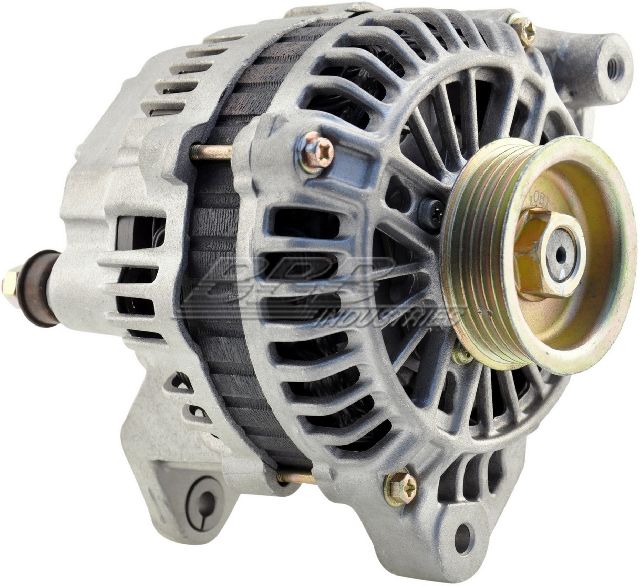
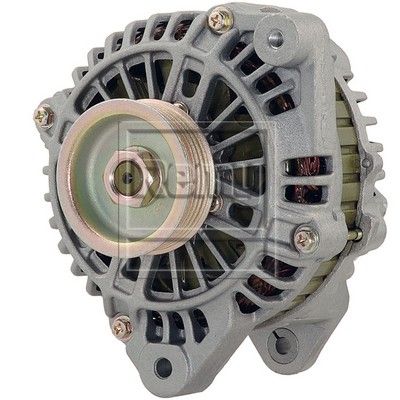
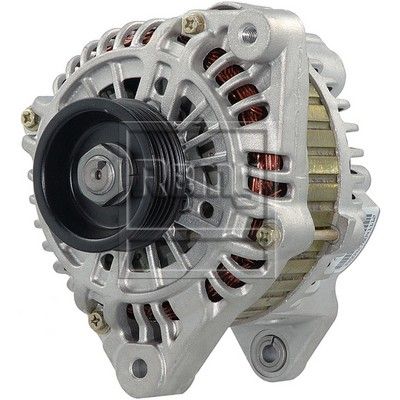
New aftermarket alternators are a popular choice. They are built from all-new components by companies other than the original manufacturer. For an older vehicle like the Villager, a quality new aftermarket unit often provides the best balance of reliability and cost. These parts are designed to meet or exceed the original specifications and avoid the potential quality issues of some remanufactured parts.
Pro Tip: Check the Drive Belts
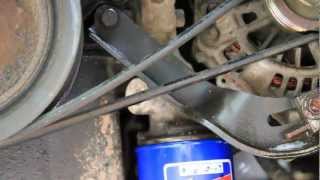
While you're replacing the alternator, it's the perfect time to inspect the drive belts. The 1993-2002 Villager has multiple belts. Check them for cracks, fraying, or glazing. Replacing worn belts at the same time as the alternator can save you from doing the job twice.
🎬 Watch this guide on changing the belts on your Villager.Choosing an Aftermarket Brand
For the Mercury Villager, several aftermarket brands are available, including Remy, BBB Industries, and MPA (Motorcar Parts of America). Here's a general breakdown:
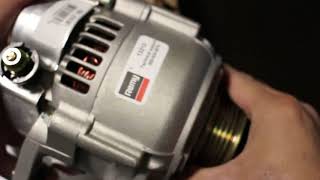
- Remy: Often considered a reputable brand in the aftermarket space. Forum discussions show mixed but generally acceptable experiences with their new and remanufactured units. Some users have reported long-lasting service, while others have experienced premature failures, particularly with bearings. 🎬 See an unboxing and review of Remy brand alternators.
- BBB Industries: This is a large company that supplies many parts stores. Their products are generally seen as a standard replacement option. Like other large-scale rebuilders, quality can sometimes be inconsistent, but they are a common choice for daily drivers.
- MPA (Quality-Built): Motorcar Parts of America manufactures Quality-Built starters and alternators. They state their products meet or exceed OE specifications and are fully tested. They are a viable option in the aftermarket.
Ultimately, choosing a new unit from any of these brands is often a safer bet than a remanufactured one, as you avoid the risk of mismatched or worn internal components that weren't replaced during rebuilding.
Known Issues, Recalls, and Bulletins
A search for recalls and Technical Service Bulletins (TSBs) for the 1993-2002 Mercury Villager did not reveal any specific issues directly related to the factory alternator failing. Most common problems reported for this van relate to other areas like the engine, fuel system, or exhaust manifolds. Any alternator failure on a vehicle of this age is typically due to normal wear and tear over time.
Cost of Alternator Replacement (1993-2002 Mercury Villager)
| Part/Service | Estimated Cost |
|---|---|
| New Aftermarket Alternator | $178 - $268 |
| Remanufactured Alternator | $100 - $210 |
| Shop Labor | $110 - $270 |
| Total Professional Replacement | $470 - $660 |
Frequently Asked Questions
How difficult is it to replace the alternator on a Villager?
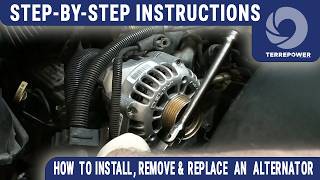
The replacement is moderately difficult. Access to the alternator, which is located low on the engine, can be tight. The process involves raising the vehicle, removing a splash shield, and working with the belt tensioners. For a DIYer with some experience and the right tools, it's a manageable job that takes a few hours.
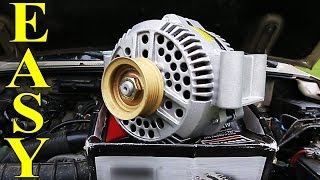
🎬 Follow this step-by-step video to replace your alternator.What tools do I need to replace the alternator?
You will need a good socket and wrench set, a belt tensioner tool or a long-handled wrench, a jack, and jack stands for safety. It's also a good idea to have a wire brush to clean electrical connections.
Should I disconnect the battery before starting?
Yes, absolutely. Before doing any work on the alternator, disconnect the negative battery cable. This prevents electrical shorts that could damage the new alternator, other parts of your electrical system, or cause injury.
What is the amperage of the stock Villager alternator?
The 1999-2002 Mercury Villager typically uses a 125-amp alternator. The earlier 1993-1998 models often used a 110-amp unit. When buying a replacement, make sure its amperage matches or exceeds the original specification for your vehicle's year.
Helpful Videos
Technical Specifications
OEM Part Numbers: XF5Z-10346-AA XF52-10300-AC 23100-7B000 23100-1B000 23100-0B000
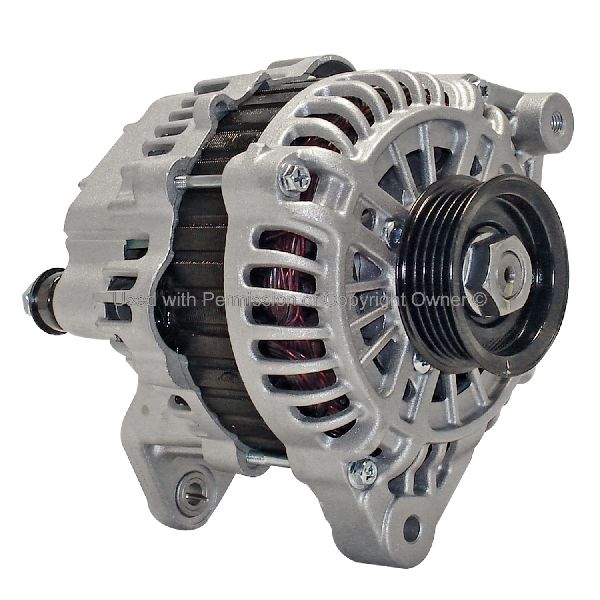
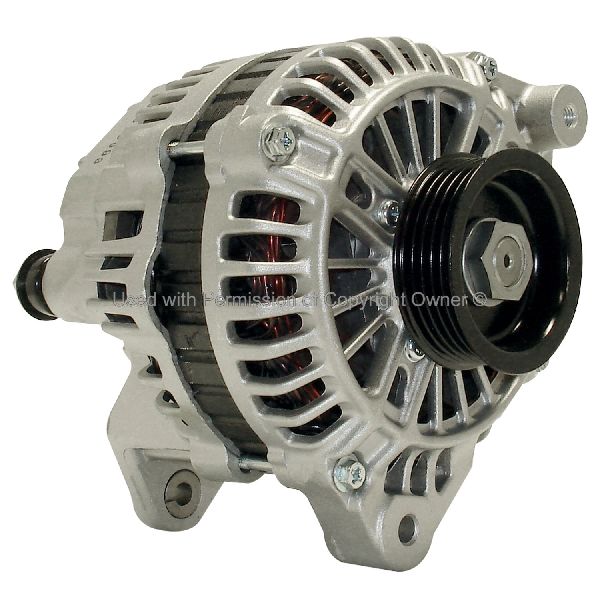
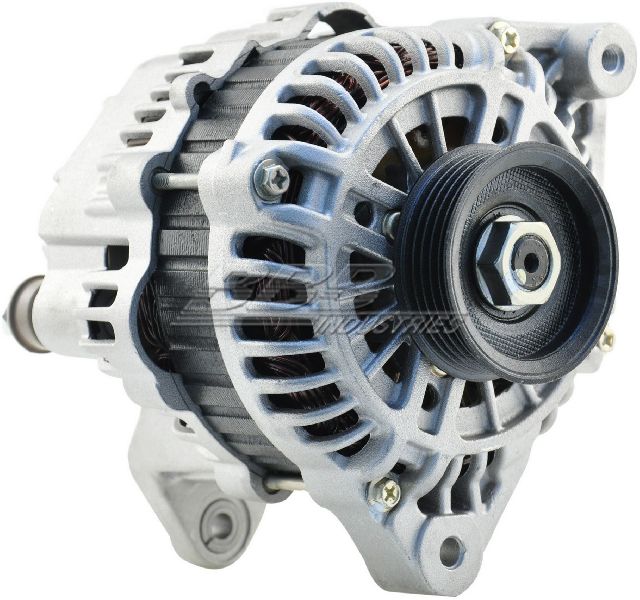
Amperage: 110A (1993-1998), 125A (1999-2002). Voltage: 12V. Pulley: 5-Groove.
We Have This Part in Stock

The information in this article is provided for general reference and educational purposes only. Vehicle specifications, procedures, and part compatibility can vary by production date, trim level, and region. Always consult your vehicle's factory service manual and verify part numbers before purchasing or performing repairs. Safety-critical components such as airbags, seat belts, and braking systems should be installed by a qualified professional.
- Mercury Villager:
- 🎬 Helpful Videos
- 🛍️ Shop This Part
- Is Your Mercury Villager's Alternator Failing?
- New Aftermarket vs. OEM and Remanufactured
- Pro Tip: Check the Drive Belts
- Choosing an Aftermarket Brand
- Known Issues, Recalls, and Bulletins
- Cost of Alternator Replacement (1993-2002 Mercury Villager)
- Frequently Asked Questions
- 🎟️ Get 5% Off