

A Deep Dive into the Brake Light Switch for the 1989-2002 Suzuki Swift
Everything a Swift owner needs to know about diagnosing and replacing a faulty brake light switch.
- A faulty brake light switch is a critical safety issue that should be addressed immediately.
- Symptoms include brake lights not working, staying on, or cruise control failure.
- For the 1989-2002 Swift, a quality aftermarket switch from brands like Standard, Facet, or Rostra is a cost-effective and reliable solution.
- Replacement is simple, located above the brake pedal, and is a feasible DIY task for most owners.
Is Your Suzuki Swift's Brake Light Switch Failing?
A brake light switch endures thousands of clicks every time you drive. Over time, this constant use can cause it to wear out, leading to failure. The symptoms can range from a minor annoyance to a serious safety hazard. Recognizing the signs early is key to staying safe on the road.
Key Failure Symptoms
- Brake Lights Don't Work: This is the most dangerous symptom. The switch fails to complete the circuit, and your brake lights will not illuminate at all when you press the pedal.
- Brake Lights Stay On: The switch can fail in the 'on' position, causing the brake lights to remain lit even when your foot is off the pedal. This can drain your battery and confuse drivers behind you.
- Intermittent or Flickering Brake Lights: A loose internal connection can cause the lights to flicker or work only some of the time.
- Cruise Control Issues: If your Swift has cruise control, a faulty switch might prevent it from engaging or cause it to shut off unexpectedly.
- (Automatic Transmission) Can't Shift Out of Park: Many automatic vehicles require a signal from the brake switch to allow the gear shifter to move out of Park. A bad switch can leave you stranded.
Choosing the Right Aftermarket Brake Light Switch
For a straightforward part like the brake light switch on a 1989-2002 Swift, an aftermarket replacement is a practical and budget-friendly choice. The original OEM part may be difficult to find new, and the technology is simple enough that quality aftermarket brands provide reliable performance. There is no significant quality difference that justifies a lengthy search for an OEM part for this specific component.
Available Brand Tiers
- Standard Ignition (SMP): Often regarded as a top-tier aftermarket brand, Standard produces parts that meet or exceed original specifications. They are a reliable choice for a durable, long-lasting replacement.
- Facet: A well-known aftermarket manufacturer offering a good balance of quality and price. Reviews for their switches are generally positive, citing them as quality products and perfect replacements.
- Rostra Powertrain: Rostra specializes in powertrain and electronic components and has a background as an Original Equipment (OE) manufacturer for some brands. They are known for quality-tested parts.
Cost of Replacing a Suzuki Swift Brake Light Switch
Replacing the brake light switch is one of the more affordable repairs you can perform on your Swift.
| Part Type | Estimated Cost |
|---|---|
| New Aftermarket Part | $17.80 - $38.46 |
| Shop Labor | $50 - $100 |
| Total Estimated Cost (Aftermarket) | $67.80 - $138.46 |
Frequently Asked Questions
Can I replace the brake light switch myself?
Yes, this is a very DIY-friendly job. The switch is located above the brake pedal arm and is typically held in place by a clip or threaded nut. The process involves disconnecting the battery, unplugging the electrical connector, removing the old switch, and installing the new one. 🎬 Watch: A complete walkthrough of testing and replacing the switch. The entire job usually takes less than an hour.
Does the new switch need to be adjusted?
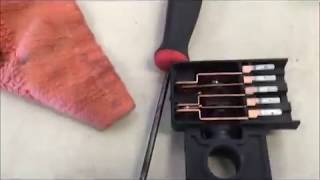
Yes, proper adjustment is crucial. The switch's plunger must be set so that the brake lights activate as soon as you begin to press the pedal, and turn off completely when the pedal is released. 🎬 Learn how to fix a faulty switch without buying a replacement. An improperly adjusted switch can cause the lights to stay on or not come on soon enough.
Were there any recalls for the 1989-2002 Swift brake light switch?
No specific recalls or Technical Service Bulletins (TSBs) from the NHTSA were found for the 1989-2002 Suzuki Swift concerning the brake light switch in the North American market. However, Suzuki has issued recalls for similar issues on other models, like the 2004 Forenza and Verona, where a misadjusted switch could cause the brake lights to stay on.
What happens if I ignore a bad brake light switch?
Ignoring a faulty switch is a serious safety risk. If your brake lights don't work, drivers behind you won't know you are stopping, which can easily lead to a rear-end collision. If they are stuck on, it can drain your battery and reduce the effectiveness of your warning signal to other drivers.
Helpful Videos
Technical Specifications
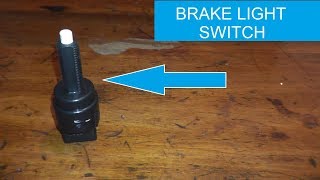
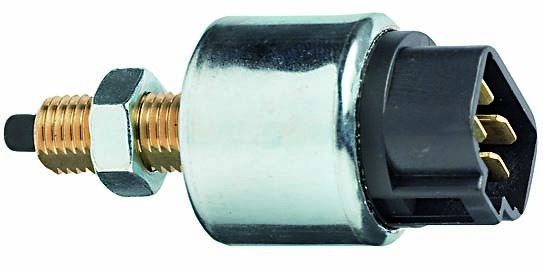
The brake light switch for this vehicle is a mechanical, plunger-style switch located on the brake pedal assembly. It is a normally-closed switch, meaning the circuit is open (lights off) when the pedal is at rest and pressing on the plunger. When the brake pedal is depressed, the plunger extends, closing the circuit and turning the lights on.
We Have This Part in Stock


The information in this article is provided for general reference and educational purposes only. Vehicle specifications, procedures, and part compatibility can vary by production date, trim level, and region. Always consult your vehicle's factory service manual and verify part numbers before purchasing or performing repairs. Safety-critical components such as airbags, seat belts, and braking systems should be installed by a qualified professional.
- Suzuki Swift: