

Engine Coolant Thermostat Guide for the 1989-2002 Suzuki Swift
Keep your Swift's engine temperature in check by understanding and choosing the right thermostat.
- A failing thermostat can cause either engine overheating (stuck closed) or the engine running too cold (stuck open).
- If your Swift is overheating, stop driving immediately to prevent catastrophic engine damage.
- For this vehicle, quality aftermarket brands like Stant and Gates are a reliable choice, but always verify the correct temperature rating (usually 180°F or 195°F).
- Replacement is a simple DIY job for most, but always use a new gasket and check for proper fitment before installing.
Is Your Suzuki Swift Overheating or Running Cold?
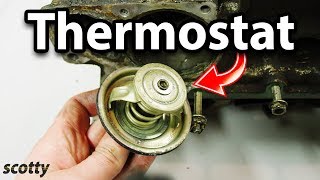
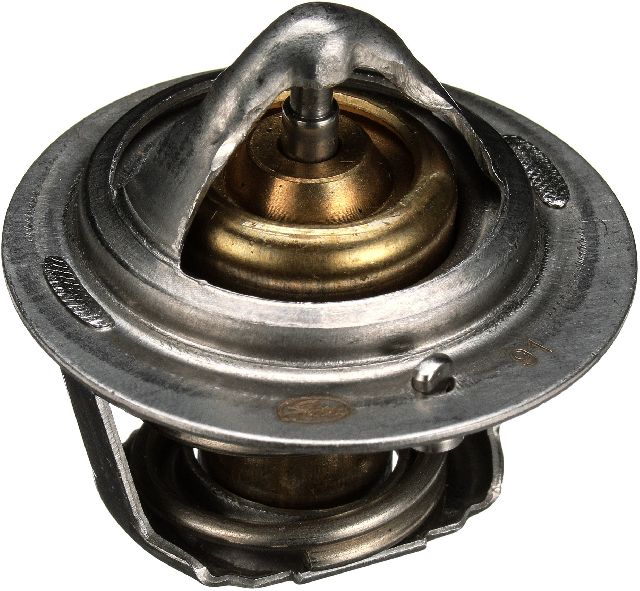
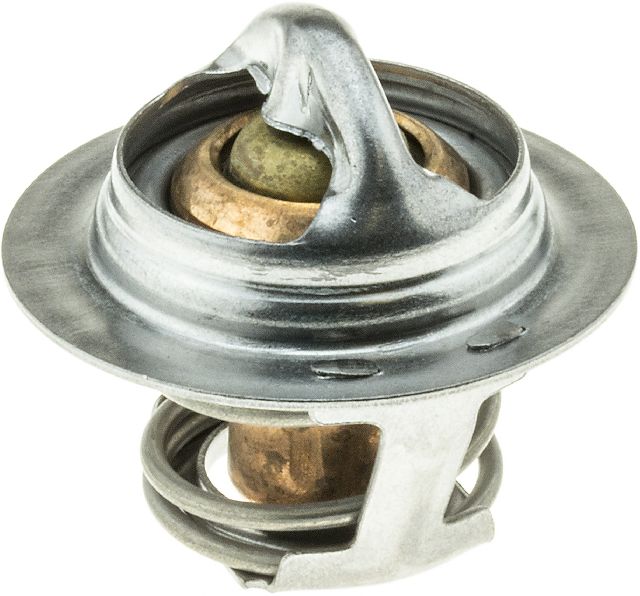
The engine coolant thermostat is a critical part of your Swift's cooling system. It's a simple valve that controls coolant flow to maintain the correct engine temperature. When it fails, it can get stuck in one of two ways: stuck closed or stuck open. A stuck-closed thermostat is the most dangerous, as it prevents coolant from reaching the radiator, leading to rapid engine overheating and potential for severe damage. A thermostat stuck open will cause your engine to take a very long time to warm up, or never reach full operating temperature at all. This leads to poor fuel economy, increased emissions, and no heat from your vents in the winter.
Common Symptoms of a Bad Thermostat
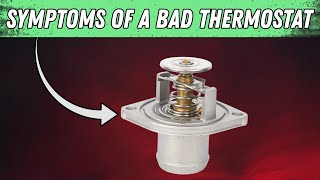
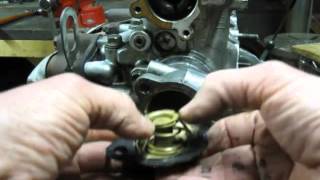
🎬 Watch: 7 common symptoms of a bad or failing thermostat- Engine Overheating: The temperature gauge climbs into the red. This is the most serious symptom, caused by a thermostat stuck closed.
- Engine Running Cold: The temperature gauge never reaches the normal middle position, or it drops while you're driving.
- Poor Heater Performance: If your engine can't get up to temperature, the coolant won't be hot enough to warm the cabin.
- Erratic Temperature Gauge: The needle may swing wildly from hot to cold, indicating the thermostat is struggling to regulate temperature.
- Coolant Leaks: Increased pressure from a stuck-closed thermostat can cause coolant to leak from the thermostat housing or other weak points in the system.
Stop Driving Immediately If Overheating
If you see the temperature gauge in the red or steam coming from the engine, pull over safely and turn off the car. Driving an overheating engine can lead to catastrophic failure, including a warped cylinder head or a blown head gasket.
Choosing the Right Aftermarket Thermostat
For a vehicle like the 1989-2002 Suzuki Swift, aftermarket thermostats are widely available and generally a cost-effective, reliable choice. The original OEM parts may be difficult to find. When choosing a replacement, it's important to select the correct temperature rating, which is typically 180°F (82°C) or 195°F (91°C) for this model. Using the wrong temperature can affect engine performance.
Aftermarket Brand Tiers for Your Swift
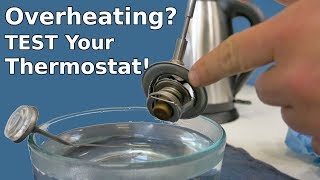
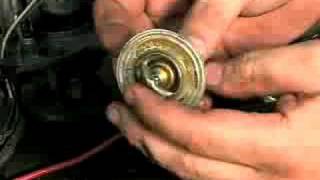
- Good Quality - Trusted Brands: Stant and Gates are well-regarded names in cooling system parts. They are often considered reliable, quality replacements and are a safe bet for most owners. Some users note that even these trusted brands can have quality control issues, so it's always a good idea to test the new part before installation. 🎬 See how to test your new thermostat using boiling water
- Economy Options: Motorad is a very common aftermarket brand. While some users have success with them, others report issues with inconsistent temperature control or premature failure. They can be a budget-friendly choice, but may be a gamble on quality.
- OEM-Sourcing & Specialty Brands: Beck Arnley often sources parts from various manufacturers, sometimes including the original OEM supplier. However, reviews can be mixed, with some reporting quality issues. Calorstat is a well-known European brand that is also available in the US. It is generally considered to be of good quality, sometimes even an OE supplier for European cars.
Pro Tip: Check for Fitment Issues
Some Swift owners have reported issues with aftermarket thermostats not fitting correctly into the housing, even with the correct part number. Before you begin the replacement, compare the new thermostat to the old one to ensure the dimensions and design are identical.
Cost of Replacing a Suzuki Swift Thermostat
| Part/Service | Estimated Cost |
|---|---|
| New Aftermarket Thermostat | $7 - $27 |
| Shop Labor | $75 - $150 |
| Total Professional Replacement | $82 - $177 |
Costs are estimates and may vary based on your location, the specific parts chosen, and your vehicle's condition. Always get a quote from a qualified mechanic.
Frequently Asked Questions
Is it hard to replace the thermostat on a 1989-2002 Suzuki Swift?
No, it is generally considered an easy job for a DIY mechanic. The thermostat is usually located where the upper radiator hose connects to the engine. The job involves draining some coolant, unbolting the housing, swapping the part, and then refilling and bleeding the cooling system. On some Swift engines (like the 1.5L/1.6L), it may be located under the intake manifold, making it more difficult.
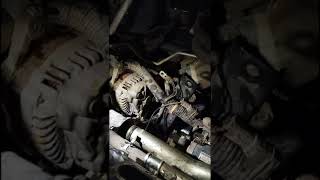
🎬 Watch: Locate the thermostat on Suzuki Swift 1.5L and 1.6L enginesShould I replace the gasket too?
Yes, absolutely. Always replace the thermostat gasket or seal when you replace the thermostat to prevent leaks. Many new thermostats come with a new gasket included.
Are there any recalls for the Suzuki Swift thermostat?
No recalls were found for the engine coolant thermostat on the 1989-2002 Suzuki Swift. A Technical Service Bulletin (TSB) exists regarding the use of the correct type of coolant (Ethylene Glycol Phosphate), but not for thermostat failure itself.
What else should I check when replacing my thermostat?
It's a good time to inspect your radiator hoses for cracks or swelling, check the coolant level and condition, and look for any other leaks in the cooling system. If your car was overheating, you should also confirm the radiator fan is working correctly.
Helpful Videos


Technical Specifications
OEM Part Numbers: 1760085811 1760082850H17 1760050G10
Common opening temperatures are 180°F (82°C) and 195°F (91°C). Diameter is typically 44mm. Always verify the correct temperature for your specific engine and model year.
We Have This Part in Stock


The information in this article is provided for general reference and educational purposes only. Vehicle specifications, procedures, and part compatibility can vary by production date, trim level, and region. Always consult your vehicle's factory service manual and verify part numbers before purchasing or performing repairs. Safety-critical components such as airbags, seat belts, and braking systems should be installed by a qualified professional.
- Suzuki Swift:
- 🎬 Helpful Videos
- 🛍️ Shop This Part
- Is Your Suzuki Swift Overheating or Running Cold?
- Common Symptoms of a Bad Thermostat
- Stop Driving Immediately If Overheating
- Choosing the Right Aftermarket Thermostat
- Aftermarket Brand Tiers for Your Swift
- Pro Tip: Check for Fitment Issues
- Cost of Replacing a Suzuki Swift Thermostat
- Frequently Asked Questions
- 🎟️ Get 5% Off