

Toyota Camry Ignition Knock Sensor: A Guide for 1989-2002 Models
Understand your Camry's knock sensor to prevent engine damage and choose the right replacement part.
- The V6 engine's knock sensors are under the intake manifold, making replacement a high-labor job; always replace both sensors and the harness at the same time.
- For V6 models, use only Genuine Toyota or top-tier aftermarket brands like NGK/NTK or Delphi to avoid premature failure and a repeat repair.
- A faulty knock sensor will cause poor acceleration, reduced fuel economy, and can lead to serious engine damage if ignored.
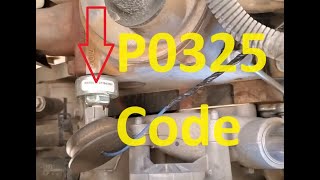
- The most common fault code is P0325; V6 engines may also show P0330 for the second sensor.
Engine Differences Matter

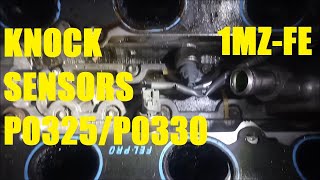
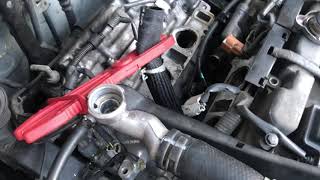
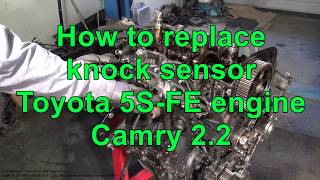
For 1989-2002 Toyota Camrys, the engine type dramatically changes this repair. The 4-cylinder (like the 5S-FE) has a single, relatively accessible knock sensor. 🎬 Watch: Step-by-step replacement for the 2.2L 4-cylinder engine. The V6 engine (like the 1MZ-FE), however, has two knock sensors located in the valley between the cylinder banks, underneath the entire intake manifold. 🎬 See this detailed walkthrough for the V6 intake manifold removal. This makes the V6 replacement a much larger and more expensive job.
V6 Engine Warning
Replacing the knock sensors on a V6 Camry is a significant task requiring the removal of the upper and lower intake manifolds. Because of the high labor involved, it is strongly recommended to replace both sensors and the wiring harness at the same time, even if only one has failed. Using cheap, low-quality sensors is a major risk, as a premature failure means repeating the entire expensive repair.
Choosing the Right Aftermarket Knock Sensor

While a Genuine Toyota sensor is always a safe bet, several aftermarket brands offer a reliable alternative, often at a better price. For a critical sensor like this, especially on the hard-to-access V6, quality is key. Cheap, unbranded sensors are known to fail quickly or be dead-on-arrival, forcing you to do the job twice.
Aftermarket Brand Tiers for Toyota Camry
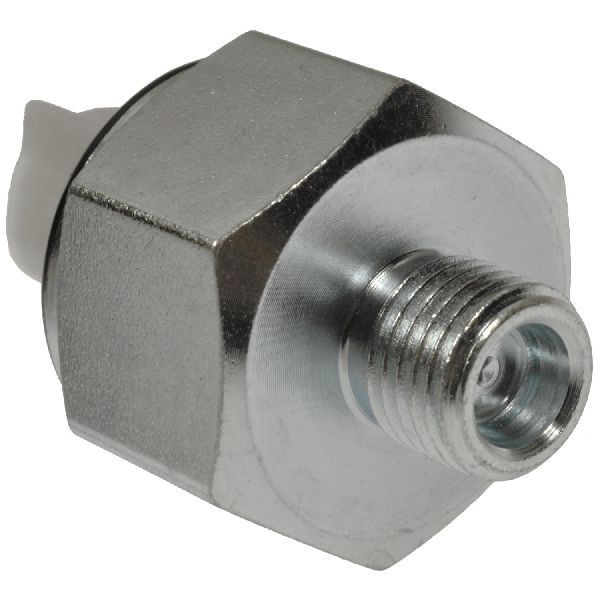
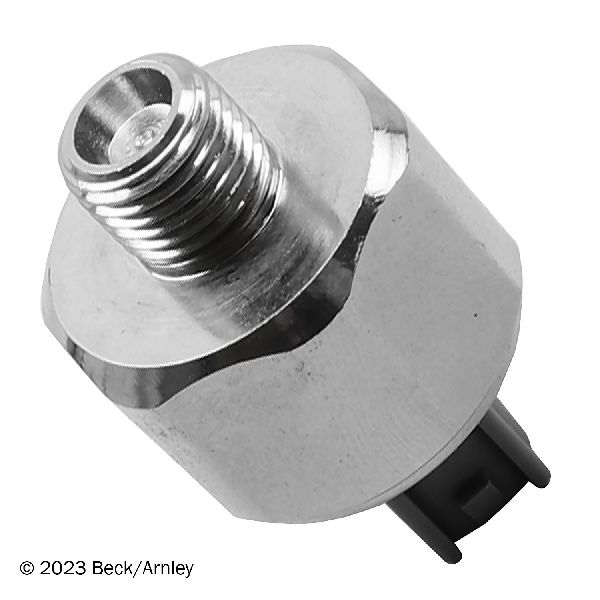
- Top Tier (OEM Quality): Brands like NGK/NTK and Delphi are often original equipment suppliers to many automakers and are highly recommended by mechanics. Beck Arnley is also a strong choice, as they often re-package genuine OEM parts in their own box. Standard Ignition (SMP) is another well-regarded brand for sensors.
- Mid-Grade: Brands like Walker Products and Holstein can be a good balance of price and quality, but may not have the same long-term reliability record as top-tier brands for this specific part.
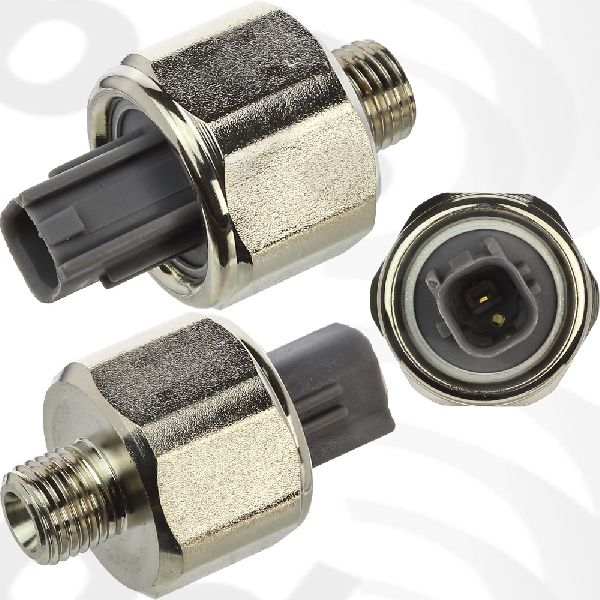
- Economy Tier: Brands like URO Parts, Global Parts, and True Tech are budget-focused. While tempting for their low price, they are a significant gamble for the V6 engine due to the high labor cost of replacement. They might be considered for the more easily accessible 4-cylinder sensor if budget is the primary concern.
Pro Tip: Replace the Harness
On V6 models, the knock sensor wiring harness sits in the hot engine valley and becomes brittle over time. It is a common failure point. Always replace the harness when you replace the sensors. Aftermarket harnesses are widely available from brands like Dorman, Standard, and Holstein.
Cost to Replace a Toyota Camry Knock Sensor

| Part/Service | Estimated Cost |
|---|---|
| New OEM Sensor(s) | $130 - $260 (V6 requires two) |
| New Aftermarket Sensor(s) | $38 - $200 (V6 requires two) |
| Shop Labor (4-Cylinder) | $100 - $200 |
| Shop Labor (V6) | $265 - $450+ |
Frequently Asked Questions (FAQ)

Why is the V6 knock sensor replacement so much more expensive?
The V6 engine has two sensors located under the lower intake manifold. To access them, a mechanic must remove the upper and lower intake plenums, fuel rail, and other components. This is a labor-intensive job, often taking 3-5 hours, which is why the labor cost is much higher than for the 4-cylinder engine.
Can I ignore a knock sensor code like P0325?
No. When the ECU detects a fault with the knock sensor, it can no longer protect the engine from harmful detonation. As a safety measure, it will often retard the ignition timing, which leads to poor acceleration, bad fuel economy, and may even disable overdrive on automatic transmissions. Ignoring it can lead to long-term engine damage.
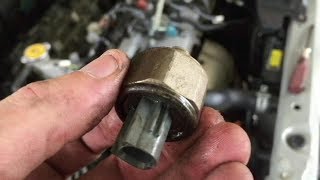
🎬 Learn how to test for symptoms before starting your repair.Is an OEM sensor really worth the extra cost?
For the V6 engine, yes. The cost of an OEM or top-tier aftermarket sensor (like NGK/NTK or Delphi) is a small insurance policy against having to pay for the high labor costs a second time. For the much more accessible 4-cylinder sensor, a mid-grade aftermarket part is a more reasonable choice if you are on a budget.
Do I need a special tool to replace the sensor?
For many 4-cylinder models, the sensor can be removed with a 27mm deep well socket. The V6 sensors are typically removed with a smaller socket (often 12mm or similar). The most important part of the installation is tightening the sensor to the correct torque specification, which is critical for it to function correctly.
Helpful Videos



Technical Specifications
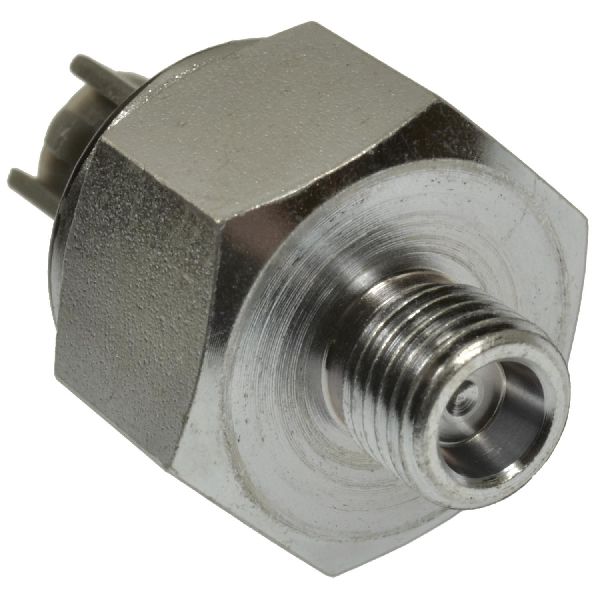
OEM Part Numbers: 89615-12090 89615-12050 89615-32010 89615-12040 89615-06010
The 1989-2002 Camry used both 4-cylinder (e.g., 5S-FE) and V6 (e.g., 1MZ-FE) engines. The 4-cylinder uses one knock sensor, typically requiring a 27mm socket for removal. The V6 uses two sensors located under the intake manifold. The wiring harness for the V6 is a common failure point and should be replaced with the sensors.
We Have This Part in Stock


The information in this article is provided for general reference and educational purposes only. Vehicle specifications, procedures, and part compatibility can vary by production date, trim level, and region. Always consult your vehicle's factory service manual and verify part numbers before purchasing or performing repairs. Safety-critical components such as airbags, seat belts, and braking systems should be installed by a qualified professional.
- Toyota Camry: