

Chevrolet Tracker 1989-2004 Universal Joint: A Guide to Replacement and Brands
Hearing clunks, squeaks, or vibrations from your Tracker? Your U-joints are a likely suspect.
- Do not ignore clunks or vibrations; U-joint failure can be dangerous.
- For maximum durability, especially for off-road use, choose a premium non-greaseable U-joint from Spicer.
- The U-joints on your Tracker are serviceable with circlips; do not let a shop tell you the entire driveshaft must be replaced.
- DIY replacement is possible but requires a press or a large vise and sockets to remove and install the press-fit joints.
Symptoms of a Bad U-Joint
A failing U-joint gives several warning signs. Ignoring them can be dangerous, as a complete failure can cause the driveshaft to detach from the vehicle. Listen and feel for these symptoms:
- Squeaking or Chirping Noises: A rhythmic squeak that changes with vehicle speed, often heard at 5-10 mph, is a classic sign of a dry, failing U-joint. This is usually the first warning.
- Clunking Sounds: A distinct "clunk" or ringing noise when you shift from drive to reverse, or during acceleration, points to excessive play in a worn U-joint.
- Vibrations: A vibration that you can feel through the floor or seat, especially at highway speeds, can be caused by a worn and unbalanced U-joint. This can sometimes be confused with a tire balance issue, but U-joint vibrations often change with acceleration or deceleration.
- Visible Rust Dust: A fine red or orange dust around the U-joint bearing caps is a sign that the needle bearings inside have turned to dust from lack of lubrication.
Safety Warning: Critical Failure
If a U-joint breaks completely, the driveshaft can fall, digging into the pavement and potentially causing you to lose control of your Tracker. At the first sign of serious vibration or loud clunking, have the vehicle inspected immediately.
Choosing the Right Aftermarket U-Joint
For a vehicle like the 1989-2004 Tracker, new OEM U-joints are likely unavailable or difficult to source. High-quality aftermarket parts are readily available and often meet or exceed original specifications. Your choice depends on your budget and how you use your Tracker.
Brand Tiers for Your Tracker
Based on owner experiences and mechanic recommendations, aftermarket U-joints fall into a few quality tiers.
Premium Tier: Dana/Spicer
Spicer is widely considered the top choice for U-joints and is an original equipment supplier for many manufacturers. They are known for their strength and durability, making them the best option for off-road use, towing, or for owners who want the longest-lasting part. Many experienced mechanics recommend using Spicer's non-greaseable (solid) U-joints, as they are sealed better from the factory and are generally stronger than greaseable versions.
Mid-Grade Tier: Moog
Moog has historically been a trusted name in aftermarket chassis parts. However, in recent years, owner feedback has become mixed. While still considered a step up from budget brands, some users report inconsistent quality. A Moog U-joint can be a good choice, but it may not have the same guaranteed quality that Spicer is known for today.
Economy Tier: GMB
GMB is a well-known manufacturer of budget-friendly aftermarket parts. These U-joints are a suitable replacement for a daily driven Tracker under normal conditions. While they may not offer the ultimate strength or longevity of a Spicer joint, they provide a functional and affordable solution to get your vehicle back on the road safely.
A Note on "Unserviceable" Joints
Some repair shops may mistakenly tell you that the U-joints on a Tracker are staked in and cannot be replaced individually. This is incorrect. The U-joints on 1989-2004 Trackers are held in with circlips and are fully serviceable. If a shop tells you the entire driveshaft needs to be replaced, it is best to get a second opinion.
Chevrolet Tracker U-Joint Cost
| Part/Service | Estimated Cost | Notes |
|---|---|---|
| New Aftermarket U-Joint (Part Only) | $16.08 - $58.20 | Price depends on brand (GMB, Moog, Spicer). |
| Shop Labor | $150 - $300 | Covers 1-2 hours of labor. May be higher in rust-prone areas. |
| Total Professional Replacement | $170 - $360+ | Total cost per U-joint replaced. |
Frequently Asked Questions
How many U-joints does my Chevrolet Tracker have?
A 2WD Tracker has two U-joints on its rear driveshaft. A 4WD model has a rear driveshaft (two U-joints) and a front driveshaft (two U-joints), for a total of four.
Can I replace a Tracker U-joint myself?
Yes, this is a DIY-feasible job if you have the right tools. You will need a heavy-duty vise, a press, or a large hammer and socket set to press the old joint out and the new one in. Rust can make removal very difficult on an older vehicle. If you are not comfortable with this process, a professional mechanic can do the job relatively quickly.
Should I get greaseable or non-greaseable U-joints?
Non-greaseable (solid) joints, like those offered by Spicer, are generally considered stronger and longer-lasting because they have no hollow channels for grease and are better sealed from the factory. Greaseable joints allow you to push out water and contaminants, but they must be serviced regularly. For most users, a high-quality non-greaseable joint is the preferred, lower-maintenance option.
Are there any recalls for the 1989-2004 Tracker U-joint?
No. Searches of the National Highway Traffic Safety Administration (NHTSA) database did not find any recalls or technical service bulletins (TSBs) specifically related to universal joints for the 1989-2004 Chevrolet Tracker.
Technical Specifications
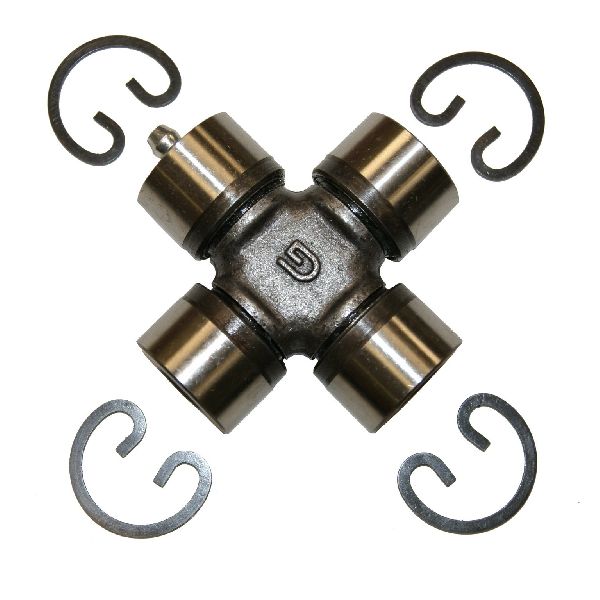
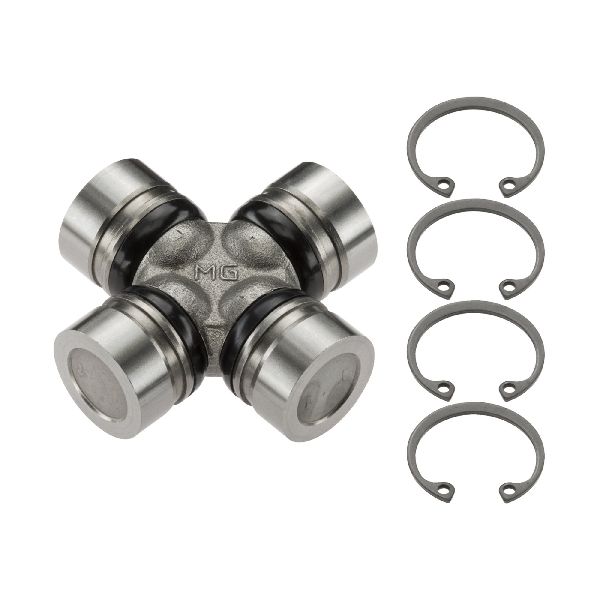
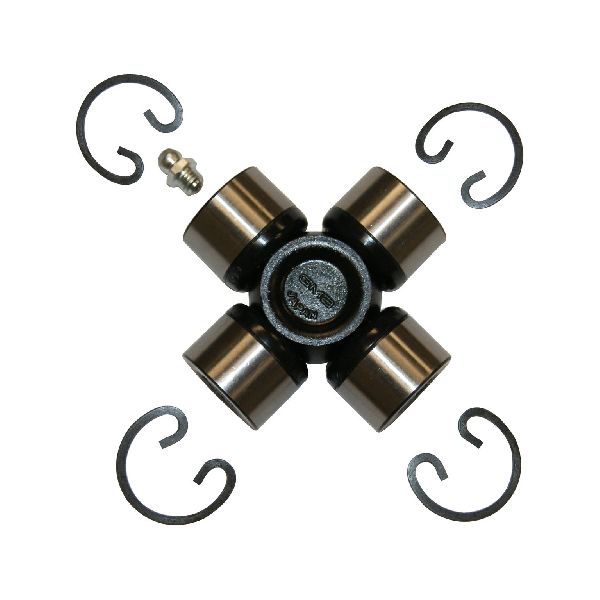
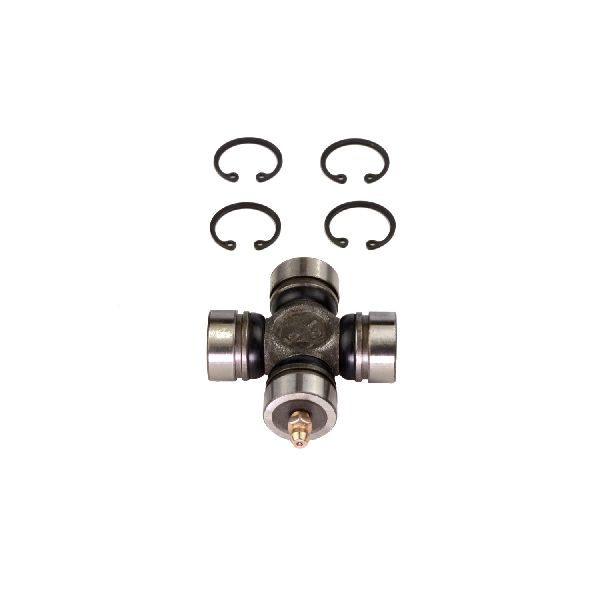
The universal joints for the 1989-2004 Chevrolet Tracker are a press-fit design, secured in the driveshaft yokes by internal or external circlips (snap rings).
We Have This Part in Stock

The information in this article is provided for general reference and educational purposes only. Vehicle specifications, procedures, and part compatibility can vary by production date, trim level, and region. Always consult your vehicle's factory service manual and verify part numbers before purchasing or performing repairs. Safety-critical components such as airbags, seat belts, and braking systems should be installed by a qualified professional.
- Chevrolet Tracker: