

Dodge Monaco Oxygen Sensor Guide: Choosing the Right Part for 1990-1992 Models
If your Monaco is running rough or failing emissions, the oxygen sensor is a likely suspect—here's how to choose the right replacement.
- A failing O2 sensor will cause poor gas mileage, rough running, and failed emissions tests.
- No recalls or TSBs exist for this part; diagnosis relies on symptoms.
- Choose a direct-fit sensor from a premium brand like Bosch, Denso, or NGK for best results, as Bosch may have been the original part.
- Replacement is a feasible DIY job, but the sensor can be difficult to remove if rusted in place.
Signs of a Failing Oxygen Sensor in a 1990-1992 Dodge Monaco
Since these vehicles use an older OBD1 diagnostic system, a Check Engine Light won't always give you a specific code, making it important to recognize the symptoms of a bad O2 sensor. A failing sensor sends bad data to the engine computer, leading to an incorrect air-fuel mixture. Look for these common signs:
- Poor Fuel Economy: One of the most common signs is a sudden drop in gas mileage as the engine computer may be tricked into injecting too much fuel.
- Rough Idle or Stalling: Your Monaco might idle unevenly, vibrate when stopped, or even stall.
- Loss of Power: The car may feel sluggish, hesitate when you accelerate, or feel generally weak.
- Failed Emissions Test: An incorrect air-fuel mixture leads to higher levels of pollutants, which will cause you to fail a smog check.
- Gasoline or Rotten Egg Smell: If the engine runs too rich (too much fuel), you might smell raw gasoline or a sulfur-like, rotten-egg odor from the tailpipe.
No Specific Recalls or TSBs
Searches of the National Highway Traffic Safety Administration (NHTSA) database show recalls for the 1990-1992 Dodge Monaco related to brakes, steering, and seat belts, but none for the oxygen sensor itself. No specific Technical Service Bulletins (TSBs) for this part were found. Diagnosis must be based on symptoms and testing.
Choosing the Right Aftermarket Oxygen Sensor
For a vehicle like the 1990-1992 Monaco, an aftermarket oxygen sensor is a practical and cost-effective choice. However, quality varies significantly between brands. Here’s a breakdown of the available options, from premium to economy.
Tier 1: Premium & OEM-Equivalent Brands
These brands are known for making original equipment parts for many automakers and have a strong reputation for quality and reliability. Given the Monaco's Renault/European origins, Bosch is a particularly strong choice.
- Bosch: Often the original equipment supplier for European vehicles. Many professional mechanics consider Bosch the go-to for sensors on cars with European engineering. A specific Bosch part number is even cross-referenced for the PRV V6 engine family used in your Monaco.
- Denso & NGK (NTK): While famous as OEM suppliers for Japanese cars, Denso and NGK (which sells sensors under the NTK brand) are universally respected for their high-quality aftermarket sensors that often meet or exceed OEM standards.
Tier 2: Standard Aftermarket Brands
These brands offer a balance of value and quality, and are generally considered reliable for most repairs.
- Delphi: A major OEM supplier for American brands, Delphi has a solid reputation for producing dependable aftermarket electronic parts.
Tier 3: Economy Brands
These brands are the most budget-friendly, but some owners report mixed results. They may be a viable option if cost is your primary concern, but carry a higher risk of issues.
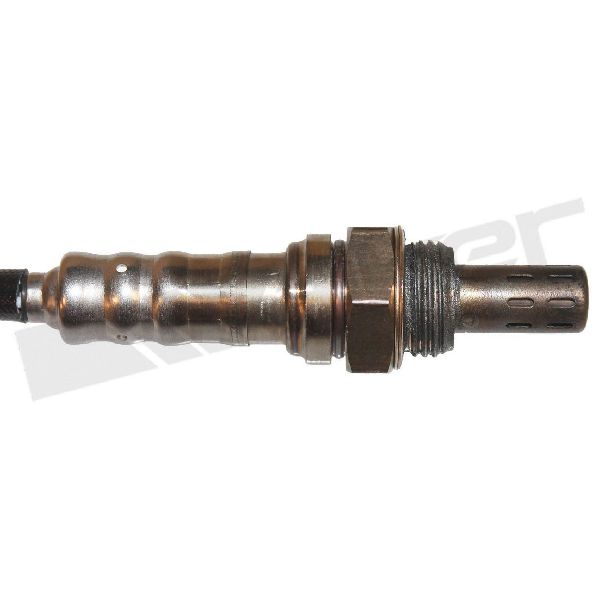
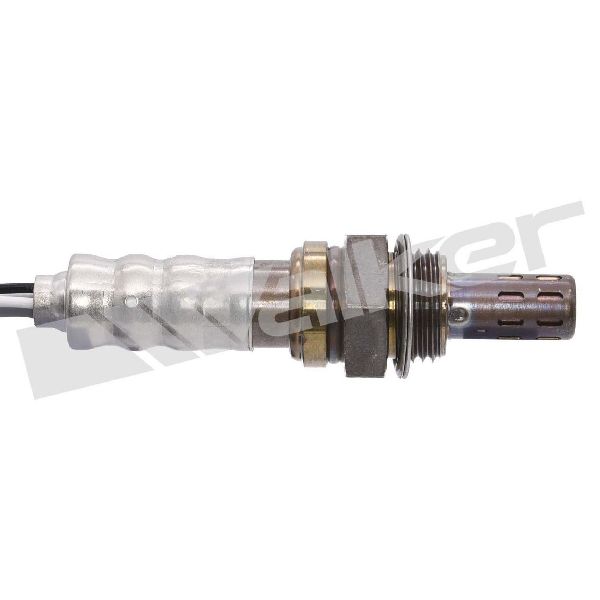
- Walker Products & Spectra: These brands are widely available and very affordable. However, forum discussions show mixed reviews, with some users reporting premature failures or out-of-the-box issues.
Direct-Fit vs. Universal Sensors
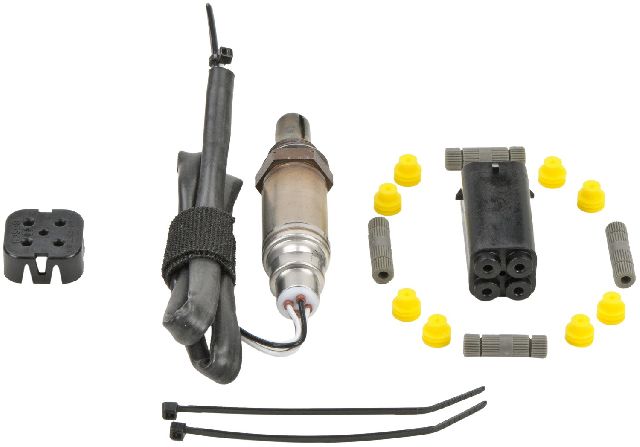
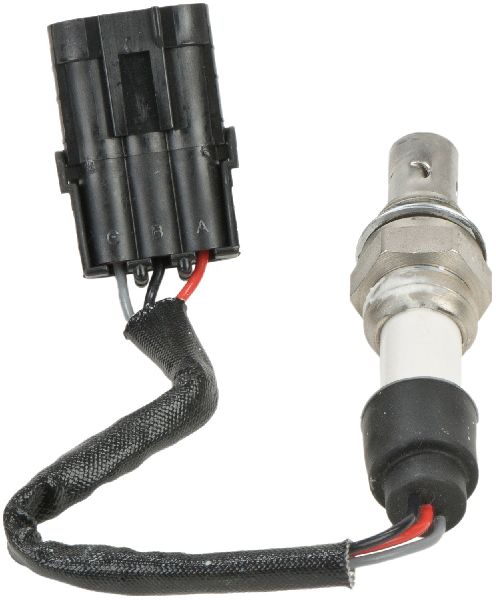
Always choose a "direct-fit" sensor for your Monaco. These come with the correct electrical connector for a simple plug-and-play installation. A "universal" sensor requires you to cut your old connector off and splice it onto the new sensor's wires, which can lead to connection problems if not done perfectly.
Cost of Replacing a Dodge Monaco Oxygen Sensor
The cost will depend on whether you do the job yourself or hire a mechanic. The part itself is affordable, and labor is minimal.
| Item | Estimated Cost |
|---|---|
| New Aftermarket O2 Sensor | $25 - $143 |
| Shop Labor | $60 - $120 |
| Total Professional Replacement | $85 - $263 |
Cost estimates are for a single sensor and may vary by location and shop.
Frequently Asked Questions (FAQ)
How many oxygen sensors does a 1990-1992 Dodge Monaco have?
The 3.0L V6 engine in this Monaco typically has one "upstream" oxygen sensor. It is located in the exhaust system before the catalytic converter. Unlike modern cars, it does not have downstream sensors after the converter.
Can I clean my old oxygen sensor?
It is not recommended. Contaminants that cause a sensor to fail are often internal. While some cleaners exist, they are rarely a permanent solution. Given the low cost of a new sensor, replacement is the only reliable repair.
What happens if I don't replace a bad O2 sensor?
You will continue to experience poor engine performance, bad gas mileage, and high emissions. Over time, running a rich fuel mixture can damage your catalytic converter, which is a much more expensive repair.
Is this a difficult part to replace myself?
For a DIYer, this is usually a straightforward job. The main challenge is that the sensor can be rusted and seized in the exhaust pipe. You will need a special O2 sensor socket that has a slot for the wire. Soaking the sensor in penetrating oil for a day before trying to remove it is highly recommended.
Technical Specifications
OEM Part Numbers: 5277374 4713876
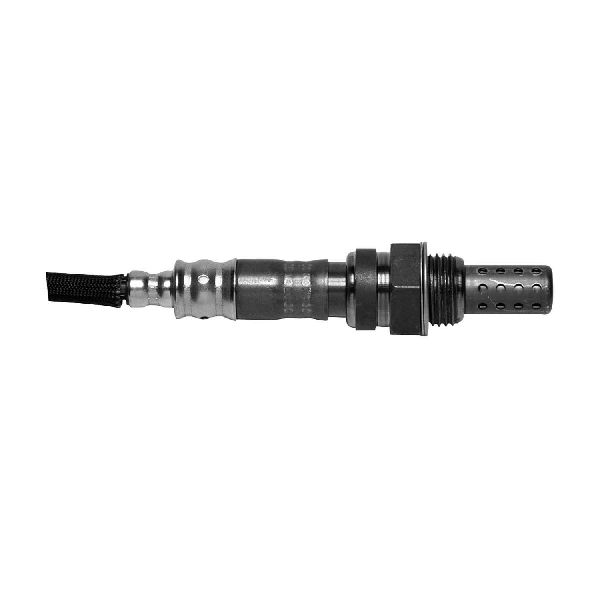
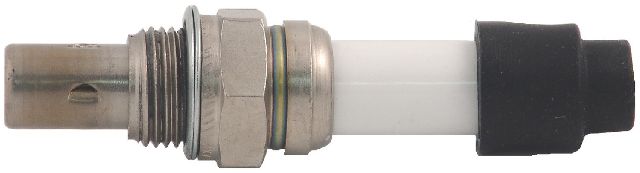
The 1990-1992 Dodge Monaco with the 3.0L V6 engine uses a single, upstream oxygen sensor. It is typically a heated, 3-wire or 4-wire sensor with a direct-fit connector.
We Have This Part in Stock

The information in this article is provided for general reference and educational purposes only. Vehicle specifications, procedures, and part compatibility can vary by production date, trim level, and region. Always consult your vehicle's factory service manual and verify part numbers before purchasing or performing repairs. Safety-critical components such as airbags, seat belts, and braking systems should be installed by a qualified professional.
- Dodge Monaco:
- 🛍️ Shop This Part
- Signs of a Failing Oxygen Sensor in a 1990-1992 Dodge Monaco
- No Specific Recalls or TSBs
- Choosing the Right Aftermarket Oxygen Sensor
- Tier 1: Premium & OEM-Equivalent Brands
- Tier 2: Standard Aftermarket Brands
- Tier 3: Economy Brands
- Direct-Fit vs. Universal Sensors
- Cost of Replacing a Dodge Monaco Oxygen Sensor
- Frequently Asked Questions (FAQ)
- 🎟️ Get 5% Off