

Choosing the Right Disc Brake Rotors for Your 1990-1994 BMW 320i
Stop the guesswork and find the best new aftermarket brake rotors for your E36 BMW.
- Pulsing or shaking during braking is the most common sign of bad rotors on the E36.
- High-quality aftermarket brands like Zimmermann and Brembo offer OEM-level performance for less money.
- Choose coated rotors to prevent rust on the hub, a common issue that affects appearance.
- For daily driving, plain (blank) rotors are the best choice; drilled or slotted rotors are unnecessary.
Is It Time for New Rotors?
Brake rotors are a wear-and-tear item, just like brake pads. Knowing when to replace them is key to keeping your BMW's braking system in top shape. Ignoring the signs can lead to poor stopping performance and damage to other brake components.
Symptoms of a Bad Disc Brake Rotor
Pay attention to how your car feels and sounds when you brake. These are the most common signs that your rotors need attention:
- Pulsing or Shaking: If you feel a pulsing in the brake pedal or a shake in the steering wheel when you brake, your rotors are likely warped. This is the most common symptom for the E36.
- Grinding or Scraping Noises: A loud grinding sound means the brake pads have worn down completely and metal is grinding against the rotor. This is a serious issue that requires immediate attention.
- Visible Grooves or Ridges: If you can see deep lines or grooves on the surface of the rotor, it's a sign of uneven wear.
- Reduced Stopping Power: If your car takes longer to stop than it used to, worn rotors could be a contributing factor.
Known Issues for the 1990-1994 BMW 320i
The most frequent problem E36 owners face with rotors is them becoming seized to the wheel hub due to rust. During replacement, this may require significant force with a hammer to break them free. The small 6mm hex screw that holds the rotor in place is also known to strip easily, so care must be taken during removal. No recalls or technical service bulletins (TSBs) have been issued by the NHTSA for brake rotors on this specific vehicle.
Choosing the Right Aftermarket Rotor
For the E36 320i, you don't need to buy expensive Genuine BMW parts to get great performance. Many aftermarket brands are OEM (Original Equipment Manufacturer) suppliers, meaning they make the parts for BMW in the first place. Here’s how the available brands stack up for your car.
Tier 1: OEM-Equivalent Brands
These brands are known to produce rotors for BMW or meet the exact same quality standards. They are the best choice for most owners who want factory performance without the dealer price tag.
- Zimmermann: A top choice for E36 owners. They are a German OEM supplier and offer excellent quality. Look for their "Coat Z" or other coated versions to prevent rust on the hub, which keeps your wheels looking clean.
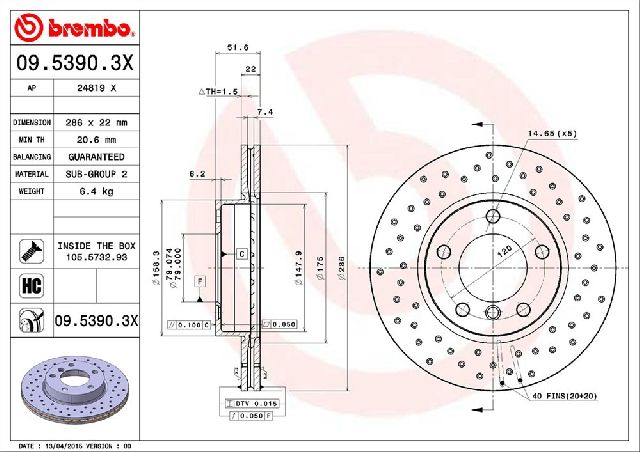
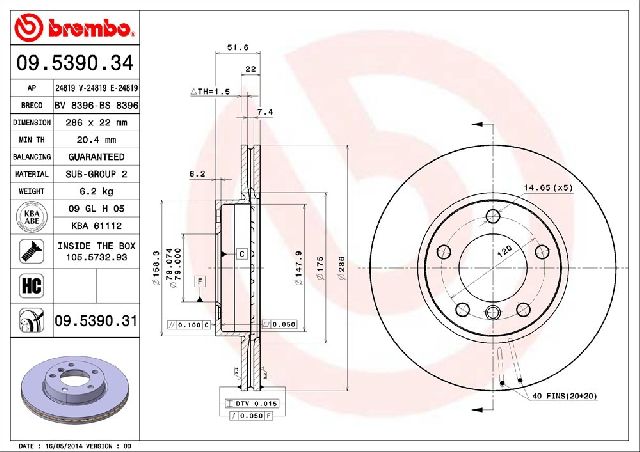
- Brembo: Famous for performance brakes, their standard replacement rotors are also excellent. Like Zimmermann, their UV-coated rotors are recommended to fight corrosion.
Tier 2: Quality Aftermarket & Performance Brands
These brands offer a mix of solid daily-driver options and performance upgrades.
- Centric: A very popular and solid choice for a daily driver. Their premium coated rotors (often with an 'e-coating') are worth the small extra cost over basic rotors to prevent rust.
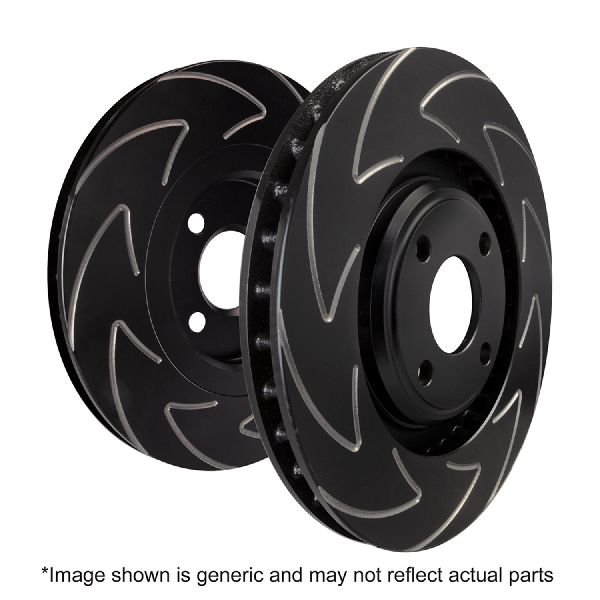
- EBC Brakes: If you're looking for a performance upgrade for more aggressive driving, EBC is a go-to brand. They offer slotted and dimpled rotors that can help with cooling, though for regular street driving, their benefits are minimal compared to a good set of pads.
- Raybestos: A well-known name in brakes, offering reliable standard replacement parts.
Tier 3: Value-Oriented Brands
These brands focus on providing a functional part that meets OE specifications for fit and form.
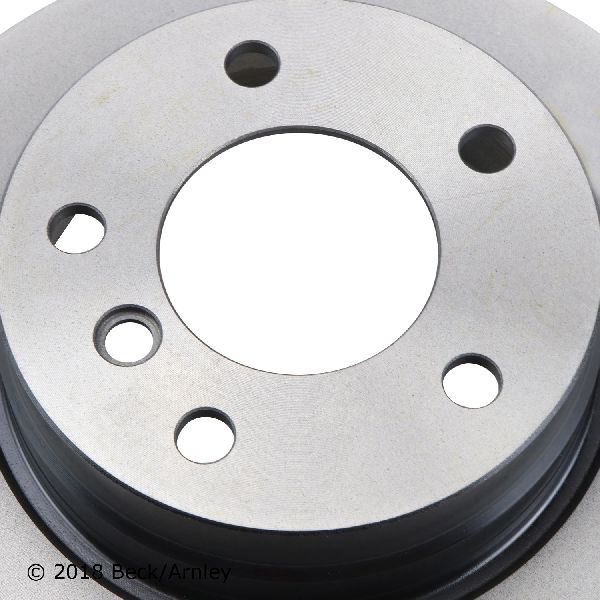
- Beck Arnley: This brand sources parts from various global manufacturers to match the original part's form and function, making them a reliable OE-style replacement.
Pro Tip: Blank, Drilled, or Slotted?
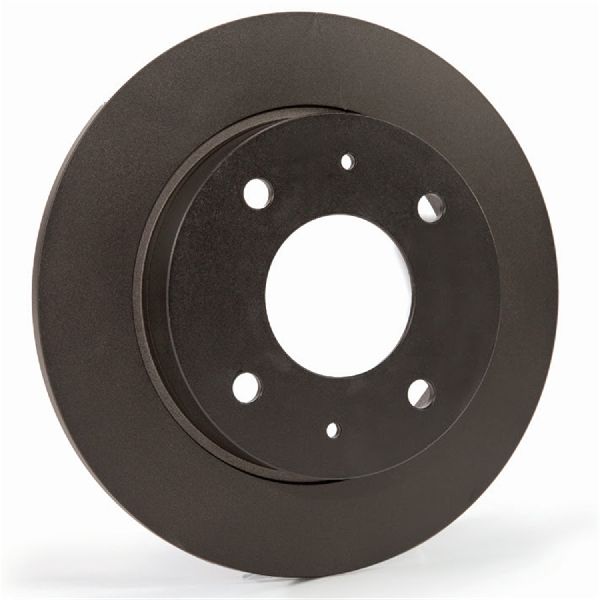
For a 320i used for daily driving, standard "blank" rotors from a quality brand like Zimmermann or Brembo are the best choice. They offer the best combination of performance, durability, and value. Drilled or slotted rotors are designed for high-performance or track driving to dissipate extreme heat and offer little benefit for street use.
How Much Do New Brake Rotors Cost?
The cost can vary widely based on the brand you choose and whether you do the work yourself.
| Part Type | Estimated Cost (Per Pair) |
|---|---|
| New Aftermarket (Standard) | $95 - $200 |
| New Aftermarket (Coated/Performance) | $200 - $450 |
| New OEM (Genuine BMW) | $250 - $400+ |
| Shop Labor | $250 - $450 |
Frequently Asked Questions
Do I need to replace my brake pads at the same time?
Yes. Always install new brake pads when you install new rotors. Putting old, worn pads on new rotors will cause uneven wear and reduce their lifespan and performance.
Should I replace rotors in pairs?
Absolutely. Brake rotors must always be replaced in pairs (both front wheels or both rear wheels) to ensure even braking and prevent the car from pulling to one side.
What's the difference between front and rear rotors on my 320i?
The front rotors on your 1990-1994 320i are larger and vented to handle the majority of the braking force. The rear rotors are smaller and solid. You cannot mix them up.
Can I do this job myself?
Yes, replacing the brake rotors on an E36 is a common and straightforward DIY job for someone with basic mechanical skills and the right tools. The most common hurdles are removing the old, rusted rotor from the hub and dealing with the small retaining screw.
Technical Specifications
OEM Part Numbers: 34111160674 34116864060 34211164401 34216864051
Front Rotor Diameter: 286mm (Vented). Rear Rotor Diameter: 280mm (Solid). Bolt Pattern: 5-lug.
We Have This Part in Stock

The information in this article is provided for general reference and educational purposes only. Vehicle specifications, procedures, and part compatibility can vary by production date, trim level, and region. Always consult your vehicle's factory service manual and verify part numbers before purchasing or performing repairs. Safety-critical components such as airbags, seat belts, and braking systems should be installed by a qualified professional.
- BMW 320i:
- 🛍️ Shop This Part
- Is It Time for New Rotors?
- Symptoms of a Bad Disc Brake Rotor
- Known Issues for the 1990-1994 BMW 320i
- Choosing the Right Aftermarket Rotor
- Tier 1: OEM-Equivalent Brands
- Tier 2: Quality Aftermarket & Performance Brands
- Tier 3: Value-Oriented Brands
- Pro Tip: Blank, Drilled, or Slotted?
- How Much Do New Brake Rotors Cost?
- Frequently Asked Questions
- 🎟️ Get 5% Off