

A Mechanic's Guide to the 1990-1994 Ford Ranger Drum Brake Hardware Kit
Don't let worn-out springs and clips ruin your rear brake job; here's what you need to know.
- Always replace the drum brake hardware kit when you replace your brake shoes.
- Weak or broken springs are the primary cause of dragging, noise, and poor performance in an old drum brake system.
- Work on one side at a time to use the other as a reference, preventing incorrect assembly.
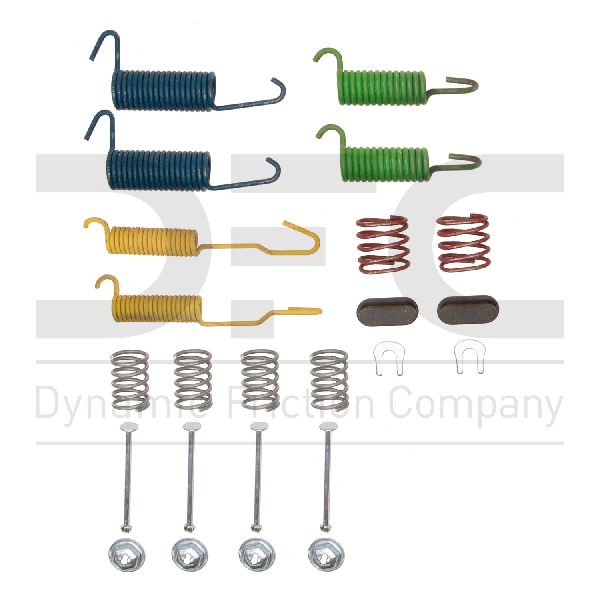
- Quality aftermarket brands like Centric or Dynamic Friction are excellent choices as OEM parts are likely unavailable.
Why Replace The Hardware?
If you're replacing the rear brake shoes on your 1990-1994 Ford Ranger, you must also replace the drum brake hardware kit. Over 30 years of heat cycles, moisture, and constant tension cause the springs to weaken and become brittle. Rusted or fatigued hardware can't properly pull the shoes back from the drum, leading to dragging, noise, and accelerated wear on your new parts. 🎬 Watch this detailed walkthrough of Ranger rear drum brake service. Reusing old hardware is a common mistake that will cost you time and money down the road. For the low cost of a new kit, you ensure your brake system works correctly and quietly.
Symptoms of Failing Drum Brake Hardware
Worn-out hardware often shows symptoms before it completely fails. Keep an ear out for these warning signs:
- Scraping or Grinding Noises: When you apply or release the brakes, you might hear scraping sounds. This can happen when a broken spring allows a shoe to make improper contact with the drum.
- Spongy or Low Brake Pedal: If the springs aren't retracting the shoes properly, the self-adjuster mechanism may not work correctly, leading to excessive pedal travel before the brakes engage.
- Parking Brake Issues: A weak or failed parking brake can be a sign of worn hardware. The springs and levers in the kit are essential for the parking brake's operation.
- Dragging Brakes: Weak return springs may not be strong enough to pull the shoes away from the drum, causing constant friction, heat, and a feeling that the truck is being held back.
No Recalls or TSBs Found
Searches for official recalls or Technical Service Bulletins (TSBs) from Ford or the NHTSA specifically for the drum brake hardware on the 1990-1994 Ford Ranger did not yield any results. Issues with these components are typically due to age and wear rather than a manufacturing defect.
Choosing the Right Aftermarket Kit
For a vehicle of this age, OEM Ford/Motorcraft hardware kits are generally unavailable or discontinued. The aftermarket offers several reliable options that meet or exceed original specifications. Since the rear brakes handle only about 20-30% of the braking force, a quality standard replacement kit is all you need for safe, normal driving.
- Good - Standard Replacement (Carlson, Dorman): These brands offer complete kits that provide all the necessary components for a standard brake job. They are a cost-effective solution for restoring original brake function and are perfectly adequate for a daily driven Ranger.
- Better - OE-Quality (Centric, Dynamic Friction): Brands like Centric are widely regarded as providing good, OE-quality parts for the money. While Dynamic Friction is better known for its performance pads and rotors, its reputation for quality suggests their hardware kits are a solid choice for a durable, long-lasting repair.
Pro Tip: One Side at a Time
When doing the replacement yourself, only disassemble one side at a time. Leave the other side intact so you have a complete, correct reference for how all the springs and clips are supposed to be assembled. 🎬 See a step-by-step guide on replacing these rear brakes. Taking a few photos with your phone before you start can also be a lifesaver.
Aftermarket Drum Brake Hardware Kit Cost
| Brand | Estimated Price |
|---|---|
| Carlson | $10 - $17 |
| Centric | $11 - $18 |
| Dorman | $11 - $18 |
| Dynamic Friction | $12 - $18 |
*Prices are estimates and may vary based on retailer and specific kit contents. Price range based on provided data.
Frequently Asked Questions
Why can't I just reuse my old springs if they look okay?
Metal springs lose their tension over time due to millions of compression and expansion cycles, as well as heat from braking. A spring that looks okay might not have the strength to pull the brake shoe back effectively, leading to dragging and premature wear on your new shoes. For their low cost, replacement is always the best practice.
What special tools are needed for this job?
While you can often struggle through with pliers and screwdrivers, a set of brake spring pliers and a hold-down spring tool will make the job significantly easier and safer. These tools are designed to handle the high tension of the springs without slipping.
🎬 Watch a DIY demonstration of the drum brake replacement process.Does one kit cover both rear wheels?
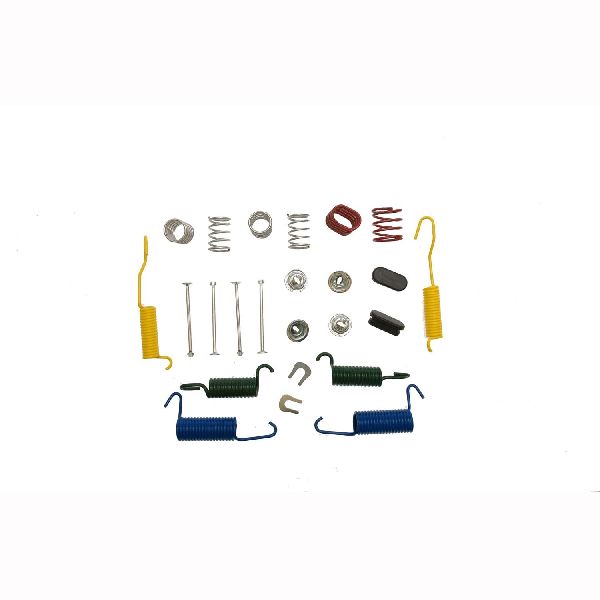
Yes, a single drum brake hardware kit typically contains all the springs, pins, and clips needed to service both the left and right rear wheels.
What's the most common mistake when replacing drum brake hardware?
Aside from reusing old parts, the most common mistake is mixing up the left and right side hardware or installing the self-adjuster mechanism backward. This is why it's critical to only work on one side at a time, using the other as a visual guide.
Do I need to lubricate anything during installation?
Yes. You should apply a small amount of high-temperature brake grease to the contact points on the backing plate where the brake shoes rub. This allows the shoes to move smoothly and prevents squeaking. Also, clean and lubricate the threads of the star adjuster.
Helpful Videos
Technical Specifications
Fits 9-inch or 10-inch rear drum brakes, depending on vehicle configuration. Kits typically include return springs, hold-down springs, pins, clips, and adjuster components.
We Have This Part in Stock

The information in this article is provided for general reference and educational purposes only. Vehicle specifications, procedures, and part compatibility can vary by production date, trim level, and region. Always consult your vehicle's factory service manual and verify part numbers before purchasing or performing repairs. Safety-critical components such as airbags, seat belts, and braking systems should be installed by a qualified professional.
- Ford Ranger: