

A Ford Ranger Owner's Guide to the 1990-1994 Idle Air Control Valve
If your Ranger has a rough, surging, or stalling idle, the Idle Air Control valve is a likely suspect.
- A bad IAC valve is a very common cause of idle problems on 1990-1994 Rangers.
- Symptoms include rough idle, stalling, and unusually high idle speed.
- Many owners report problems with cheap aftermarket IAC valves; using OEM (Motorcraft) or a premium brand like Hitachi is highly recommended.
- Replacement is simple, requiring only basic hand tools and about 30 minutes.
Is Your Ranger's Idle Acting Up?

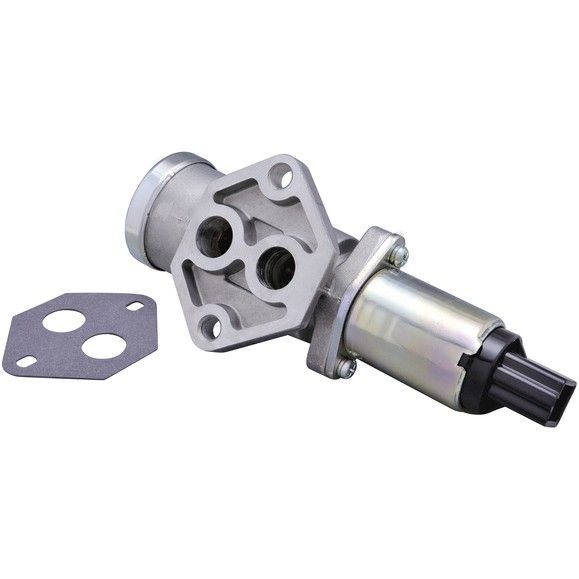
A failing Idle Air Control (IAC) valve is one of the most common causes of idle problems in first and second-generation Ford Rangers. Over time, the valve gets clogged with carbon, or the small electric motor inside simply wears out. When it fails, it can't properly regulate the air entering the engine at idle, leading to a host of annoying and sometimes confusing symptoms.
Symptoms of a Bad IAC Valve

A bad IAC valve can make your truck frustrating to drive in stop-and-go traffic. The symptoms can appear suddenly and may not always trigger a Check Engine Light on these older OBD-I trucks. Watch for:
- Rough or Bouncing Idle: The engine RPMs may jump up and down unpredictably while you're stopped.
- Stalling: The engine may stall when you come to a stop or when you let off the gas. This is especially common when the valve is stuck closed.
- High Idle: The engine might idle very high, sometimes over 2,000 or 3,000 RPM, making it feel like the truck wants to lurch forward. This happens when the valve is stuck open.
- Howling Noise: Some owners report a strange howling or "moose call" sound coming from the engine bay at idle, which is caused by air passing incorrectly through the failing valve.
- Difficulty Starting: While less common, a completely failed IAC can sometimes contribute to a no-start condition unless you press the gas pedal slightly.
Check for Vacuum Leaks First
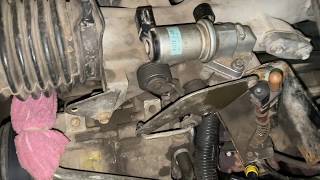
🎬 Watch: An easy way to check if your valve is working.Many IAC symptoms can also be caused by a vacuum leak from a cracked or disconnected hose. Before replacing the IAC, take a moment to inspect all the vacuum lines connected to the intake manifold, especially the rubber elbows which can crack with age.
Choosing the Right Aftermarket Part

When it comes to the IAC valve on this generation of Ford Ranger, not all parts are created equal. While saving money is always a goal, choosing the cheapest option can lead to more headaches.
OEM vs. Aftermarket
Ford Ranger owner forums are filled with stories of frustration with low-quality aftermarket IAC valves. Many owners report that cheap, unbranded parts fail quickly or don't work correctly right out of the box. Some aftermarket parts are even built differently internally, causing a persistent high idle that cannot be fixed. For this specific part, a genuine Motorcraft valve is the most reliable choice. However, if you opt for an aftermarket part, choosing a reputable brand is critical.
Aftermarket Brand Tiers
Based on general market reputation and mechanic feedback, here's how the available brands stack up:
- Hitachi: Often considered a premium aftermarket brand, Hitachi is known for making original equipment parts for many Japanese automakers and has a strong reputation for quality. Some mechanics consider them to be on par with OEM for certain applications. If you can't get a Motorcraft part, Hitachi is a solid second choice.
- Standard Ignition (Standard Motor Products): A well-known and respected aftermarket brand that has been around for decades. Their parts are generally considered a reliable mid-to-upper tier option, often with better quality control than budget brands.
- True Tech: There is very little information available about a parts manufacturer named "True Tech." Search results primarily show auto repair shops with this name. This suggests it may be a private-label or budget-focused brand. Given the sensitivity of this part on Ford Rangers, there is a higher risk associated with a brand that lacks a verifiable track record.
A Note on Cleaning
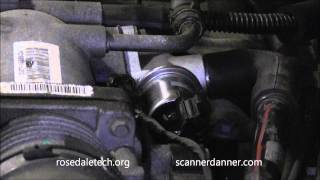
You might see advice to clean your old IAC valve with carburetor or throttle body cleaner. While this can sometimes work as a temporary fix if the issue is just carbon buildup, it often fails to solve the problem long-term. The failure is often in the electronic motor itself, which cleaning cannot repair. 🎬 Watch: How to diagnose and temporarily clean your IAC valve. If you're taking the time to remove the part, replacement is the most reliable repair.
Cost of Replacing an IAC Valve

The cost is relatively low, especially if you do the work yourself. The job is simple and requires basic hand tools.
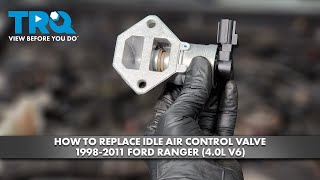
🎬 See this step-by-step replacement walkthrough for early Ranger models.| Part/Service | Estimated Cost |
|---|---|
| New Aftermarket IAC Valve | $57 - $85 |
| New OEM (Motorcraft) IAC Valve | $85 - $120 |
| Shop Labor | $50 - $100 |
| DIY Total | $57 - $85 |
| Shop Total | $107 - $220 |
Frequently Asked Questions
Can I drive with a bad IAC valve?
Yes, but it will be very annoying. The truck may stall at stoplights or idle erratically. While it usually won't leave you stranded, a very high idle can be a safety concern in parking lots or heavy traffic.
Why did the new aftermarket IAC valve I installed not fix the problem (or made it worse)?
This is a common complaint with this specific part on Ford Rangers. Low-quality aftermarket valves are known to be faulty out of the box or operate differently from the original Ford design, leading to persistent high idle. If a new part doesn't work, it's either a defective part or the problem lies elsewhere (like a vacuum leak).
Is the IAC valve the same for the 2.3L, 3.0L, and 4.0L engines?
No, the part can differ between engine sizes and even across the 1990-1994 year range. It is crucial to verify the part number and fitment for your specific engine and model year before ordering. Using a valve designed for a different engine can cause performance issues.
Do I need to disconnect the battery to change the IAC valve?
Yes. It's always recommended to disconnect the negative battery terminal before working on any electronic engine components. This prevents accidental shorts and allows the engine computer to reset and relearn the new valve's characteristics when you're done.
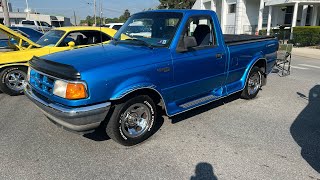
Helpful Videos

Technical Specifications
OEM Part Numbers: E9AZ-9F715-A F0TZ-9F715-B F37Z-9F715-AA
2-bolt mount, 2-pin electrical connector. Located on the upper intake manifold or throttle body. Gasket should always be replaced with the valve.
We Have This Part in Stock


The information in this article is provided for general reference and educational purposes only. Vehicle specifications, procedures, and part compatibility can vary by production date, trim level, and region. Always consult your vehicle's factory service manual and verify part numbers before purchasing or performing repairs. Safety-critical components such as airbags, seat belts, and braking systems should be installed by a qualified professional.
- Ford Ranger: