

Ford Ranger Throttle Position Sensor (TPS) Guide for 1990-1994 Models
Diagnose and choose the right replacement Throttle Position Sensor for your first-generation Ford Ranger.
- A bad TPS on a 1990-1994 Ranger causes stalling, hesitation, and rough idling.
- Replacement is very easy, requiring only a screwdriver and about 15 minutes.
- Always test the new sensor's voltage; it should be just under 1.0V at idle and sweep smoothly to ~4.5V.
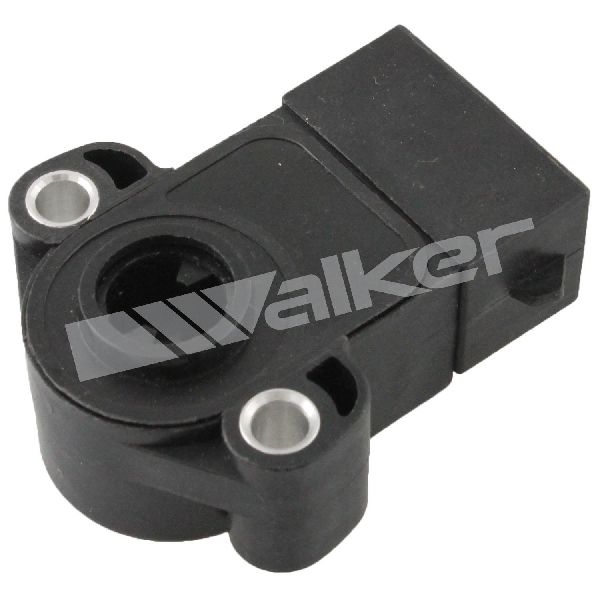
- For reliability, choose Motorcraft (OEM) or a premium aftermarket brand like Standard or Walker.
Is Your Ranger's TPS Failing? Common Symptoms
A failing Throttle Position Sensor can cause a range of frustrating engine problems. Because the TPS sends critical information to your engine computer, a bad signal can make your truck run poorly. You might notice one or more of these issues:
- Rough or High Idle: The engine may idle erratically, too high, or surge up and down.
- Engine Stalling: Your truck might stall when you come to a stop or take your foot off the gas.
- Hesitation or Lack of Power: When you press the accelerator, the truck may hesitate, stumble, or feel like it has no power.
- Poor Fuel Economy: Incorrect sensor readings can cause the engine to use more fuel than necessary.
- Check Engine Light: A faulty TPS will often trigger a Check Engine Light. On these older Rangers, you might get codes like 63 for low voltage or 53 for high voltage.
Recall Notice for 1990 4.0L V6 Rangers
There was a recall (NHTSA 90V044000) for some 1990 Rangers with the 4.0L V6 engine for a sticking throttle. This was caused by the air intake tube interfering with the throttle lever, not the sensor itself. However, the symptom of unintended acceleration could be confused with a sensor problem.
Choosing the Right Aftermarket TPS
When shopping for a new TPS for your 1990-1994 Ranger, you'll find several brands at different price points. While you can save money with an economy part, sensors are a category where quality often matters.
Brand Quality Tiers
- OEM (Original Equipment Manufacturer): Motorcraft is the Ford factory brand. It's the benchmark for fit, quality, and durability. If you want a part that you can install and not worry about, Motorcraft is the safest choice, though it is the most expensive.
- Premium Aftermarket: Brands like Standard Motor Products (SMP) and Walker Products have a long history of making reliable replacement parts. They aim to meet or exceed OEM specifications and are a solid choice for a balance of quality and price. Some professional mechanics trust these brands for everyday repairs.
- Economy Brands: Brands like Global Parts, True Tech, and Motorad typically offer the lowest prices. While they can be a good budget option, they may have a shorter lifespan or, in some cases, be slightly out of specification right out of the box, requiring adjustment.
Pro Tip: Test Before You Fully Install
No matter which brand you buy, it's wise to test the new sensor with a multimeter before finishing the installation. Connect the sensor and back-probe the signal wire. With the key on but the engine off, you should see a voltage of just under 1.0V at closed throttle and a smooth increase to around 4.5V at wide-open throttle. Any jumping or dead spots in the voltage mean the sensor is bad.
🎬 Watch: How to test and change your TPS in 5 minutes.Cost of Replacing a Ford Ranger TPS
| Part Type | Estimated Cost |
|---|---|
| New OEM (Motorcraft) | $70 - $120 |
| New Aftermarket | $9 - $99 |
| Shop Labor | $50 - $150 |
Frequently Asked Questions
Is it hard to replace the TPS on a 1990-1994 Ranger?
No, it is generally a very easy job. It is held on by two Phillips head screws and has one electrical connector. The entire replacement can often be done in under 15 minutes with basic hand tools. On some engines like the 2.3L, access might be tight, but it is still a DIY-friendly task.
Do I need to calibrate the new TPS?
Yes and no. These Rangers have a computer that can learn the closed-throttle position over time. However, it is highly recommended to check that the sensor's base voltage is correct (just under 1.0 volt at idle) to ensure proper performance from the start. Some aftermarket sensors have slotted mounting holes to allow for small adjustments.
🎬 See these pro tips for a perfect TPS installation.Can a bad TPS cause transmission problems?
Yes. On Rangers with an automatic transmission, the engine computer uses the TPS signal to help control shift points. A bad sensor can cause harsh shifting, delayed shifting, or prevent the torque converter from locking up correctly.
What's the difference between a cheap and expensive aftermarket TPS?
The main differences are the quality of the internal components and manufacturing tolerances. A more expensive sensor from a brand like Motorcraft or Standard is more likely to provide an accurate, stable signal for a longer period. Cheaper sensors may fail sooner or have a less consistent voltage output, which can affect performance.
Helpful Videos
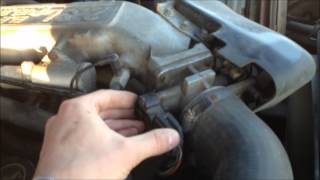
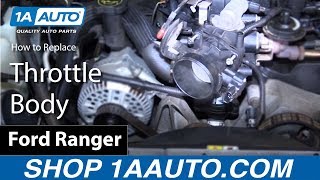
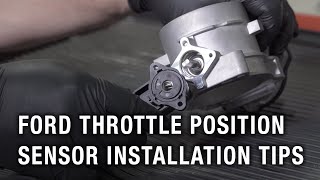
Technical Specifications
OEM Part Numbers: F2TZ-9B989-C E8FZ-9B989-A E4TZ-9B989-A
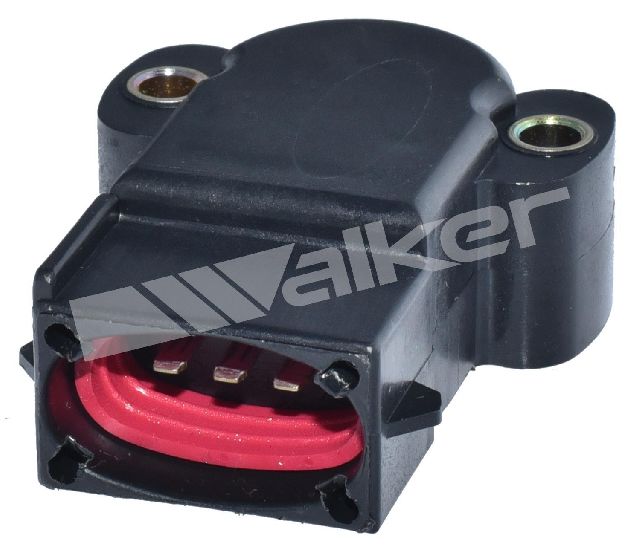
3-wire potentiometer sensor. Operates on a 5-volt reference signal. Idle voltage should be set between 0.8V and 1.0V. Wide-open throttle voltage should be approximately 4.5V.
We Have This Part in Stock


The information in this article is provided for general reference and educational purposes only. Vehicle specifications, procedures, and part compatibility can vary by production date, trim level, and region. Always consult your vehicle's factory service manual and verify part numbers before purchasing or performing repairs. Safety-critical components such as airbags, seat belts, and braking systems should be installed by a qualified professional.
- Ford Ranger: