

Your 1990-1994 Honda Accord Oxygen Sensor: A Complete Replacement Guide
Restore your Accord's fuel economy and smooth idle by understanding and replacing its single most important emissions sensor.
- Your 1990-1994 Accord has only one upstream oxygen sensor, located in the exhaust manifold.
- For best results and to avoid issues, use a direct-fit sensor from an OEM brand like Denso or NGK/NTK.
- A special O2 sensor socket (7/8" or 22mm) is essential for making the replacement job easier.
- Ignoring a bad O2 sensor can lead to costly damage to your catalytic converter.
Is a Failing Oxygen Sensor Causing Your Accord's Problems?
Over time, an oxygen sensor wears out. Contaminants like burned oil or coolant can also cause it to fail prematurely. When it does, your engine's computer is essentially flying blind, leading to noticeable issues. If you're experiencing any of the symptoms below, your O2 sensor is a likely culprit.
Key Symptoms of a Bad O2 Sensor
- Check Engine Light (CEL): This is the most common sign. On your 1990-1994 Accord, this will trigger an OBD1 code, most often Code 1 (O2 sensor circuit), Code 41 (O2 sensor heater circuit), or Code 48 (heated O2 sensor).
- Poor Fuel Economy: A bad sensor often tells the computer the engine is running lean, causing it to inject too much fuel. This wastes gas and you'll find yourself at the pump more often.
- Rough Idle and Sluggish Performance: With an incorrect air-fuel mixture, your Accord's F22 engine can idle unevenly, hesitate when you accelerate, or feel generally down on power.
- Failed Emissions Test: An engine running rich due to a bad O2 sensor will release excess hydrocarbons, causing an immediate failure at the tailpipe sniffer test.
- Rotten Egg Smell: In some cases, the overly rich fuel mixture can overwhelm the catalytic converter, producing a distinct sulfur or rotten egg smell from the exhaust.
Don't Ignore a Bad O2 Sensor
While you can drive with a bad oxygen sensor, it's not recommended for long. Running a rich fuel mixture will not only hurt your wallet with poor gas mileage but can also overheat and destroy your catalytic converter—a much more expensive repair.
Choosing the Right Aftermarket Oxygen Sensor
For this generation of Honda Accord, sticking close to the original equipment (OE) manufacturer is the best path to a successful repair. Hondas of this era can be sensitive to the wrong sensor, leading to persistent check engine lights or poor performance even with a new part. The brands are generally grouped into three tiers of quality and reliability.
Tier 1: OE-Quality (Recommended)
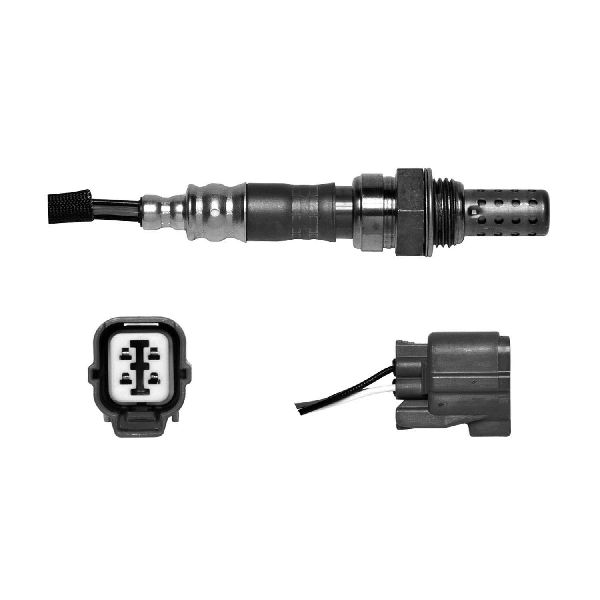
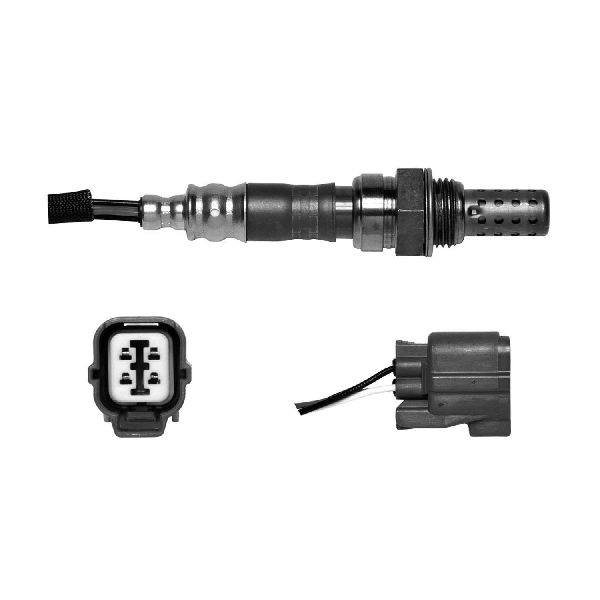
Denso & NGK (NTK): These two brands are the original equipment suppliers for Honda. Choosing a Denso or NGK/NTK direct-fit sensor is the safest bet for compatibility and long-term reliability. They are engineered to match the exact voltage and heating characteristics your Accord's ECU expects.
Tier 2: Reputable Aftermarket
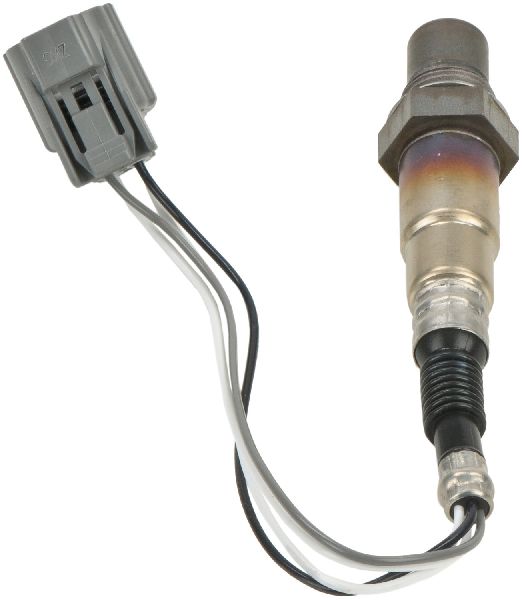
Bosch & Delphi: These are well-known brands that produce quality sensors. While generally reliable, some owners report minor differences in fit or warm-up times compared to Denso or NGK. They are a solid choice if an OE-brand is not available, but ensure you get a "direct-fit" model, not a universal one that requires splicing wires.
Tier 3: Value Brands
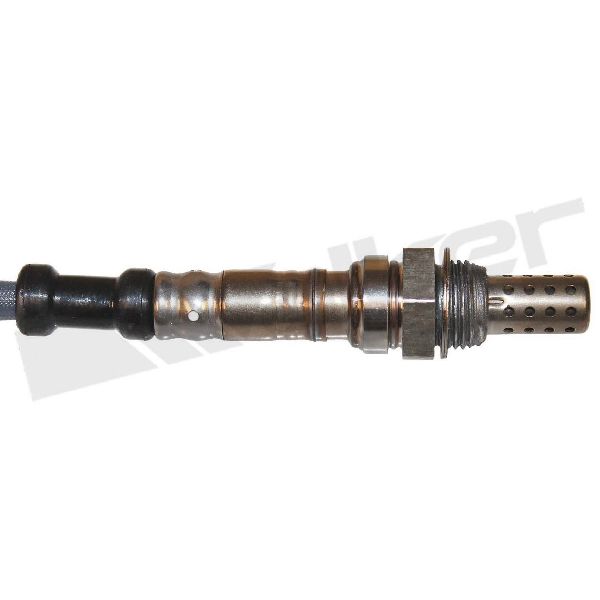
Walker Products, DriveWire, Spectra: These brands offer a more budget-friendly option. Some reports suggest Walker may re-brand Denso sensors in some cases, offering good value. However, for a critical component like this, most enthusiasts recommend spending a little more for a Tier 1 brand to avoid potential issues.
Pro-Tip: Check Your Emissions Sticker First!
Before ordering, look under your hood for the Vehicle Emission Control Information sticker. It will state if your car conforms to "U.S. EPA" (Federal) or "California" regulations. While the 1990-1994 Accord uses a similar 4-wire heated sensor for both, there can be differences in connectors or ECU expectations. Ordering the correct part for your car's specific emissions build is crucial.
Oxygen Sensor Replacement Cost
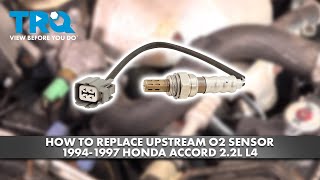
Replacing the oxygen sensor on a 1990-1994 Accord is a straightforward job. The part is relatively 🎬 Watch: Step-by-step guide to replacing the upstream oxygen sensor inexpensive and labor is minimal since it's easy to access.
| Item | Estimated Cost |
|---|---|
| New Aftermarket Part | $25 - $101 |
| New OEM Part (Dealer) | $190 - $280 |
| Shop Labor | $75 - $150 |
| Total (DIY) | $25 - $101 |
| Total (At a Shop) | $100 - $251 |
Frequently Asked Questions (FAQ)
How many oxygen sensors does my 1990-1994 Accord have?
Your Accord has only one oxygen sensor. It is an "upstream" sensor located before the catalytic converter. This generation does not have a downstream sensor, which simplifies diagnosis and replacement.
Where is the oxygen sensor located?
The sensor is screwed directly into the cast iron exhaust manifold on the front of the engine. You will need to remove a metal heat shield, typically held on by three 12mm bolts, to access it.
🎬 See this DIY walkthrough for replacing the sensor yourselfDo I need a special tool to replace the O2 sensor?
Yes, a special tool is highly recommended. An O2 sensor socket, which is a 7/8" (or 22mm) deep socket with a slit down the side for the wire, will make the job much easier and prevent damage to the new sensor's wiring. You can often rent this tool from an auto parts store.
What are the OBD1 codes for a bad O2 sensor on this Accord?
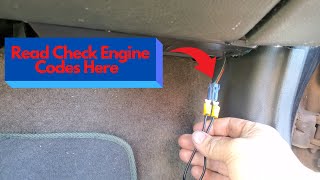
Because this car predates OBD2, you must read codes by jumping a two-pin service connector under the passenger side dash and counting the Check Engine Light flashes. 🎬 Watch: How to read your Accord's OBD1 diagnostic codes The common codes for the oxygen sensor are: Code 1 (oxygen sensor fault), Code 41 (sensor heater circuit fault), or Code 48 (heated oxygen sensor fault).
Helpful Videos
Technical Specifications
OEM Part Numbers: 36531-PT3-A04 36531-PT3-A12 36531-PT6-A02 36531-PT3-A02 36531-PT3-A03 36531-PT3-A05
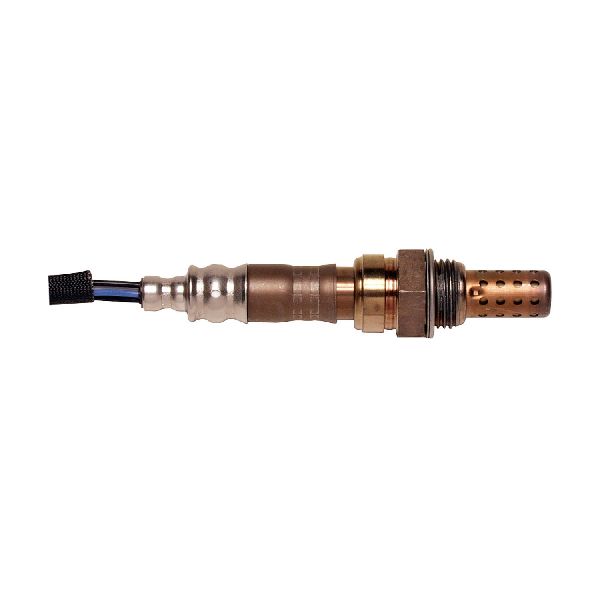
This is a 4-wire, heated, narrow-band Zirconia type oxygen sensor. It uses an M18x1.50 thread and requires a 7/8" (22mm) wrench or socket for removal and installation.
We Have This Part in Stock


The information in this article is provided for general reference and educational purposes only. Vehicle specifications, procedures, and part compatibility can vary by production date, trim level, and region. Always consult your vehicle's factory service manual and verify part numbers before purchasing or performing repairs. Safety-critical components such as airbags, seat belts, and braking systems should be installed by a qualified professional.
- Honda Accord:
- 🎬 Helpful Videos
- 🛍️ Shop This Part
- Is a Failing Oxygen Sensor Causing Your Accord's Problems?
- Key Symptoms of a Bad O2 Sensor
- Don't Ignore a Bad O2 Sensor
- Choosing the Right Aftermarket Oxygen Sensor
- Tier 1: OE-Quality (Recommended)
- Tier 2: Reputable Aftermarket
- Tier 3: Value Brands
- Pro-Tip: Check Your Emissions Sticker First!
- Oxygen Sensor Replacement Cost
- Frequently Asked Questions (FAQ)
- 🎟️ Get 5% Off