

Catalytic Converter Guide for the 1990-1994 Mazda Protege
Everything you need to know to replace the catalytic converter on your first-generation Mazda Protege.
- Diagnose and fix the root cause of failure (like engine misfires) before installing a new converter.
- Choose a direct-fit converter for the easiest, bolt-on installation without needing to weld.
- For this vehicle's age, a Federal/EPA-compliant converter is the standard; brands like Walker offer a balance of price and quality.
- Always replace exhaust gaskets and hardware with the new converter to prevent leaks.
Is Your Protege's Catalytic Converter Failing?
For a car from the early 90s, it's not a matter of if the catalytic converter will fail, but when. The original parts were built to last, but after 30+ years, they reach the end of their life. The most common reason for failure is simply age, where the internal catalyst materials break down. However, engine problems like misfires or burning oil can speed up this process by sending unburnt fuel or contaminants into the exhaust, overheating and destroying the converter.
Diagnose the Root Cause First
Before you spend money on a new converter, make sure your engine is running right. A new catalytic converter can be quickly ruined by an engine that has other problems. Fix any check engine lights, misfires, or oil consumption issues before replacing the converter.
Common Symptoms of a Bad Converter
- Rattling Noise: A common sign is a rattling sound from under the car, especially on startup. This is caused by the ceramic honeycomb inside the converter breaking into pieces.
- Rotten Egg Smell: A strong smell of sulfur or rotten eggs from the exhaust means the converter is no longer processing the exhaust gases correctly.
- Poor Engine Performance: You might notice your Protege feels sluggish, hesitates when you accelerate, or struggles to get up to speed. This happens when the converter is clogged, creating backpressure in the exhaust.
- Reduced Fuel Economy: If you're filling up the gas tank more often, a clogged converter could be forcing your engine to work harder and use more fuel.
- Check Engine Light: Your Protege's computer will turn on the "CHECK ENGINE" light if it detects a problem with the emissions system. Note that 1990-1994 models are OBD-I, not OBD-II, so a standard code reader won't work.
Choosing the Right Aftermarket Converter
Finding a new OEM catalytic converter from Mazda for a 1990-1994 Protege is nearly impossible. The aftermarket is your only realistic option. Aftermarket converters are categorized by their compliance with emissions standards. For this vehicle, you will likely need a Federal/EPA compliant converter, unless you live in a state with stricter rules like California.
Direct-Fit vs. Universal
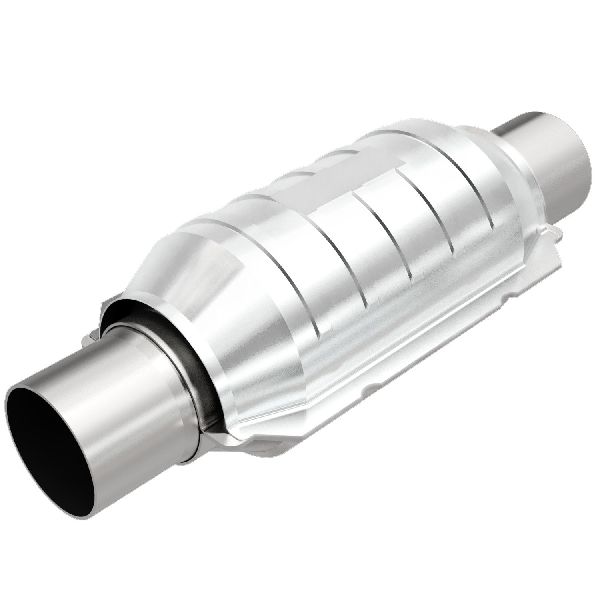
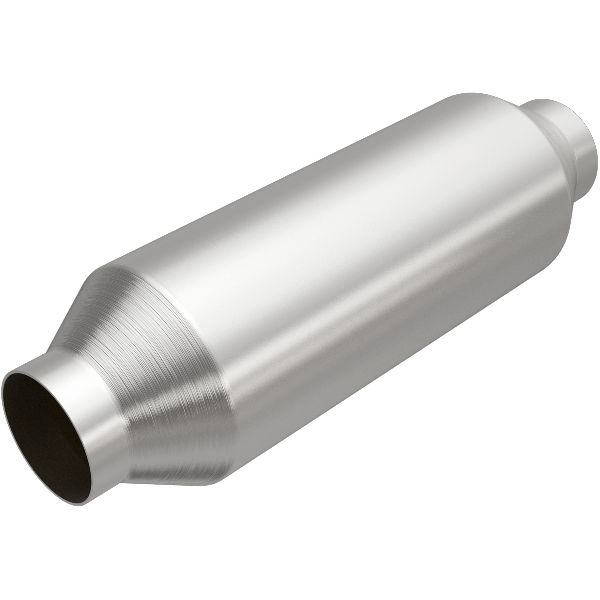
For an easier installation, choose a direct-fit converter. These are designed to bolt right into your Protege's exhaust system without any cutting or welding. A universal converter is cheaper but will require a muffler shop to weld it into place, adding to the labor cost.
Aftermarket Brand Tiers
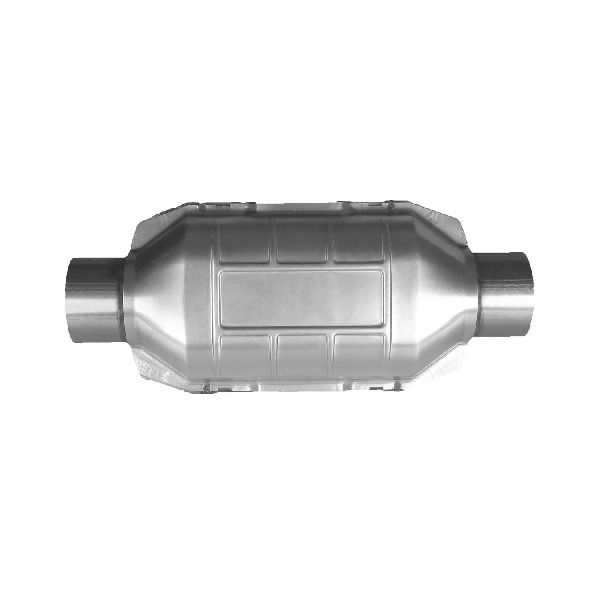
- Economy (AP Exhaust, Eastern Catalytic): These brands offer the most affordable way to replace a failed converter. They meet basic EPA requirements and will get your car back on the road and through an emissions test. However, they may not last as long as more expensive options due to having fewer precious metals in the catalyst.
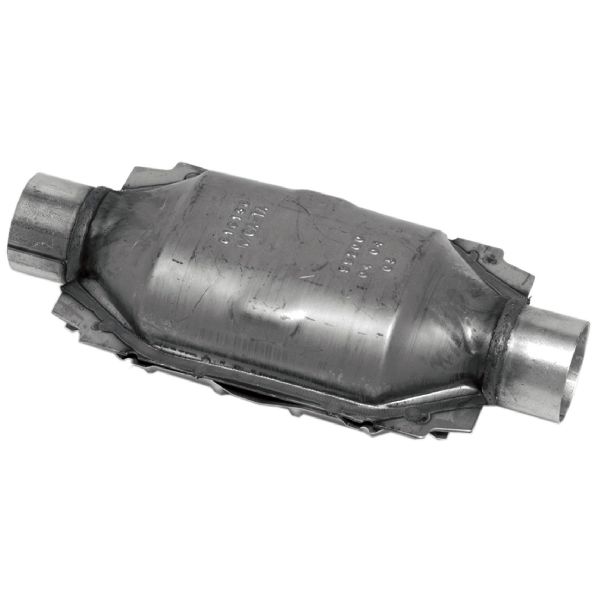
- Standard (Walker Exhaust): Walker is a well-known brand that also supplies parts to car manufacturers. Their converters are often considered a reliable, middle-of-the-road option that balances cost and quality, often with an emphasis on OE-style fit.
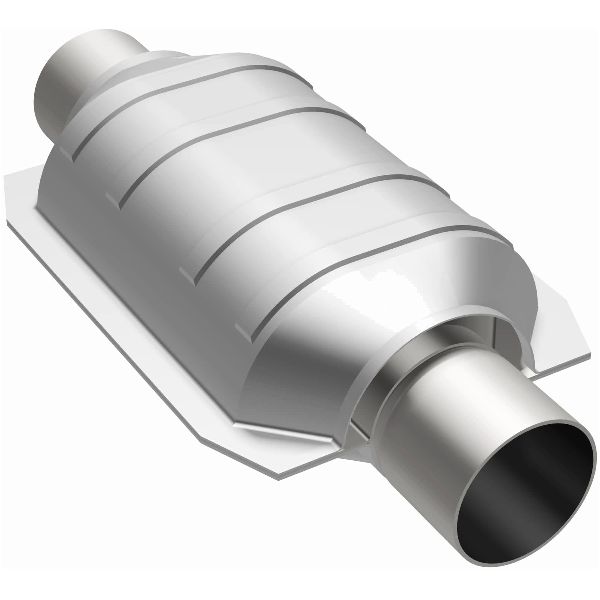
- Performance (MagnaFlow): MagnaFlow is known for high-quality, stainless steel construction and high-flow designs. While you might not see a huge performance jump on a stock Protege, these converters are built to last and are often preferred by exhaust shops.
How Much Will It Cost?
The total cost depends on the part you choose and who does the work. Replacing a converter on this car is a straightforward job for a mechanic, but rust can make it take longer.
| Item | Estimated Cost |
|---|---|
| New Aftermarket Converter (Part Only) | $84 - $560 |
| Shop Labor | $100 - $400 |
| Total Estimated Cost | $184 - $960 |
Frequently Asked Questions
Why did my original converter fail?
Most likely due to age. After decades of heat cycles, the internal materials simply wear out. Other causes include engine misfires, burning oil or coolant, or a faulty oxygen sensor, all of which can damage a converter.
Do I need a CARB-compliant converter?
Only if you live in California or a state that has adopted California's strict emissions standards. For most of the country, a Federal/EPA-compliant converter is all that is required. The parts available for this vehicle are generally not CARB-certified.
Can I install a used catalytic converter?
It is illegal in many states for shops to install a used catalytic converter. Due to the high scrap value of the precious metals inside, it's also very rare to find them at a junkyard. Buying a new aftermarket part is the recommended and legal path.
What other parts should I replace at the same time?
Always install new exhaust gaskets and hardware when replacing the converter. The old ones are likely rusted and will not seal properly, causing exhaust leaks. It's also a good time to inspect your oxygen sensors, as a failing sensor can lead to converter failure.
Technical Specifications
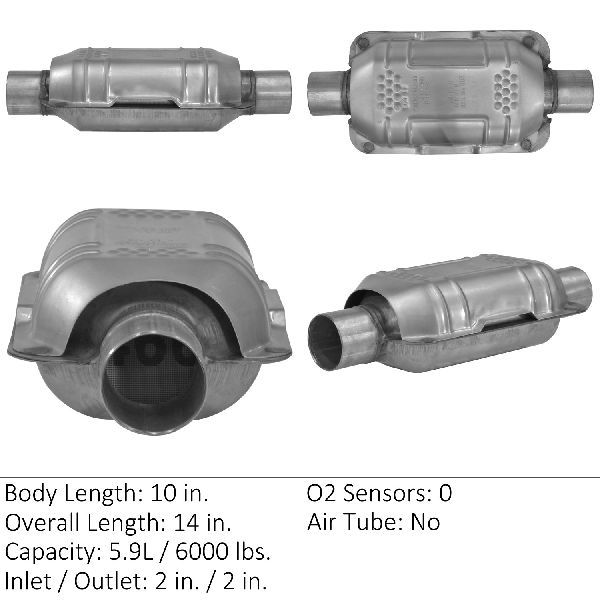
This vehicle uses an OBD-I diagnostic system. The catalytic converter is a direct-fit, bolt-on unit located in the exhaust system between the exhaust manifold and the muffler. It does not have integrated oxygen sensor ports. Specifications like body length and inlet/outlet diameter vary by aftermarket brand, but are designed to match the original factory fitment.
We Have This Part in Stock

The information in this article is provided for general reference and educational purposes only. Vehicle specifications, procedures, and part compatibility can vary by production date, trim level, and region. Always consult your vehicle's factory service manual and verify part numbers before purchasing or performing repairs. Safety-critical components such as airbags, seat belts, and braking systems should be installed by a qualified professional.
- Mazda Protege: