

Engine Coolant Thermostat Guide for the 1990-1994 Mitsubishi Eclipse
Learn how to spot a failing thermostat and choose the right replacement for your 1G DSM.
- A failing thermostat can cause either overheating (stuck closed) or an engine that won't warm up (stuck open).
- For a 1990-1994 Eclipse, use a standard 180°F (82°C) thermostat for best performance.
- Replacing the thermostat is a DIY-friendly job; always replace the gasket at the same time.
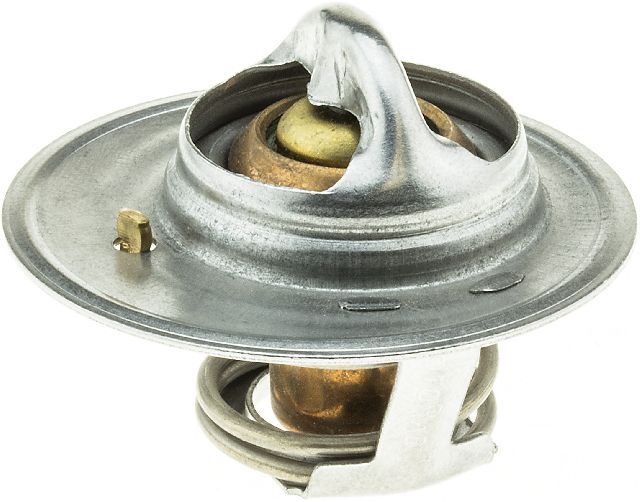
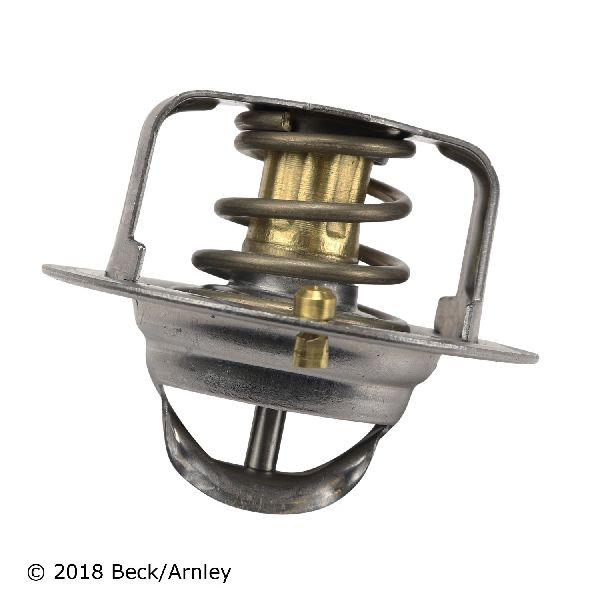
- Aftermarket brands like Beck Arnley and Gates are considered reliable choices for this vehicle.
Is Your Eclipse Overheating or Running Cold? It Could Be the Thermostat.
A bad thermostat is a common problem on the first-generation Mitsubishi Eclipse that can lead to serious engine issues if ignored. Whether it's stuck open or stuck closed, it prevents your engine from maintaining its proper operating temperature. Fortunately, it's an inexpensive part and relatively easy to replace.
Symptoms of a Failing Thermostat
Watch for these common signs that your thermostat is going bad:
- Overheating: If the thermostat is stuck closed, coolant can't get to the radiator to cool down. This is the most dangerous failure, causing the temperature gauge to climb into the red.
- Engine Takes Forever to Warm Up: A thermostat stuck in the open position allows coolant to circulate constantly, preventing the engine from reaching its proper temperature, especially in cold weather.
- No Heat from Vents: If the engine never gets hot enough, the coolant flowing to your heater core won't be hot either, leaving you with cold air from the vents.
- Temperature Gauge Fluctuates: A thermostat that is sticking or opening and closing erratically can cause the temperature needle to bounce between normal and hot, or normal and cold.
- Coolant Leaks: Increased pressure from an overheating engine can cause coolant to leak from the thermostat housing or nearby hoses.
Choosing the Right Aftermarket Thermostat
For a daily driven 1990-1994 Eclipse, an OEM-equivalent thermostat is the best choice. While OEM (Original Equipment Manufacturer) parts are always a safe bet, several aftermarket brands offer reliable quality. Many owners on forums report that some aftermarket brands are simply re-boxed OEM parts. Be aware that some brands may source from different manufacturers, so quality can vary.
| Brand Tier | Brands | General Consensus & Notes |
|---|---|---|
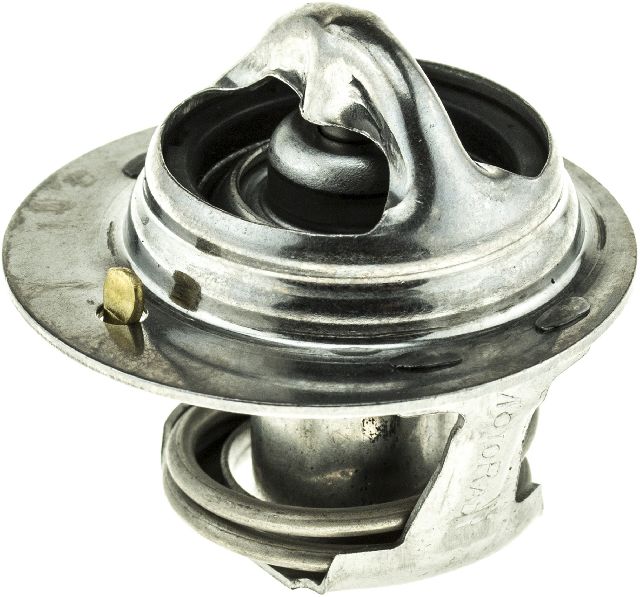
| OEM-Equivalent / Recommended | Beck Arnley, Gates | Beck Arnley often repackages OEM parts, making it a strong choice. Gates is a long-standing, reputable brand in cooling systems, though some users note that their thermostats may now be manufactured by Motorad. For best results, stick to the factory 180°F temperature rating. |
| Standard Replacement | Calorstat, Motorad | Motorad is a massive manufacturer that supplies many other brands. However, some users have reported inconsistent quality control and temperature regulation with their standard aftermarket offerings compared to OEM. These are generally acceptable but may not perform as consistently as an OEM or top-tier aftermarket part. |
| Performance / Specialty | Cosworth, MaxCool | For highly modified engines only. These thermostats open at a lower temperature (e.g., 160°F or 68°C) to increase coolant flow for racing applications. Using one on a stock or lightly modified engine can cause it to run too cool, leading to poor fuel economy and increased wear. |
Frequently Asked Questions
Where is the thermostat located on a 1990-1994 Eclipse?
The thermostat is located on the driver's side of the engine block, inside the housing where the lower radiator hose connects to the engine. You will need to drain some coolant and remove two bolts to access it.
Should I replace the gasket when I replace the thermostat?
Yes, absolutely. Always use a new gasket or O-ring when replacing the thermostat to prevent leaks. Some thermostats come with a new gasket included. It's also wise to clean the housing surfaces thoroughly before installing the new part.
What temperature thermostat should I use for my Eclipse?
For a stock or daily-driven 1G Eclipse (both 1.8L and 2.0L engines), you should use the OEM-spec 180°F (82°C) thermostat. Using a lower temperature thermostat can make the engine run too rich and inefficiently.
Is it hard to replace the thermostat myself?
No, this is a good job for a beginner. It typically involves draining the radiator, removing the lower radiator hose from the housing, unbolting the housing, swapping the thermostat and gasket, and reassembling. The most important steps are ensuring the thermostat is installed in the correct orientation (jiggle pin up) and properly bleeding the air out of the cooling system afterward.
What are common mistakes when ordering or installing a thermostat?
The most common mistakes are buying the wrong temperature rating, forgetting to buy a new gasket, and installing the thermostat backward. Also, make sure the surfaces of the housing are clean before re-installing to ensure a good seal. Failing to properly bleed the cooling system after the job can trap air and cause overheating, even with a new thermostat.
Technical Specifications
OEM Part Numbers: MD972905 MD145038
Standard Opening Temperature: 180°F / 82°C. Fits both 1.8L (4G37) and 2.0L (4G63/4G63T) engines.
We Have This Part in Stock


The information in this article is provided for general reference and educational purposes only. Vehicle specifications, procedures, and part compatibility can vary by production date, trim level, and region. Always consult your vehicle's factory service manual and verify part numbers before purchasing or performing repairs. Safety-critical components such as airbags, seat belts, and braking systems should be installed by a qualified professional.
- Mitsubishi Eclipse: