

First Generation Mitsubishi Eclipse Engine Mount Guide (1990-1994)
Stop excessive engine vibration and choose the right replacement mounts for your Eclipse.
- The main choice is between soft rubber mounts (Anchor, DEA) for comfort or firm polyurethane mounts (Prothane) for performance with more vibration.
- Symptoms include heavy vibration at idle, clunking noises on acceleration, and visible engine lurching.
- It is highly recommended to replace all four mounts as a set to ensure even load distribution and longevity.
- Driving with bad mounts can cause secondary damage to axles, exhaust parts, and hoses.
Symptoms of a Bad Engine Mount
When engine mounts wear out, the signs are hard to ignore. The rubber cracks and tears, or the internal fluid leaks out, leaving the engine unsupported. Look for these common symptoms:
- Heavy Vibration: This is the most common sign. You'll feel a strong vibration through the steering wheel, floor, and seats, especially when the car is idling at a stop light.
- Clunking or Thudding Noises: Loud clunks or bangs when you accelerate, brake, or shift gears mean the engine is moving too much and hitting other parts.
- Visible Engine Movement: With the hood open and the car in park, have a friend lightly rev the engine. If you see the engine lurch or twist excessively, your mounts are likely shot.
Don't Ignore Bad Mounts
Continuing to drive with broken engine mounts can cause serious damage. The constant movement puts stress on your CV axles, exhaust manifold, radiator hoses, and wiring, leading to more expensive repairs down the road.
Choosing the Right Aftermarket Mount: Rubber vs. Polyurethane
For the 1st Gen Eclipse, you have two main choices for aftermarket mounts. The right one depends on your car and how you drive it.
Tier 1: Standard Replacement (Good)
Brands: Anchor, DEA
These brands make standard rubber mounts that are designed to feel like the original factory parts. They are affordable and focus on absorbing vibration for a comfortable ride. However, forum discussions among Eclipse owners suggest that the quality and lifespan of these budget-friendly brands can be inconsistent. They are a decent choice for a stock, daily-driven car where comfort is the priority and budget is a key factor.
Tier 2: Performance Upgrade (Better)
Brand: Prothane
Prothane offers mounts made from polyurethane, a much stiffer material than rubber. These are considered a performance upgrade. The main benefit is a huge reduction in engine movement, which improves throttle response and reduces wheel hop during hard acceleration. The major trade-off is a significant increase in Noise, Vibration, and Harshness (NVH). Your car's cabin will vibrate more, especially at idle. This is the best choice for modified, high-horsepower cars or for owners who prioritize performance over a quiet, smooth ride.
Pro Tip: Replace as a Set
When one mount fails, the others are usually not far behind. Replacing all four mounts at the same time ensures they share the load evenly and provides the best, longest-lasting result. When installing, leave the bolts slightly loose until all mounts are in place to help with alignment, then torque everything to spec.
Cost of Replacing Engine Mounts (1990-1994 Eclipse)
| Item | Estimated Cost |
|---|---|
| Aftermarket Rubber Mount (e.g., Anchor, DEA) | $15 - $40 per mount |
| Aftermarket Polyurethane Mount (e.g., Prothane) | $25 - $60 per mount |
| Shop Labor (Single Mount) | $100 - $250 |
| Total Professional Replacement (Single Mount) | $120 - $290 |
Cost estimates are based on national averages and may vary by location and specific vehicle condition.
Frequently Asked Questions
Can I replace just one bad engine mount?
Yes, you can, but it's not recommended. A new mount is much stiffer than the remaining old ones, which puts extra stress on them and can cause them to fail sooner. For the best results, replace all four mounts at the same time.
How do I know if I need rubber or polyurethane mounts?
If your Eclipse is your daily driver and you value a smooth, quiet ride, choose standard rubber mounts like Anchor or DEA. If your car is modified for performance and you don't mind feeling more engine vibration in the cabin, choose polyurethane mounts from Prothane for better engine control.
Are there any recalls for 1G Eclipse engine mounts?
No, there are no recalls from the NHTSA for engine mounts on the 1990-1994 Mitsubishi Eclipse.
How hard is it to replace the engine mounts myself?
It is a moderately difficult job that is feasible for a DIY mechanic with the right tools. You will need a good socket set and a floor jack with a block of wood to support the engine. The rear and transmission-side mounts can be difficult to reach. Expect it to take 2-4 hours for a full set.
Technical Specifications
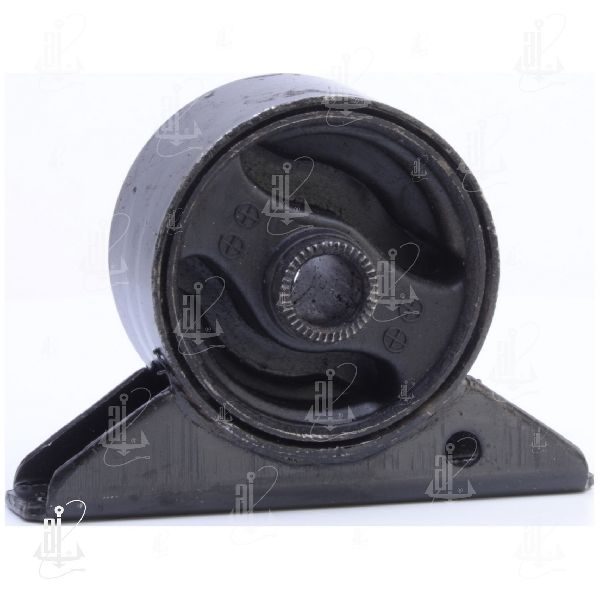
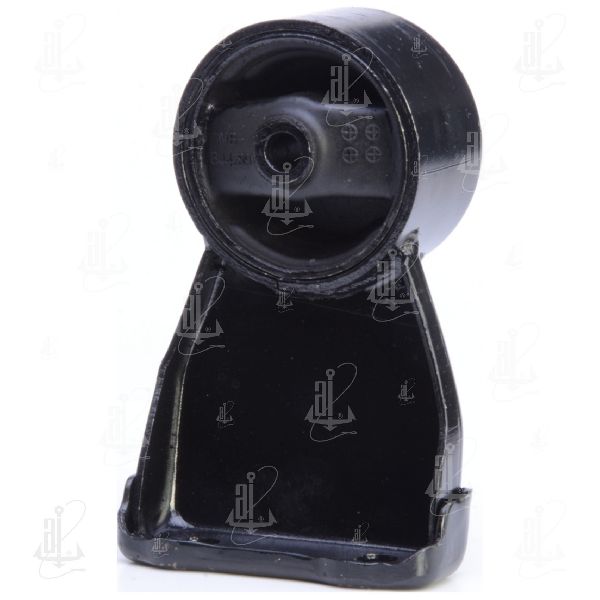
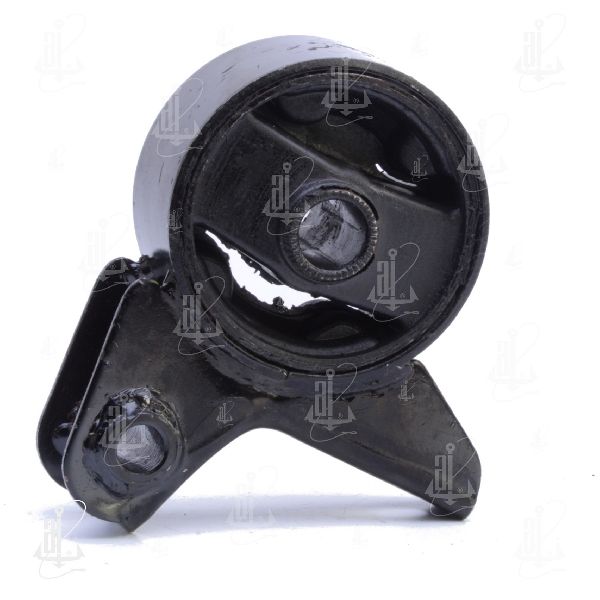
The 1990-1994 Mitsubishi Eclipse uses a four-mount system: a front roll-stopper mount, a rear roll-stopper mount, a driver's side mount near the timing belt cover, and a passenger side transmission mount.
We Have This Part in Stock


The information in this article is provided for general reference and educational purposes only. Vehicle specifications, procedures, and part compatibility can vary by production date, trim level, and region. Always consult your vehicle's factory service manual and verify part numbers before purchasing or performing repairs. Safety-critical components such as airbags, seat belts, and braking systems should be installed by a qualified professional.
- Mitsubishi Eclipse:
- 🛍️ Shop This Part
- Symptoms of a Bad Engine Mount
- Don't Ignore Bad Mounts
- Choosing the Right Aftermarket Mount: Rubber vs. Polyurethane
- Tier 1: Standard Replacement (Good)
- Tier 2: Performance Upgrade (Better)
- Pro Tip: Replace as a Set
- Cost of Replacing Engine Mounts (1990-1994 Eclipse)
- Frequently Asked Questions
- 🎟️ Get 5% Off