

1990-1994 Mitsubishi Eclipse Engine Oil Pressure Switch: A Complete Guide
Is your oil light flickering or staying on? It might be this simple, inexpensive switch.
- A flickering or constant oil light on a 1G Eclipse with a full oil pan is a classic symptom of a bad oil pressure switch.
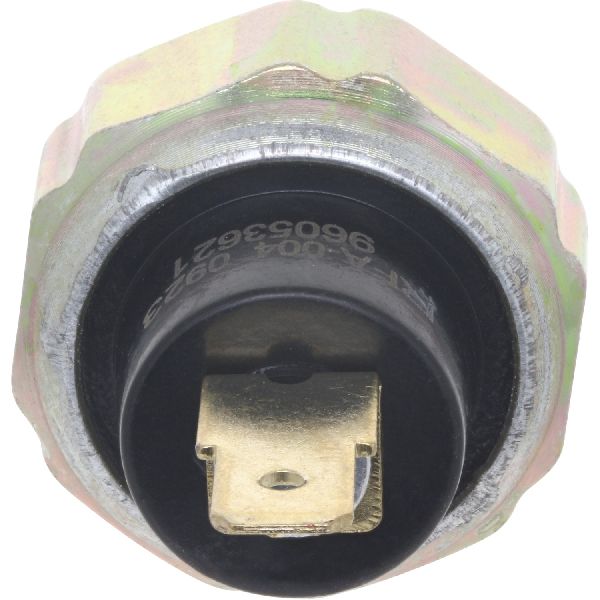
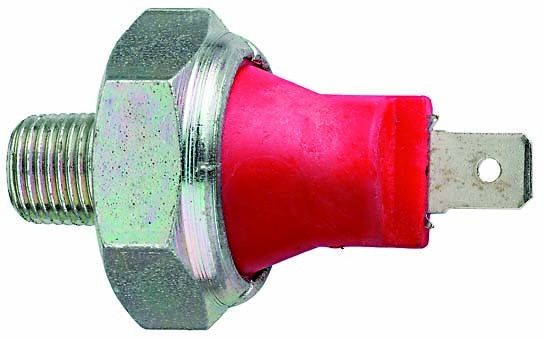
- The switch is a simple, single-wire sensor located on the engine block near the oil filter.
- Replacement is a fast, easy, and inexpensive DIY job that can prevent a major headache.
- Always treat an oil pressure warning as a critical engine emergency until you can prove it's just a faulty sensor.
Is Your Oil Pressure Switch Failing?
When an oil pressure switch fails, it can cause some alarming symptoms. Because the warning light it controls is meant to signal a potentially engine-destroying problem, you should never ignore it. However, on an older car like the 1G DSM, the switch itself is often the culprit.
Common symptoms include:
- Flickering Oil Light: The light may flicker, especially at idle when oil pressure is naturally lower, and then go away as you accelerate.
- Oil Light Stays On: The warning light may stay on constantly, even if you have checked the oil level and it is full.
- Visible Oil Leaks: The plastic body of the switch can crack over time, or the internal seal can fail. This results in oil leaking from the switch itself, which is a very common failure point.
- Incorrect Gauge Reading: If your dash has a pressure gauge instead of just a light, a bad sensor can cause it to read zero, max out, or jump around erratically.
Treat Warnings Seriously
Always check your oil level immediately if the oil pressure light comes on. If the level is low, top it off. If the light stays on even with a full oil dipstick, do not drive the car. You must confirm whether you have a cheap sensor failure or a serious low-pressure problem that could destroy your engine.
Choosing the Right Aftermarket Part
For a 1990-1994 Eclipse, the original OEM switch (part number MD138993) may be hard to find or expensive. Fortunately, many aftermarket brands offer reliable replacements. The key is choosing a quality part to avoid doing the job twice.
- Premium Aftermarket (Hella, Standard Ignition): Brands like Hella and Standard Motor Products (SMP) have strong reputations in the industry. They are known for making quality sensors that meet or exceed OEM specifications. Choosing one of these brands is a solid investment for reliability.
- Standard/Economy Aftermarket (Facet, Holstein, Rostra): Brands like Facet, Holstein, and Rostra provide a functional, budget-friendly alternative. They are a good choice if cost is your primary concern. While they should work correctly out of the box, their long-term durability might not match that of premium brands.
Cost of Replacing Your Oil Pressure Switch
Replacing the oil pressure switch is an inexpensive repair, especially if you do it yourself.
| Item | Estimated Cost |
|---|---|
| New OEM Switch | $25 - $50 |
| New Aftermarket Switch | $6.79 - $119.61 |
| Shop Labor | $100 - $150 |
Pro Tip: Easy DIY Replacement
Replacing this switch is a great DIY job for beginners. It's located near the oil filter, has a single wire to disconnect, and unscrews from the block. You'll need a special deep socket (often 1 1/16" or 27mm) and some thread sealant for the new switch. The torque spec is low, around 13-14 ft-lbs.
Frequently Asked Questions
Where is the oil pressure switch located on a 1990-1994 Eclipse?
It is screwed into the engine block, almost always right next to the oil filter housing. You will see a small sensor with a single wire attached to it.
Is it hard to replace the oil pressure switch?
No, it is considered an easy DIY job. It requires jacking up the car for access, but the replacement itself involves unplugging one wire and unscrewing the sensor. The whole job usually takes less than an hour.
My oil light is on. How do I know if it's the switch or my engine?
First, turn off the engine and check your oil dipstick. If the oil level is low, the light is doing its job. If the oil level is full, a faulty switch is a very likely cause. However, you should not drive the car until you have confirmed the engine has good oil pressure with a mechanical gauge, as the risk of engine damage is too high.
Do I need to use sealant on the new switch?
Yes, it is highly recommended. Apply a small amount of thread sealant to the threads of the new switch before installing it. This prevents leaks. Do not get any sealant in the small hole at the tip of the sensor.
Are there any recalls for the oil pressure switch on the 1G Eclipse?
No, searches of the National Highway Traffic Safety Administration (NHTSA) database and other recall archives did not find any recalls specific to the engine oil pressure switch for the 1990-1994 Mitsubishi Eclipse.
Technical Specifications
OEM Part Numbers: MD138993 1258A002
Single-pin electrical connector, 1/8" NPT threaded body, activates dashboard warning light.
We Have This Part in Stock


The information in this article is provided for general reference and educational purposes only. Vehicle specifications, procedures, and part compatibility can vary by production date, trim level, and region. Always consult your vehicle's factory service manual and verify part numbers before purchasing or performing repairs. Safety-critical components such as airbags, seat belts, and braking systems should be installed by a qualified professional.
- Mitsubishi Eclipse: