

Engine Water Pump Guide for the 1990-1994 Mitsubishi Eclipse
Everything you need to know before replacing the water pump on your first-generation DSM.
- Always replace the water pump with the timing belt and tensioners; it is not a standalone job.
- A seized water pump will break the timing belt, causing catastrophic engine damage on the 4G63 engine.
- Gates is considered a top-tier aftermarket brand for this part, while GMB is a reliable budget-friendly option.
- Symptoms like coolant leaks from the front of the engine, overheating, or grinding noises should be addressed immediately.
Is Your Eclipse's Water Pump Failing?
A failing water pump on a first-generation Eclipse is a serious issue. Because it's connected to the timing belt, a seized pump can cause the belt to break. On the 4G63 engine, this is catastrophic, leading to bent valves and major engine damage. Recognizing the early warning signs can save you from a much more expensive repair.
Key Symptoms of a Bad Water Pump:
- Coolant Leaks: This is the most common sign. You may see puddles of green or orange fluid under the front-center of your engine. The pump has a "weep hole" that is designed to leak small amounts of coolant as a warning sign when the internal seal starts to fail.
- Engine Overheating: If the pump can't circulate coolant effectively, your engine's temperature will rise, especially at idle or in slow traffic.
- Whining or Grinding Noises: A high-pitched whine or a grinding sound from the timing belt area that changes with engine RPM can indicate a failing bearing inside the water pump.
- Wobbly Pulley: If you can access the water pump pulley (with the engine off), check for any side-to-side movement. A loose or wobbly pulley is a clear sign the bearing is shot and failure is imminent.
Timing Belt and Water Pump: Replace Them Together
The water pump is driven by the timing belt. To replace the pump, the entire timing belt assembly must be removed. Because of this significant labor overlap, the rule for any 1990-1994 Eclipse is simple: if you replace the timing belt, you replace the water pump. If you replace the water pump, you replace the timing belt and its tensioners. Skipping this can lead to a new belt being ruined by an old pump, or an old belt failing shortly after a water pump job.
Choosing the Right Aftermarket Water Pump
While an OEM water pump from Mitsubishi (originally made by Aisin) is a high-quality part, excellent aftermarket options are available that provide great value. Given the critical nature of this part, it's not the place to cut corners, but you can still make a smart choice.
| Brand Tier | Brands | Quality & Value Assessment |
|---|---|---|
| Tier 1: OEM Quality | Gates | Gates is highly respected in the DSM community and is a known OEM supplier for belts and other components. Many consider their water pumps to be a top-tier choice, offering near-OEM durability and performance. For peace of mind, Gates is a solid investment. |
| Tier 2: Reliable Replacement | GMB | GMB is a well-known manufacturer that produces reliable OEM-replacement parts. While not considered a high-performance brand, they offer a good balance of quality and affordability. Many timing belt kits for the Eclipse include a GMB water pump. It's a functional choice for daily drivers and budget-conscious owners. |
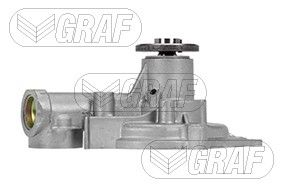
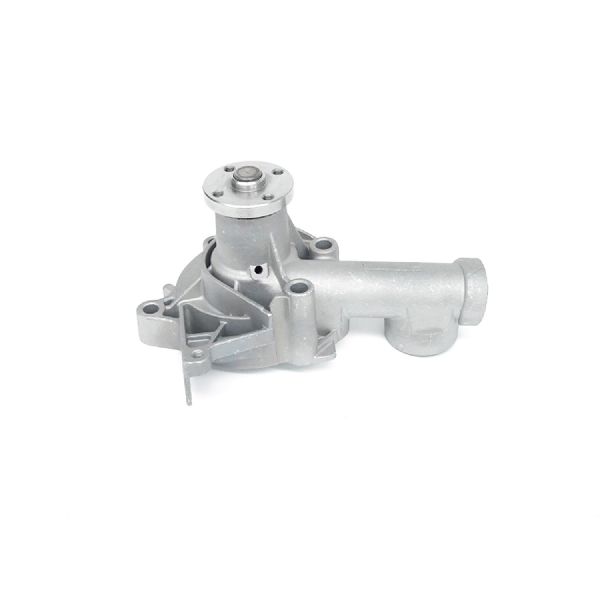
| Tier 3: Standard/Economy | Graf, US Motor Works | Graf is a European brand with generally positive reviews, though specific feedback for the 1G Eclipse is limited. US Motor Works is a standard aftermarket brand. These pumps meet basic requirements but may not have the same long-term durability or rigorous quality control as higher-tier brands. They are a viable option if budget is the primary concern. |
Pro Tip: Check the Impeller Design
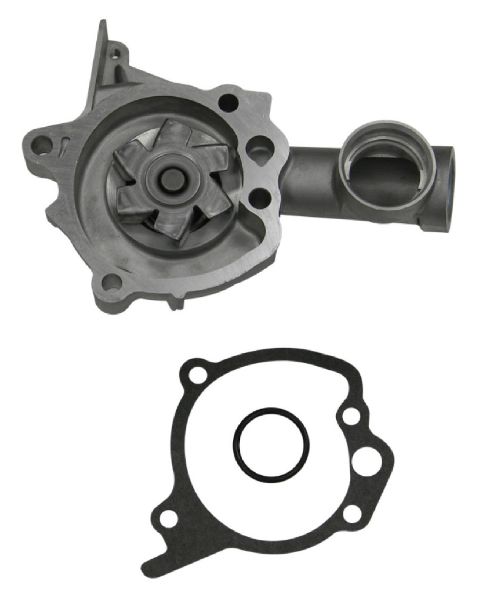
When you get your new pump, look at the impeller (the finned part that moves the coolant). Original OEM pumps used an "open" impeller design. Some aftermarket pumps feature a "closed" impeller, which is considered more efficient at high RPM. For a street-driven car, either design will work perfectly fine, but it's an interesting difference to note.
Frequently Asked Questions (FAQ)
Is there a recall on the 1990-1994 Eclipse water pump?
No. There are no official recalls or technical service bulletins (TSBs) issued by the NHTSA for water pump failure on the 1990-1994 Mitsubishi Eclipse.
Can I replace just the water pump without doing the timing belt?
No. It is strongly recommended to replace the timing belt, balance shaft belt, and all tensioners at the same time as the water pump. The labor required to access the pump is the same as a full timing belt job, and a failure of any of these related components can cause catastrophic engine damage.
What is the most common mistake during installation?
The water pump is held on by five bolts of different lengths. A common and costly mistake is mixing up these bolts during reinstallation. This can lead to a bolt being too long and damaging the engine block, or too short and not securing the pump correctly. Always carefully note the location of each bolt during removal.
Do I need to use sealant on the water pump gasket?
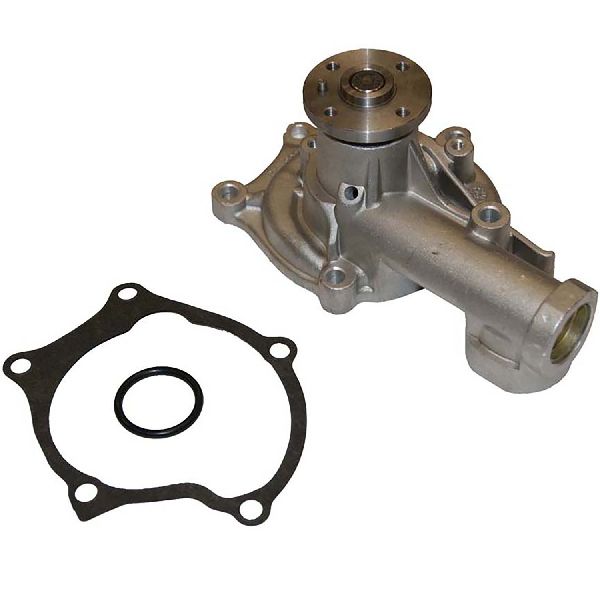
Most new water pumps come with a metal or composite gasket that does not require sealant. However, some mechanics prefer to use a very thin layer of RTV sealant for extra security against leaks. It is also critical to replace the small o-ring for the water pipe that connects to the pump housing to prevent leaks.
Technical Specifications
OEM Part Numbers: MD971538 MD997618
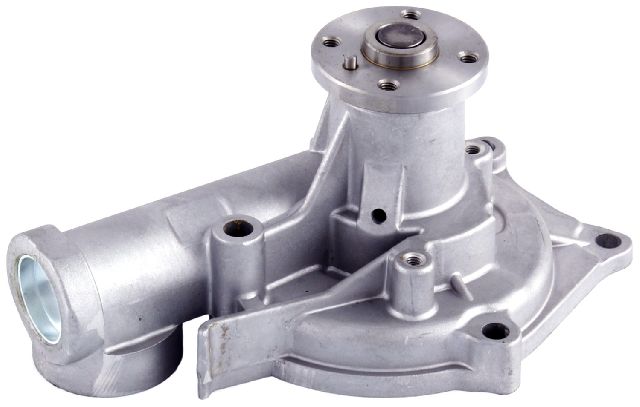
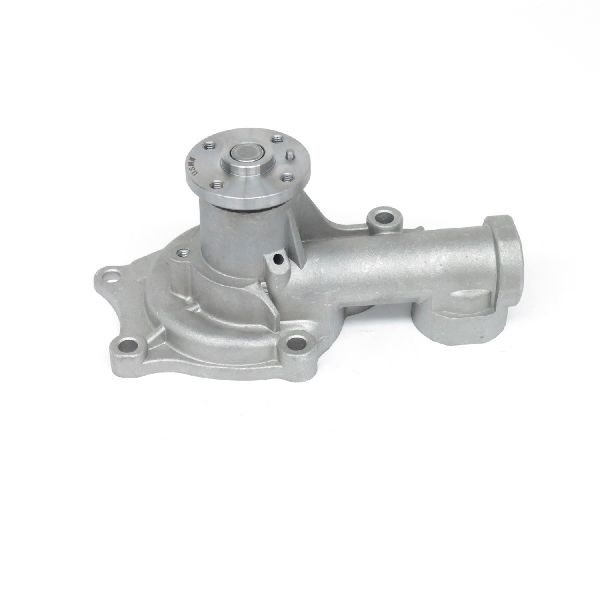
The water pump for the 1990-1994 Mitsubishi Eclipse is driven by the engine's timing belt. It typically features a cast aluminum housing and is mounted to the front of the engine block. The pump includes a gasket for sealing and connects to the water pipe via an o-ring that should also be replaced.
We Have This Part in Stock

The information in this article is provided for general reference and educational purposes only. Vehicle specifications, procedures, and part compatibility can vary by production date, trim level, and region. Always consult your vehicle's factory service manual and verify part numbers before purchasing or performing repairs. Safety-critical components such as airbags, seat belts, and braking systems should be installed by a qualified professional.
- Mitsubishi Eclipse: