

Ignition Coil Guide for the 1990-1994 Mitsubishi Eclipse
Solve common misfires and restore lost power by choosing the right aftermarket ignition coil for your first-generation Eclipse.
- The Power Transistor Unit (PTU) fails often on these cars and has the same symptoms; test it before replacing the coil.
- A failing coil pack causes misfires, which can damage your expensive catalytic converter if ignored.
- For best results, replace the spark plugs and plug wires along with the ignition coil pack.
- Premium aftermarket brands like Standard Ignition (SMP) and Delphi offer reliable, long-lasting alternatives to hard-to-find OEM parts.
Is Your Eclipse Ignition Coil Failing?
A bad ignition coil pack on a 1G Eclipse (often called a DSM) is a common problem that can leave you frustrated. Because these cars are getting older, original parts wear out. Symptoms often start small but can get worse, leading to bigger issues. Ignoring them can lead to poor fuel economy, a damaged catalytic converter from unburnt fuel, and even leave you stranded.
Common Symptoms of a Bad Ignition Coil:
- Engine Misfires: The car may jerk, sputter, or hesitate, especially under acceleration. This is the most common sign.
- Rough Idle: Your engine may shake or vibrate noticeably when you're stopped.
- Check Engine Light: A misfire will often trigger the check engine light. Common codes point to a cylinder misfire (like P0301, P0302, etc.).
- Loss of Power: The car will feel sluggish and won't accelerate as it should.
- Hard Starting: The engine may crank for a long time before it starts, or it might not start at all.
- Gas Smell from Exhaust: A failing coil can't burn all the fuel, which then gets dumped into the exhaust.
Check the Power Transistor Unit (PTU) First!
On 1990-1994 Eclipses, the power transistor unit (also called the igniter) is a very common failure point and can cause the exact same symptoms as a bad coil pack. This small electronic module tells the coil when to fire. Many owners replace the coil pack only to find the problem was the igniter all along. It's a good idea to test the PTU or swap it with a known-good one before buying a new coil pack.
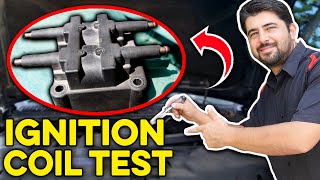
🎬 Watch: Learn the best procedure for testing your ignition coil pack.Choosing the Right Aftermarket Ignition Coil
Since original Mitsubishi (OEM) coil packs for this generation can be hard to find or expensive, most owners will choose an aftermarket part. Quality varies, so it's important to pick a reliable brand. Aftermarket coils are generally grouped into a few quality tiers.
Premium Aftermarket Brands ($70 - $201)
These brands are known for meeting or exceeding OEM specifications and are trusted by many mechanics. They use high-quality materials for windings and insulation to ensure a long service life and consistent performance.
- Standard Ignition (SMP): A well-regarded brand in the aftermarket industry, often considered a top-tier choice when OEM isn't available. They are known for quality manufacturing.
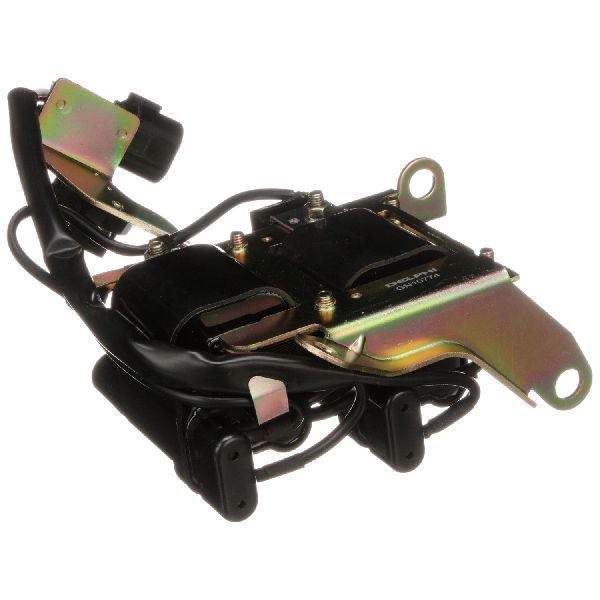
- Delphi: Delphi is an OEM supplier for many car manufacturers and has a strong reputation for quality ignition components. They use advanced winding and insulation techniques to prevent internal shorts and failures.
Standard Aftermarket Brands ($40 - $70)
These brands offer a good balance of price and quality for a daily driver. They are a solid step up from the cheapest options.
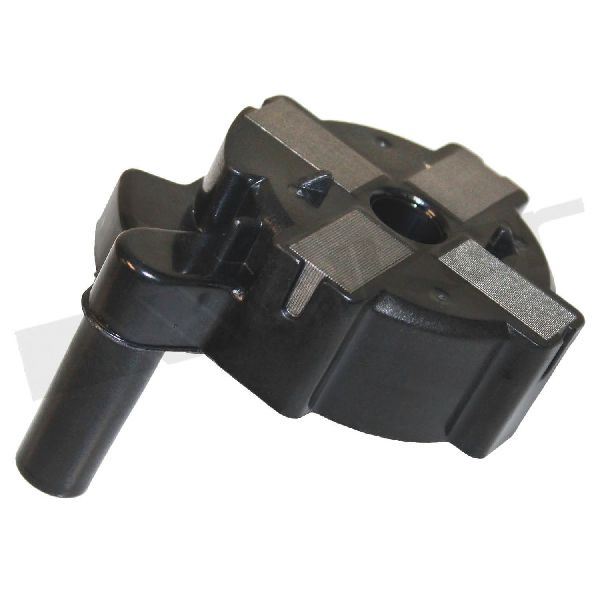
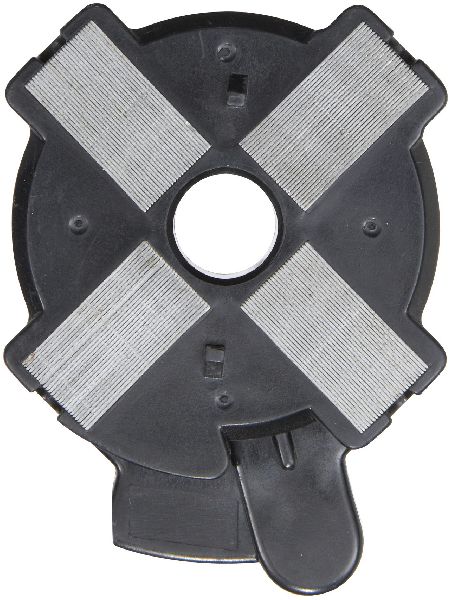
- Walker Products: An established aftermarket company that produces a wide range of engine management parts. Their coils are designed to meet OEM requirements and offer reliable performance.
- Spectra: A common brand that provides a wide variety of aftermarket parts, offering a dependable replacement for the factory coil.
Economy Brands ($16 - $40)
While the low price is tempting, economy coils can be a gamble. They may use lower-quality materials, leading to a shorter lifespan and potential performance issues. For a car you rely on, it's often worth spending a little more for a better-quality part.
- Global Parts (GPD)
- Prenco
Pro Tip: Replace Wires and Plugs at the Same Time
To get the best performance and reliability from your new ignition coil, it's highly recommended to replace the spark plugs and spark plug wires at the same time. Old, worn-out wires can have high resistance, which puts extra strain on the new coil and can cause it to fail prematurely.
Cost of Replacing Your Ignition Coil
The cost can vary depending on the brand you choose and whether you do the work yourself. The job is straightforward for a DIY mechanic with basic tools.
| Part Type | Estimated Cost |
|---|---|
| New Aftermarket | $16.77 - $201.11 |
| New OEM | $100 - $155+ (if available) |
| Shop Labor | $50 - $100 |
Frequently Asked Questions (FAQ)
Is it hard to replace the ignition coil on a 1G Eclipse?
No, it's a relatively easy job. The coil pack is located on the driver's side of the engine bay, near the intake manifold. It is held on by a few bolts, and you just need to disconnect the electrical connector and the four spark plug wires. The entire job can usually be done in under 30 minutes with basic hand tools like a socket set.
Do I need a special coil for my turbo (GST/GSX) vs. non-turbo (GS) model?
For the 1990-1994 model years, the 2.0L turbo (4G63T) and 2.0L non-turbo (4G63) engines often use the same ignition coil pack. However, the 1.8L engine (4G37) uses a different coil. Always confirm the part fits your specific engine before ordering. There were also slight differences in the coil and igniter between 1990 models and 1991-1994 models, so be sure to get the correct one for your year.
What is a "waste spark" system?
A waste spark system uses one ignition coil to fire two spark plugs simultaneously. For example, in your 4-cylinder engine, one coil fires cylinders 1 and 4 at the same time, while the second coil fires cylinders 2 and 3. One spark happens in a cylinder that's ready for combustion (compression stroke), and the other spark is "wasted" in a cylinder that's finishing its exhaust stroke. It's a simpler, more reliable design than the older distributor-based systems.
Can a bad ignition coil damage my engine?
Yes, indirectly. Driving for a long time with a misfiring cylinder allows unburnt fuel to get into the exhaust system. This can overheat and destroy your catalytic converter, which is an expensive repair. A severe misfire also puts extra strain on engine internals. It's best to fix the problem as soon as you notice it.
Helpful Videos
Technical Specifications
OEM Part Numbers: MD152999 MD184231 MD126461
This vehicle uses a dual-coil waste spark system integrated into a single coil pack, triggered by an external power transistor unit (igniter).
We Have This Part in Stock


The information in this article is provided for general reference and educational purposes only. Vehicle specifications, procedures, and part compatibility can vary by production date, trim level, and region. Always consult your vehicle's factory service manual and verify part numbers before purchasing or performing repairs. Safety-critical components such as airbags, seat belts, and braking systems should be installed by a qualified professional.
- Mitsubishi Eclipse:
- 🎬 Helpful Videos
- 🛍️ Shop This Part
- Is Your Eclipse Ignition Coil Failing?
- Common Symptoms of a Bad Ignition Coil:
- Check the Power Transistor Unit (PTU) First!
- Choosing the Right Aftermarket Ignition Coil
- Premium Aftermarket Brands ($70 - $201)
- Standard Aftermarket Brands ($40 - $70)
- Economy Brands ($16 - $40)
- Pro Tip: Replace Wires and Plugs at the Same Time
- Cost of Replacing Your Ignition Coil
- Frequently Asked Questions (FAQ)
- 🎟️ Get 5% Off