

Choosing the Right Oxygen Sensor for Your 1990-1994 Mitsubishi Eclipse
Restore your first-gen DSM's fuel economy and performance by understanding its unique oxygen sensor needs.
- Stick with Denso or NGK/NTK brands for OEM-level performance and reliability; Denso is the likely original manufacturer.
- Your Eclipse has only one upstream O2 sensor; there is no downstream sensor to worry about.
- A bad sensor will trigger OBD-I Code 11 and severely hurt your gas mileage.
- Use a special O2 sensor socket and penetrating oil for removal, as the old sensor is often seized.
Is Your Eclipse's Oxygen Sensor Failing?
A bad oxygen (O2) sensor can cause noticeable problems, but since these cars are from the early '90s, the symptoms can sometimes be mistaken for other issues. The most common sign is the Check Engine Light, which will trigger a specific code on your car's OBD-I system. Unlike modern cars, you'll need an analog voltmeter to read the code from the diagnostic port under the dashboard.
Key symptoms include:
- Poor Gas Mileage: This is the most common complaint. A failing sensor often tells the ECU the engine is running lean, causing it to dump extra fuel.
- Check Engine Light (CEL): For this Eclipse, a faulty O2 sensor will typically trigger OBD-I Code 11.
- Rough Idle or Stalling: An incorrect air-fuel mixture disrupts smooth engine operation, causing shaking or even stalling at stops.
- Black Smoke from Exhaust: This indicates a very rich fuel mixture, meaning unburned fuel is passing through the engine.
- Failed Emissions Test: An inability to regulate the air-fuel mixture properly will lead to high levels of pollutants in the exhaust.
Choosing the Right Aftermarket O2 Sensor Brand
For a Japanese performance car like the 1G Eclipse, brand choice matters. While many options exist, owner experiences point to a clear hierarchy in terms of quality and reliability. OEM parts are likely discontinued or prohibitively expensive, making high-quality aftermarket the best choice.
Aftermarket Brand Quality Tiers
| Tier | Brands | Assessment |
|---|---|---|
| Tier 1: OEM Quality | Denso, NGK (NTK) | Highly recommended by DSM owners. Denso is widely considered the original equipment manufacturer (OEM) for Mitsubishi. These sensors provide the best performance, reliability, and longevity. They are direct-fit and require no modifications. |
| Tier 2: Good Value | Bosch | Generally considered a decent budget alternative. While some owners have reported issues or shorter lifespans compared to Denso/NGK, many use them without problems. Ensure you get a direct-fit model, not a universal one that requires splicing wires. |
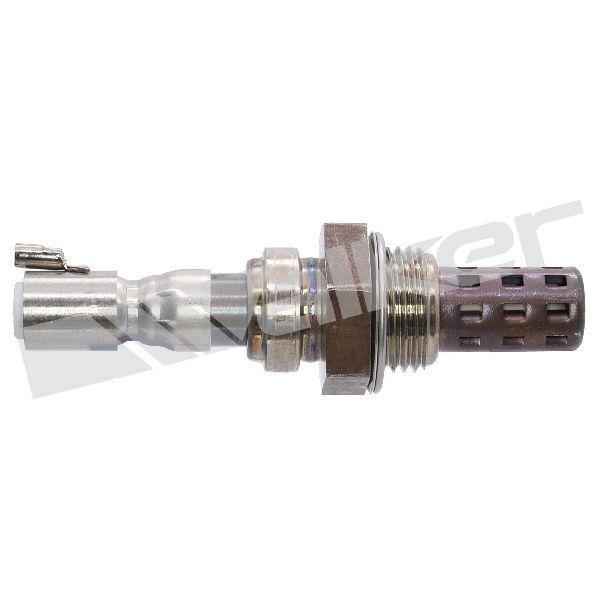
| Tier 3: Economy | Walker Products, Spectra | These are budget-friendly options that will get the job done. However, their long-term reliability and performance may not match the higher-tier brands. They are best suited for a quick fix or if budget is the primary concern. |
Installation Pro-Tip
The original O2 sensor can be extremely difficult to remove after 30+ years of heat cycles. Spray the sensor's threads liberally with a penetrating catalyst like PB Blaster and let it soak for at least 30 minutes before attempting removal. Using a dedicated O2 sensor socket, which has a slot for the wire, is highly recommended and makes the job much easier. Always apply the included anti-seize compound to the threads of the new sensor before installation.
Frequently Asked Questions (FAQ)
How many oxygen sensors does my 1990-1994 Eclipse have?
All 1990-1994 models, whether turbo or non-turbo, have only one oxygen sensor. It is an "upstream" sensor located in the exhaust manifold or O2 housing, before the catalytic converter. These cars do not have a downstream sensor for monitoring the converter.
What is OBD-I Code 11?
Code 11 is the diagnostic trouble code for an oxygen sensor fault on the 1990-1994 Mitsubishi OBD-I system. You cannot use a modern OBD-II scanner to read this code. It must be read by connecting an analog voltmeter to the diagnostic port under the driver's side dashboard and counting the needle sweeps.
Is it difficult to replace the O2 sensor myself?
The replacement is mechanically simple and considered a feasible DIY job. The main difficulty comes from the old sensor being seized in the exhaust housing. With the right tools (an O2 sensor socket and a breaker bar) and penetrating oil, it can typically be done in under an hour.
Should I buy a cheaper "universal" sensor?
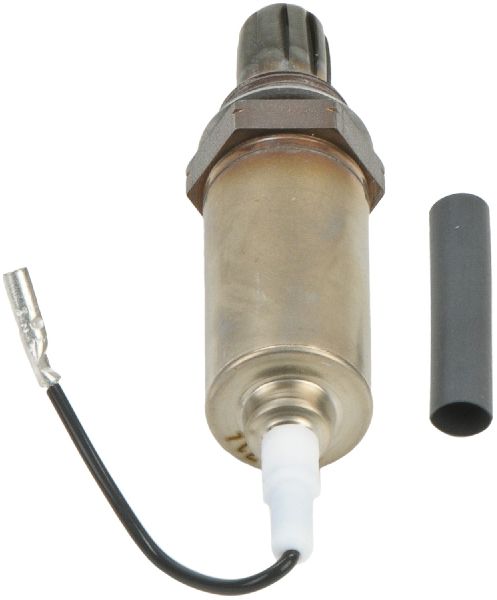
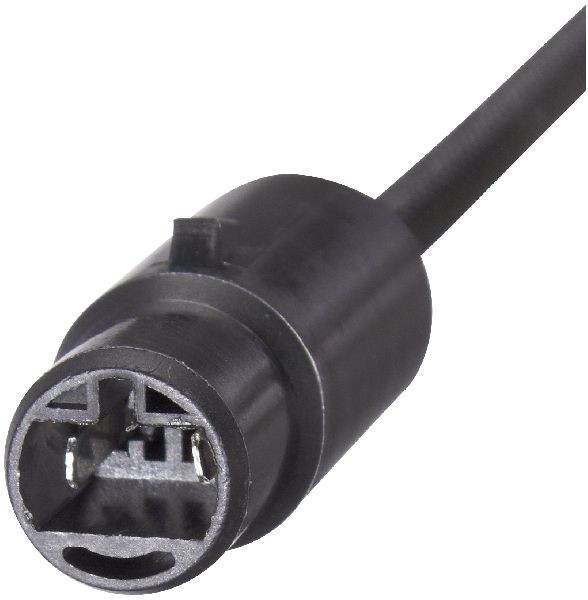
It is strongly recommended to avoid universal sensors. These require you to cut your factory wiring harness and splice the new sensor in. This introduces a potential point of failure. A direct-fit sensor from a reputable brand like Denso or NGK includes the correct plug for a simple, reliable installation.
Technical Specifications
OEM Part Numbers: MD140182 MD152818 MD186991
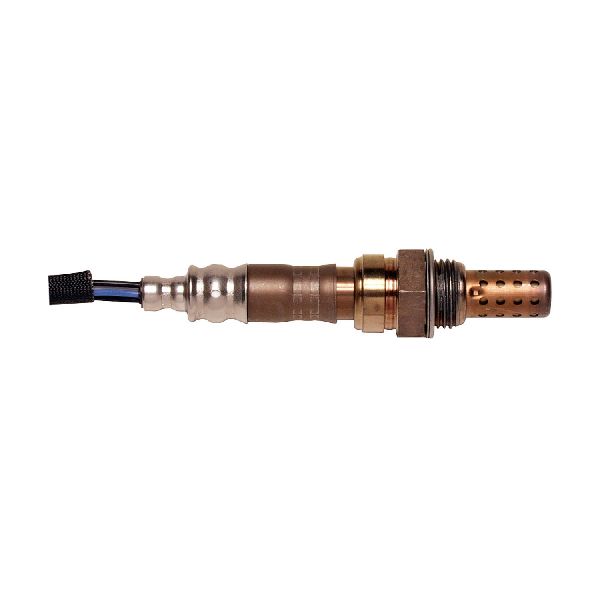
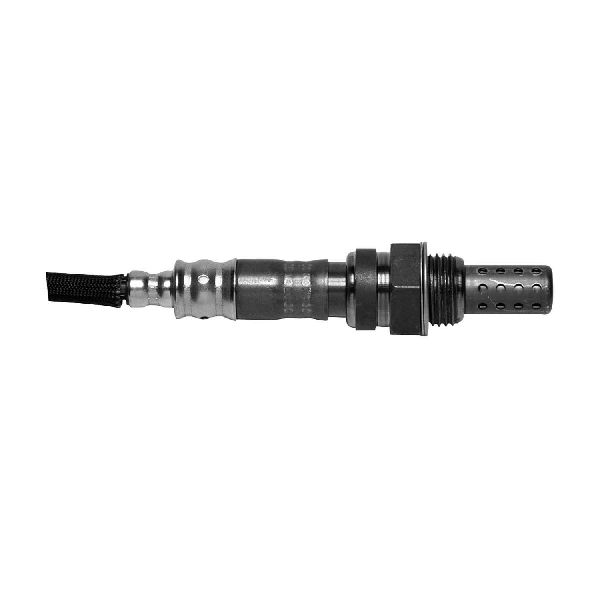
Location: Upstream (pre-catalytic converter). Quantity: 1. Type: 4-wire, heated.
We Have This Part in Stock

The information in this article is provided for general reference and educational purposes only. Vehicle specifications, procedures, and part compatibility can vary by production date, trim level, and region. Always consult your vehicle's factory service manual and verify part numbers before purchasing or performing repairs. Safety-critical components such as airbags, seat belts, and braking systems should be installed by a qualified professional.
- Mitsubishi Eclipse: