

Accessory Drive Belt Guide for the 1990-1994 Mitsubishi Eclipse
Keeping your 1st Gen Eclipse running smoothly starts with understanding its unique accessory belt system.
- Your 1990-1994 Eclipse uses a set of multiple V-belts, not a single serpentine belt.
- Squealing is the first sign of trouble; address it before a belt breaks and leaves you stranded.
- High-quality aftermarket brands like Gates, Continental, and Bando are excellent, reliable choices for this car.
- Plan to replace all accessory belts at the same time for peace of mind, as the labor is the same.
Understanding Your Eclipse's Belt System
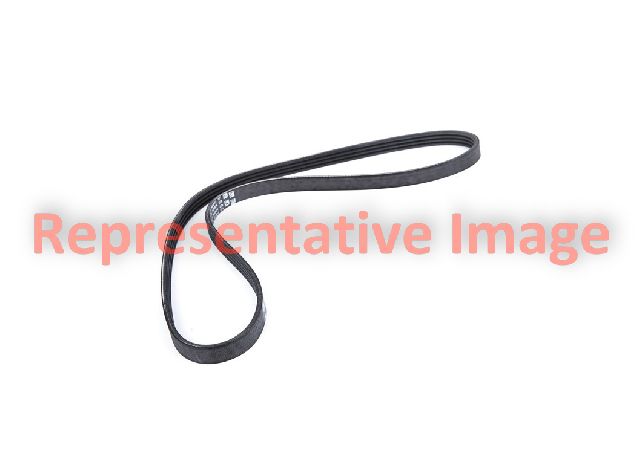
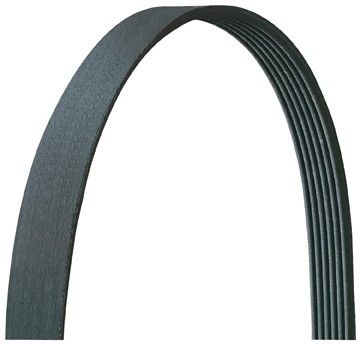
If you're looking for a single "Serpentine Belt" for your 1990-1994 Eclipse, you might be surprised. These cars don't use one long belt. Instead, they have a system of multiple, individual accessory drive belts, also known as V-belts. Depending on your engine (1.8L or 2.0L) and options like air conditioning, you will have two or three separate belts. It's common to replace all of them at the same time.
Symptoms of a Worn-Out Accessory Belt
A failing belt gives you warning signs. Ignoring them can lead to a breakdown. Here’s what to look and listen for:
- Squealing Noises: A high-pitched squeal, especially when you start the engine, accelerate, or turn on the A/C, is the most common sign of a slipping belt.
- Loss of Accessories: If your power steering becomes heavy, the battery light comes on, the A/C blows warm air, or the engine temperature starts to rise, a belt may have snapped or is slipping badly.
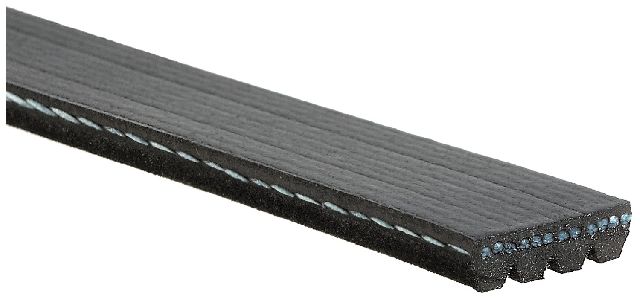
- Visible Damage: Pop the hood and inspect the belts. Look for cracks, fraying, missing ribs, or a glazed, shiny appearance on the belt's surface. Any visible damage means it's time for a replacement.
Can I Drive with a Bad Belt?
It is not recommended. If the belt driving the alternator and water pump fails, your engine will quickly overheat and the car will lose all electrical power once the battery is drained. This can leave you stranded and cause serious engine damage.
Choosing the Right Aftermarket Belts
For a vehicle like the 1st Gen Eclipse, high-quality aftermarket belts are an excellent choice and often meet or exceed original specifications. There is little benefit to hunting down expensive and rare OEM Mitsubishi belts. Here’s a breakdown of the available brands:
- Tier 1 (OEM Quality): Gates and Continental are top-tier brands often used as original equipment by car manufacturers. They are known for durability and reliability. Many experienced mechanics prefer Gates for its consistent quality. Continental belts are also noted for quiet operation.
- Tier 1 (OEM Alternative): Brands like Bando and Mitsuboshi are major OEM suppliers for Japanese vehicles and are considered excellent choices for the Eclipse.
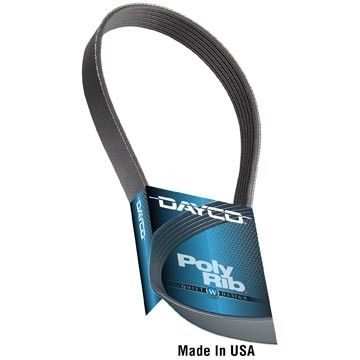
- Tier 2 (Quality Aftermarket): Dayco is a well-known aftermarket brand that offers a good balance of price and performance. They are a reliable option for a daily driver.
Pro Tip: Since you have multiple belts, it's a good practice to replace them all at once. The labor involved to change one belt is nearly the same as changing all of them.
Cost to Replace Eclipse Accessory Belts
| Part | Estimated Cost |
|---|---|
| Aftermarket Belt Set (All Belts) | $25 - $60 |
| Shop Labor | $150 - $300 |
| Total Estimated Cost | $175 - $360 |
Costs are estimates and can vary by location and shop. The job is more labor-intensive than on many other cars.
Frequently Asked Questions (FAQ)
Is there a recall on the serpentine belt for the 1990-1994 Eclipse?
No, there are no specific recalls or technical service bulletins (TSBs) from the NHTSA related to the accessory drive belts for this vehicle.
Is this a difficult job to do myself?
For a DIYer, this is a moderately difficult job. Access is tight, and it often requires removing a passenger-side motor mount and supporting the engine to get the belts on and off. It is feasible with the right tools and patience.
How many belts does my Eclipse have?
It depends on your engine and options. Most 1990-1994 models have a system of two or three individual belts that drive the accessories. You will need to purchase a set of belts, not just one.
Should I replace the tensioners or pulleys too?
While replacing the belts, it is a good idea to inspect the tensioner pulleys and idler pulleys. Spin them by hand. If they feel rough, make noise, or wobble, they should be replaced to prevent them from damaging your new belts.
Technical Specifications
OEM Part Numbers: MD176795 MD186122
System uses multiple V-belts. Number and length of belts vary based on engine (1.8L/2.0L) and presence of Air Conditioning.
We Have This Part in Stock

The information in this article is provided for general reference and educational purposes only. Vehicle specifications, procedures, and part compatibility can vary by production date, trim level, and region. Always consult your vehicle's factory service manual and verify part numbers before purchasing or performing repairs. Safety-critical components such as airbags, seat belts, and braking systems should be installed by a qualified professional.
- Mitsubishi Eclipse: