

Spark Plug Guide for the 1990-1994 Mitsubishi Eclipse
Choosing the right spark plugs is critical for the health and performance of your 1G Eclipse engine.
- For turbo models (GS-T, GSX), use NGK copper plugs like BPR6ES for stock boost or a colder BPR7ES for modified engines.
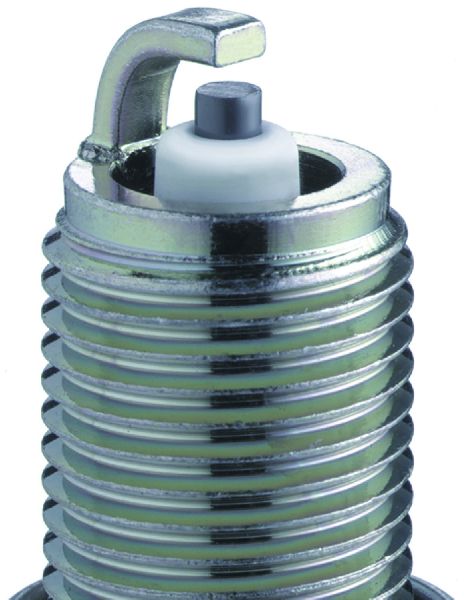
- Always check and adjust the spark plug gap before installation; it is critical for performance. A common gap for turbo models is .028" and .044" for non-turbo.
- Spark plug replacement is a simple, beginner-friendly DIY task that can be completed in under an hour.
- Symptoms like a rough idle, hesitation, and poor fuel economy are strong indicators that your spark plugs need to be replaced.
Symptoms of Failing Spark Plugs
When your spark plugs are wearing out, your Eclipse will give you several warning signs. Ignoring them can lead to bigger problems, so it's best to address them quickly.
Common Failure Symptoms:
- Rough Idle: The engine may shake or vibrate more than usual when stopped.
- Misfires: You might feel a hesitation or stumble from the engine, especially when you accelerate. This can trigger a check engine light.
- Poor Acceleration: The car may feel sluggish and lack its usual power.
- Reduced Fuel Economy: You'll find yourself visiting the gas station more often because worn plugs can't burn fuel efficiently.
- Difficulty Starting: A weak spark makes it harder for the engine to turn over, particularly in cold weather.
Choosing the Right Aftermarket Spark Plugs
You don't need to buy spark plugs from the dealer to get great performance. Many aftermarket brands offer excellent quality, often better than what the car came with. For the 1G DSM (Diamond-Star Motors) community, which includes your Eclipse, certain plugs are proven winners.
Brand Tiers for Your Eclipse
Tier 1: Highly Recommended (Especially for Turbo Models)
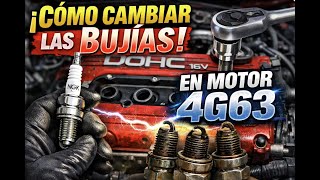
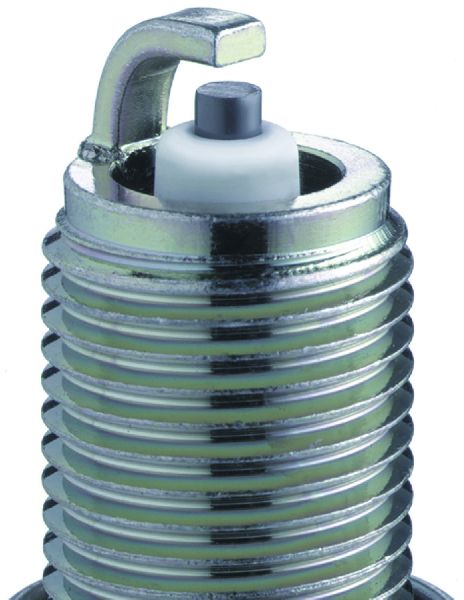
- NGK: This is the go-to brand for most Eclipse owners, especially for the turbo 4G63T engine. 🎬 See how to perform a spark plug change on the 4G63. The simple and affordable NGK BPR6ES copper plugs are a long-time favorite for stock or mildly modified turbo cars. For higher boost applications, many owners use a "colder" plug like the BPR7ES to prevent detonation. Non-turbo models also run great on NGK plugs, typically the BPR6ES-11.
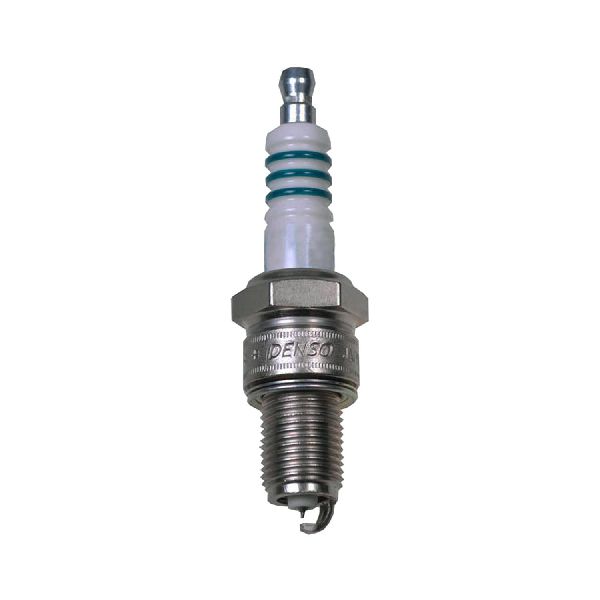
- Denso: Another high-quality Japanese brand, Denso plugs are a solid choice. While NGK is more commonly discussed in DSM forums, Denso offers excellent reliability and performance for daily driving.
Tier 2: Good Quality Options
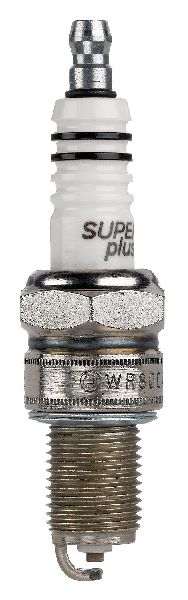
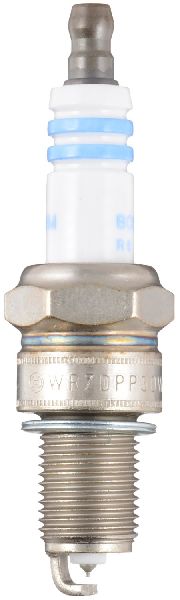
- Bosch: Bosch offers a range of platinum and iridium plugs that are a good upgrade over standard copper plugs for longevity. They are a reliable choice for non-turbo models or stock turbo applications.
- Autolite: Often available as iridium or platinum options, Autolite can provide long service life and consistent performance, making them a good option for daily driven cars.
Tier 3: Budget-Friendly
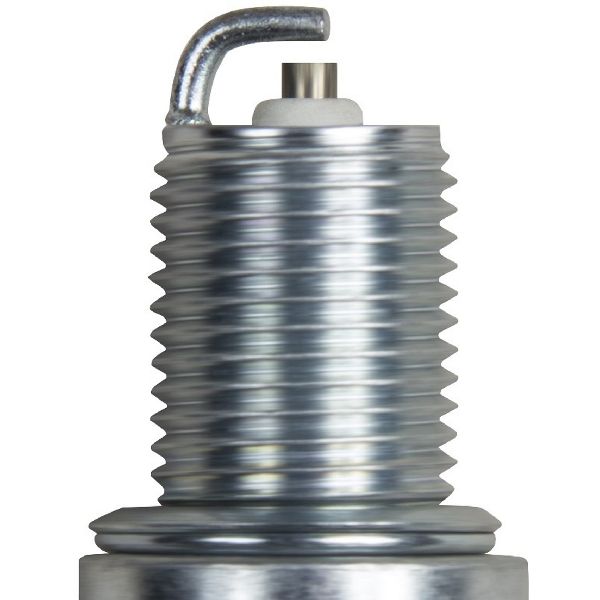
- Champion: These plugs meet basic requirements and are a cost-effective choice for standard, non-turbo engines. For the performance-oriented turbo models, sticking with NGK is strongly recommended by enthusiasts.
A Note on Plug Material
- Copper: Best for performance, especially in turbo cars, but they wear out fastest (check/replace every 10,000-20,000 miles). The DSM community widely prefers copper NGK plugs for turbo models.
- Iridium/Platinum: Last much longer (60,000-100,000 miles). A great "install and forget" option for non-turbo engines. While available for turbo models, many tuners prefer the performance characteristics and lower cost of copper plugs, even if it means more frequent changes.
Cost of Aftermarket Spark Plugs (1990-1994 Eclipse)
| Part | Price Range (Single Plug) |
|---|---|
| New Aftermarket Spark Plug | $3.35 - $16.38 |
Prices are estimates and can vary by brand, material, and retailer. A full set of four plugs is required.
Frequently Asked Questions
Do I need to gap my new spark plugs?
Yes, always check the gap. Even if plugs are advertised as "pre-gapped," they can be incorrect out of the box. The correct gap is critical for performance. For turbo (4G63T) engines, a common gap is around 0.028 inches. For non-turbo (4G63/4G37) engines, it's larger, around 0.044 inches. Always verify the specification for your exact engine.
Which spark plug heat range is right for my car?
For a stock or lightly modified Eclipse, the standard heat range (like NGK's "6") is fine. If you have significantly increased boost or other major power modifications on a turbo model, you should use a colder plug (like NGK's "7" or "8") to help prevent engine-damaging detonation.
How often should I change my spark plugs?
It depends on the plug material. Standard copper plugs, often used in turbo models, should be checked or changed every 10,000-20,000 miles. Long-life iridium or platinum plugs can last up to 100,000 miles, but it's good practice to inspect them every 30,000 miles.
Are there any recalls or TSBs for spark plugs on this Eclipse?
No specific recalls or Technical Service Bulletins (TSBs) were found for spark plugs on the 1990-1994 Mitsubishi Eclipse. Any recalls for this vehicle are for other issues, such as a transfer case lockup on GSX models or fuel system components.
Is it hard to change the spark plugs myself?
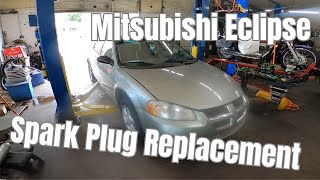
No, this is a great DIY job for beginners. You'll need a spark plug socket, a ratchet with an extension, and a gap tool. The job is straightforward on all 1G Eclipse engines and typically takes less than an hour. 🎬 Watch this step-by-step guide to replacing your Eclipse spark plugs. Just make sure the engine is cool before you start.
Helpful Videos
Technical Specifications
OEM Part Numbers: MS851336 MS851358 MS851361
Spark Plug Gap: - 2.0L Turbo (4G63T): 0.7-0.8 mm (0.028-0.032 in) - 2.0L Non-Turbo (4G63): 1.1 mm (0.044 in) - 1.8L (4G37): 1.1 mm (0.044 in) Recommended Plugs (Turbo): - NGK BPR6ES (Stock/Mildly Modified) - NGK BPR7ES (Higher Boost) Recommended Plugs (Non-Turbo): - NGK BPR6ES-11
We Have This Part in Stock

The information in this article is provided for general reference and educational purposes only. Vehicle specifications, procedures, and part compatibility can vary by production date, trim level, and region. Always consult your vehicle's factory service manual and verify part numbers before purchasing or performing repairs. Safety-critical components such as airbags, seat belts, and braking systems should be installed by a qualified professional.
- Mitsubishi Eclipse: