

A Guide to Suspension Ball Joints for the 1990-1994 Mitsubishi Eclipse
Address clunking sounds and steering wander by understanding how to choose the right replacement ball joint for your 1st Gen Eclipse.
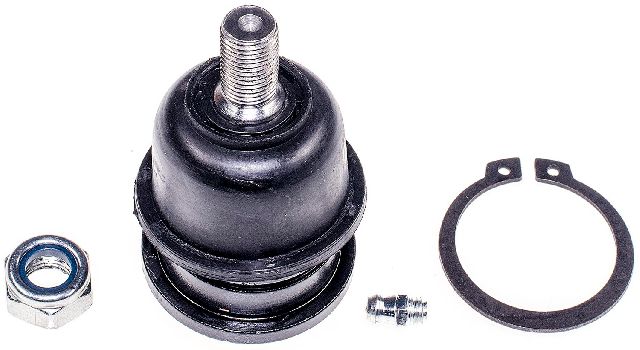
- The ball joints on the 1990-1994 Eclipse are a press-in design, which requires a special tool for replacement.
- For an easier and more complete repair, consider replacing the entire lower control arm, which comes with a new ball joint and bushings pre-installed.
- Some owners report that modern Moog ball joints can be too small for the 1G control arm; check forum feedback for brands like Mevotech that have confirmed fitment.
- A four-wheel alignment is mandatory after replacing ball joints to prevent unsafe handling and rapid tire wear.
Is Your Eclipse's Ball Joint Failing?
A worn ball joint is more than just an annoying noise; it's a serious safety concern. Because the entire weight of the front of the car rests on this small part, a complete failure can cause the suspension to separate from the wheel. This results in a loss of control. Listen and feel for these common symptoms:
- Clunking or Knocking Sounds: You may hear a distinct clunking sound from the front wheel area, especially when going over bumps, dips, or turning the steering wheel. This is caused by excessive play in the worn joint.
- Steering Wander: The steering may feel loose, vague, or unresponsive. You might find yourself constantly making small corrections to keep the car driving straight.
- Uneven Tire Wear: A bad ball joint can alter the vehicle's alignment, causing the inside or outside edge of your front tires to wear out faster than the rest of the tread.
Choosing the Right Aftermarket Replacement
Original Equipment (OEM) ball joints for a 1st Gen Eclipse are generally unavailable or difficult to source. The good news is that the aftermarket offers several options. For this specific vehicle, you have two main choices for the repair:
- Press-in Ball Joint: This is just the joint itself. The old joint must be pressed out of the lower control arm and the new one pressed in using a special tool. This is more labor-intensive.
- Complete Control Arm Assembly: This part includes a new control arm with the ball joint and bushings already installed. This is often the easier and smarter repair, as it also replaces old, worn-out control arm bushings at the same time.
Pro Tip: Consider the Whole Assembly
For a car of this age, the rubber bushings on the original control arm are likely worn out. Replacing the entire control arm assembly saves you the difficult job of pressing the old ball joint out and ensures all related components are new. This can provide a better, longer-lasting repair.
Aftermarket Brand Tiers for 1st Gen Eclipse
Not all aftermarket brands are created equal. Based on owner experiences in DSM (Diamond-Star Motors) communities, here is an honest breakdown of available brands:
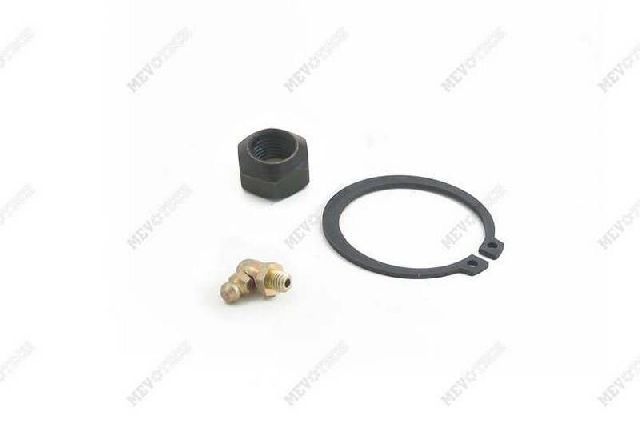
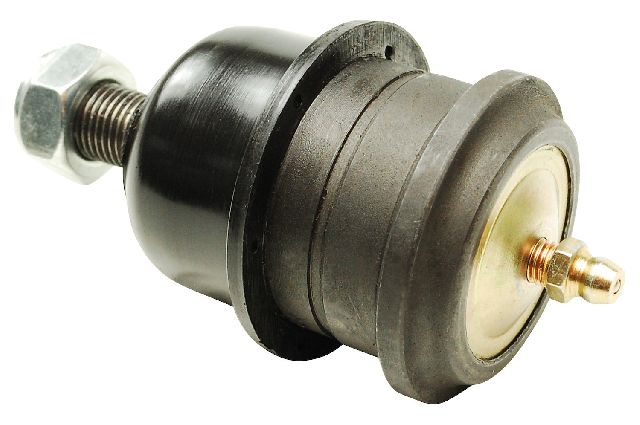
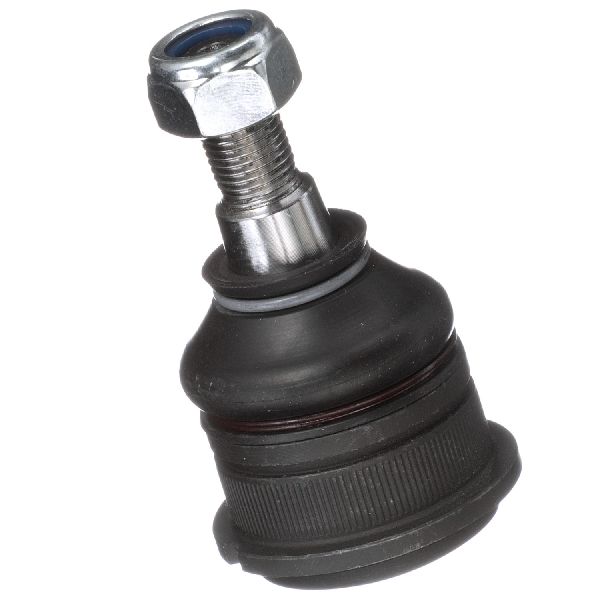
- Premium Aftermarket (Good Fitment Reported): Brands like Mevotech (specifically the 'Supreme' line) and Delphi are often recommended. Forum users have reported good fitment with Mevotech part number MK9617 on 1st Gen cars where other brands have failed.
- Standard Aftermarket (Use with Caution): Moog has historically been a top brand, but some owners have reported that their modern replacement ball joints for the 1990-1994 Eclipse are slightly too small for the control arm, causing a loose fit. While Moog is excellent for many applications, be cautious and verify fitment for this specific vehicle.
- Economy Brands: Brands like Dorman, QuickSteer, and Suspensia are also available. These can be a cost-effective choice, but quality can be inconsistent. Some users have noted concerns with the quality of welds on Dorman control arm assemblies.
Known Issues, Recalls, or TSBs
Searches of the National Highway Traffic Safety Administration (NHTSA) database show no specific recalls or Technical Service Bulletins (TSBs) for suspension ball joint failure on the 1990-1994 Mitsubishi Eclipse. While one forum post mentioned a recall on the lower control arm, this could not be officially verified. Any failure is typically due to age and wear.
| Part Type | Estimated Cost |
|---|---|
| Aftermarket Ball Joint Only | $16 - $27 |
| Aftermarket Control Arm w/ Ball Joint | $45 - $125 |
| Shop Labor (per side) | $150 - $275 |
Frequently Asked Questions (FAQ)
Is replacing a ball joint a good DIY job?
This is an advanced DIY job. The ball joints on a 1st Gen Eclipse are pressed into the control arm, requiring a special ball joint press tool. If you are not experienced with suspension work or do not have the right tools, it is best to leave this job to a professional mechanic.
Should I replace ball joints in pairs?
Yes. If one ball joint has failed due to age and mileage, the one on the other side is likely not far behind. Replacing both at the same time saves you from doing the job twice and allows for a single, accurate alignment.
Do I need a wheel alignment after replacing a ball joint?
Yes, absolutely. Replacing a ball joint or control arm will change the front suspension geometry. A full four-wheel alignment is required to ensure proper handling, prevent tire wear, and make sure the vehicle drives straight.
What is the difference between a press-in and a bolt-in ball joint?
The 1990-1994 Eclipse uses a press-in ball joint, which is held in the control arm by a very tight interference fit. A bolt-in ball joint is simply secured with bolts and is much easier to replace. The press-in style requires a heavy-duty C-clamp press for removal and installation.
Technical Specifications
OEM Part Numbers: MB241883
Interchange Part Number: K9617. Design Type: Press-in. Location: Front Lower.
We Have This Part in Stock

The information in this article is provided for general reference and educational purposes only. Vehicle specifications, procedures, and part compatibility can vary by production date, trim level, and region. Always consult your vehicle's factory service manual and verify part numbers before purchasing or performing repairs. Safety-critical components such as airbags, seat belts, and braking systems should be installed by a qualified professional.
- Mitsubishi Eclipse: