

Oxygen Sensor Guide for the 1990-1994 Plymouth Laser
Fix your Laser's performance and fuel economy by understanding and choosing the right oxygen sensor.
- Your 1990-1994 Laser has one upstream oxygen sensor.
- Denso and NGK/NTK are the most recommended brands for reliability in DSM vehicles.
- A bad O2 sensor will cause poor gas mileage, rough running, and failed emissions tests.
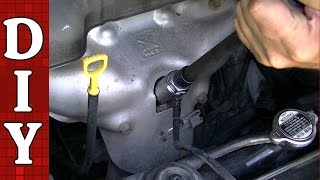
- Replacement is a simple DIY job with a special O2 sensor socket.
Is a bad oxygen sensor hurting your Plymouth Laser?
A failing oxygen sensor is a common issue on older cars like the 1990-1994 Plymouth Laser. When it goes bad, it can't send accurate information to your engine's computer. This often leads to the computer providing the wrong amount of fuel. The result is poor engine performance, bad gas mileage, and potentially damaging other expensive parts like the catalytic converter.
Common Symptoms of a Failing O2 Sensor
🎬 Watch: A visual guide to common bad oxygen sensor symptoms.- Check Engine Light: A faulty sensor is a frequent cause for the check engine light to come on.
- Poor Fuel Economy: The engine computer may enrich the fuel mixture, causing you to use more gas.
- Rough Idle or Stalling: An incorrect air/fuel ratio can make your engine run rough or even stall.
- Failed Emissions Test: The sensor is key to controlling emissions, and a bad one will almost certainly cause a test failure.
- Black Smoke or "Rotten Egg" Smell: These can be signs of an overly rich fuel mixture that isn't burning completely.
Choosing the Right Aftermarket O2 Sensor
You don't need to buy an expensive sensor from the dealer. Aftermarket brands offer excellent quality, often from the same companies that made the original part. For your Plymouth Laser, which is a Diamond-Star Motors (DSM) vehicle, owner experiences point to specific brands being better choices.
Brand Quality Tiers for Your Laser
Based on owner forums and brand reputation for Japanese vehicles of this era, here is a breakdown of your aftermarket options:
- Top Tier (OEM or Better): Denso and NGK (NTK) are highly recommended. Denso was a frequent original equipment (OE) supplier for Japanese cars, and many DSM owners consider them the best replacement for reliability and performance. NGK, under their NTK sensor brand, is also a world-leading OE supplier with a strong reputation.
- Trusted Aftermarket: Bosch is a well-known brand that invented the oxygen sensor. While they are a solid choice, some DSM owners have noted a preference for Denso or NGK/NTK for best compatibility.
- Standard/Value Tier: Brands like Delphi, Walker Products, and Spectra offer a cost-effective solution. They are standard replacement parts that will get the job done and meet specifications.
Pro Tip: For the best results and longest life, stick with Denso or NGK/NTK. Owners in DSM communities consistently report the best performance and reliability with these brands.
How Much Should a New Oxygen Sensor Cost?
The price for a new aftermarket oxygen sensor for your Laser is very reasonable. The cost depends on the brand you choose. Labor at a shop is typically low for this job, as it's usually easy to access.
| Item | Estimated Cost |
|---|---|
| New Aftermarket O2 Sensor | $21.96 - $85.24 |
| Shop Labor | $50 - $100 |
Frequently Asked Questions
How many oxygen sensors does my 1990-1994 Laser have?
Your Plymouth Laser from this generation has only one oxygen sensor. It is an "upstream" sensor located in the exhaust manifold or the front exhaust pipe, before the catalytic converter.
Is it hard to replace the oxygen sensor myself?
No, this is a great DIY job for beginners. 🎬 See this walkthrough on how to remove and replace the sensor. The sensor is usually easy to locate. You will need a special tool called an oxygen sensor socket, which has a slot for the wire. It's important to let the exhaust cool down completely before starting and to spray the old sensor with penetrating oil to make it easier to remove.
Should I buy a universal sensor or a direct-fit sensor?
Always choose a direct-fit sensor. These come with the correct plug for your Laser's wiring harness, making installation simple. Universal sensors require you to cut and splice wires, which can lead to connection problems.
Can I clean my old oxygen sensor?
While some people attempt to clean them, it is not recommended. Contaminants can poison the sensor internally, and cleaning the outside won't fix it. Given the low cost of a new sensor, replacement is the only reliable solution.
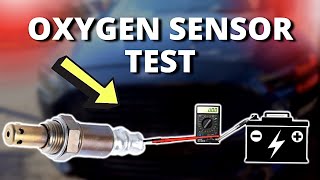
🎬 Learn how to test your sensor before buying a replacement.Helpful Videos
Technical Specifications
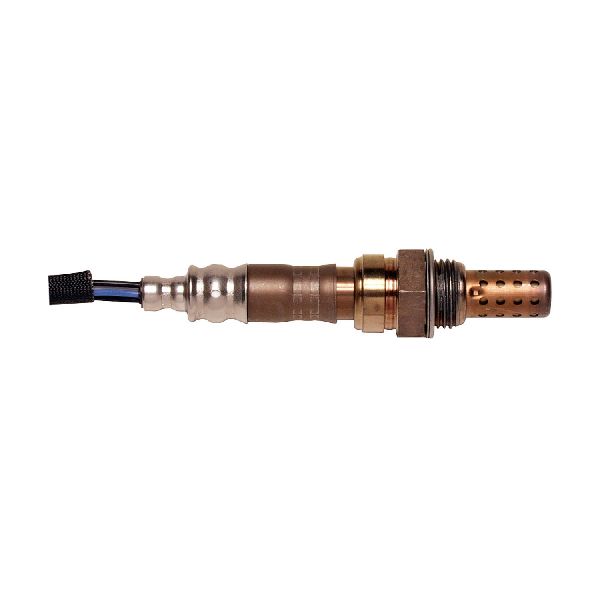
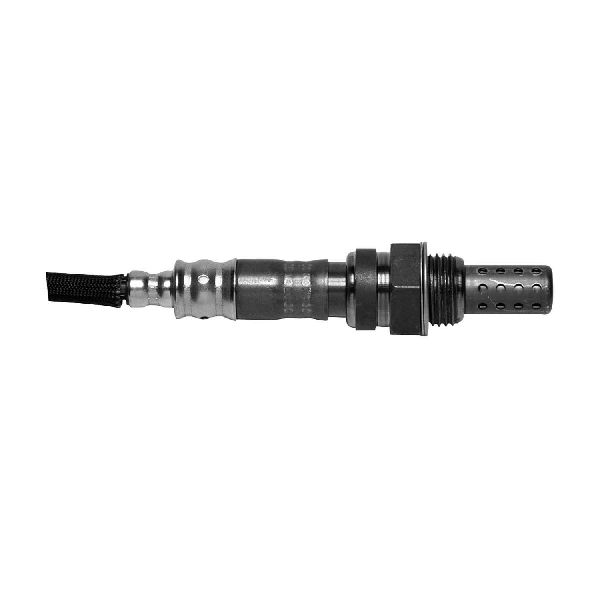
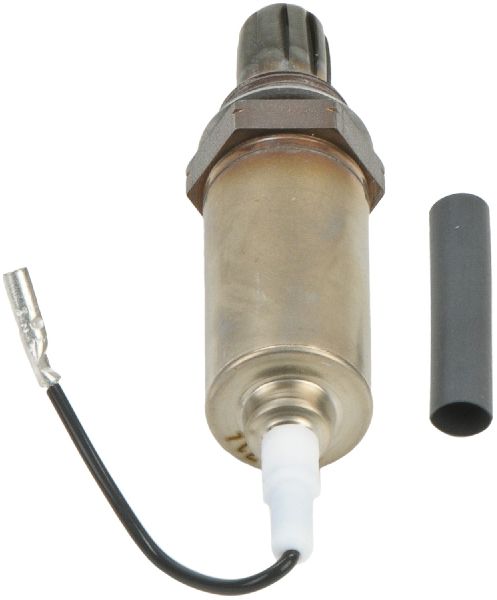
Your Laser uses a single, upstream, narrow-band oxygen sensor. Depending on the engine (1.8L or 2.0L), the wire count may be 1, 2, or 4 wires. It is crucial to order the direct-fit part for your specific engine to ensure the correct plug and wire length.
We Have This Part in Stock
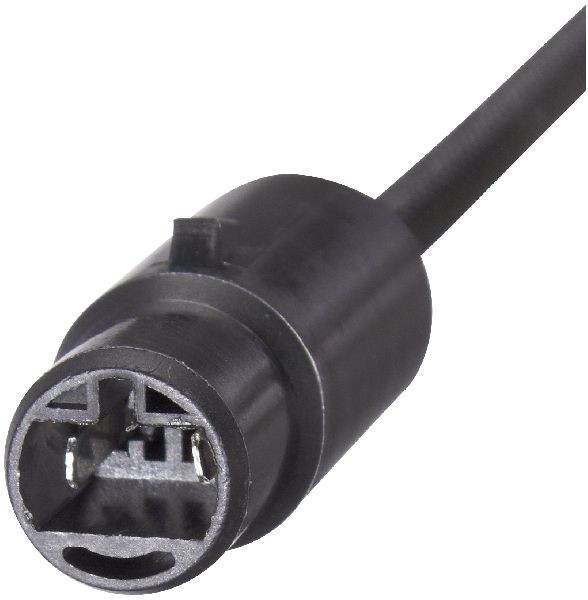
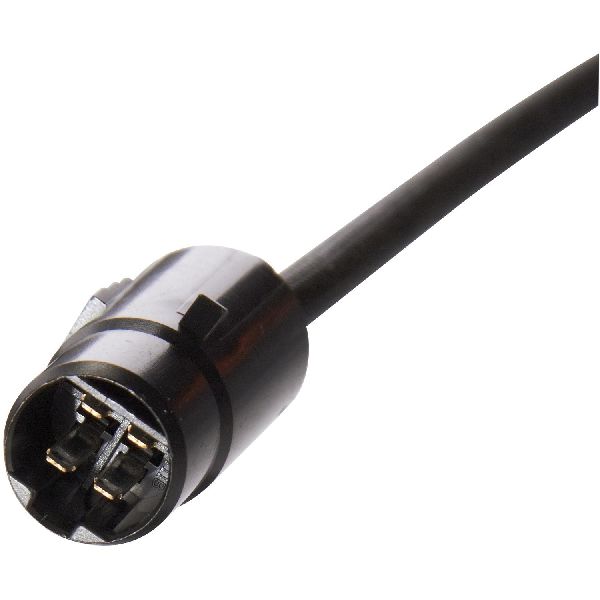
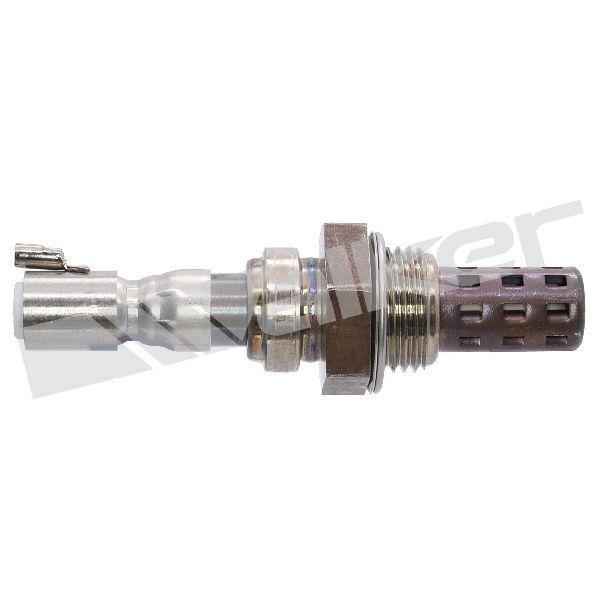

The information in this article is provided for general reference and educational purposes only. Vehicle specifications, procedures, and part compatibility can vary by production date, trim level, and region. Always consult your vehicle's factory service manual and verify part numbers before purchasing or performing repairs. Safety-critical components such as airbags, seat belts, and braking systems should be installed by a qualified professional.
- Plymouth Laser: