

Subaru Legacy Catalytic Converter Replacement Guide (1990-1994)
Everything you need to know before replacing the catalytic converter on your first-generation Subaru Legacy.
- For a 1990-1994 Legacy, aftermarket converters are the most practical and affordable option; OEM parts are likely too expensive or unavailable.
- Symptoms are key for diagnosis; listen for rattles, watch for power loss, and pay attention to smells, as you won't have a reliable check engine light code.
- Extreme rust on bolts is the biggest challenge for replacement; what looks like a simple job can become very difficult.
- Always check if your state requires a more expensive CARB-compliant converter before purchasing a standard EPA version.
Symptoms of a Failing Catalytic Converter
Since most 1990-1994 Legacys are pre-OBDII, you can't rely on a check engine light code to tell you the converter is bad. You need to pay attention to how your car drives, sounds, and smells. Look for these common signs:
- Rattling Noise: A rattling or metallic clunking sound from under the car is a classic sign. This is caused by the ceramic honeycomb inside the converter breaking apart. The loose pieces rattle around inside the converter's metal shell.
- Loss of Power: If your Legacy feels sluggish, struggles to accelerate, or has trouble going up hills, the converter might be clogged. A clogged converter creates backpressure, which chokes the engine and reduces performance.
- Rotten Egg Smell: A strong smell of sulfur or rotten eggs from the exhaust is a telltale symptom. This means the converter is not properly changing the chemical makeup of the exhaust gases.
- Poor Fuel Economy: If you're filling up your gas tank more often, a failing converter could be the cause. The engine has to work harder when the exhaust is restricted, burning more fuel.
- Failed Emissions Test: In many cases, the only way a driver finds out their converter is bad is by failing a state emissions inspection.
Why Converters Fail
A catalytic converter usually fails because of another problem. Common causes include engine misfires or a rich fuel mixture sending unburned fuel into the exhaust, which overheats and melts the converter's internal structure. Leaking head gaskets that allow oil or antifreeze into the exhaust can also contaminate and ruin a converter. Before replacing your converter, make sure you or your mechanic fix the root cause, or you will likely ruin the new one too.
Choosing the Right Aftermarket Converter
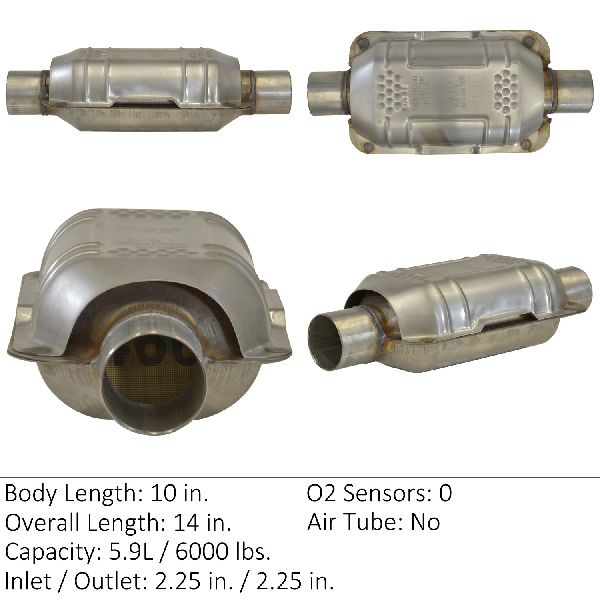
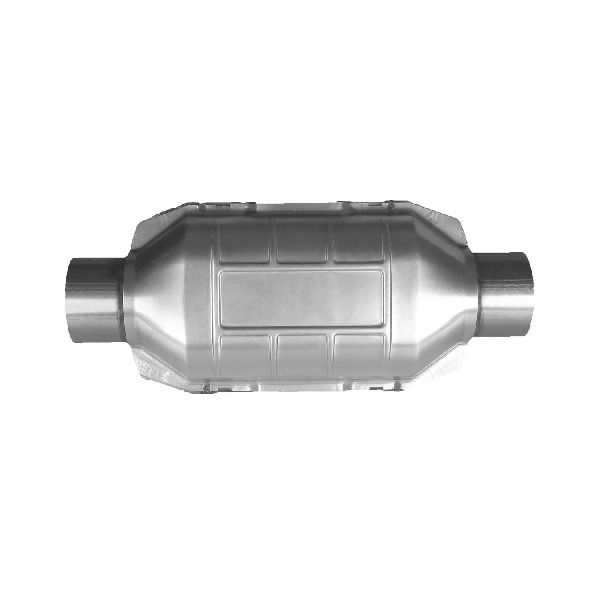
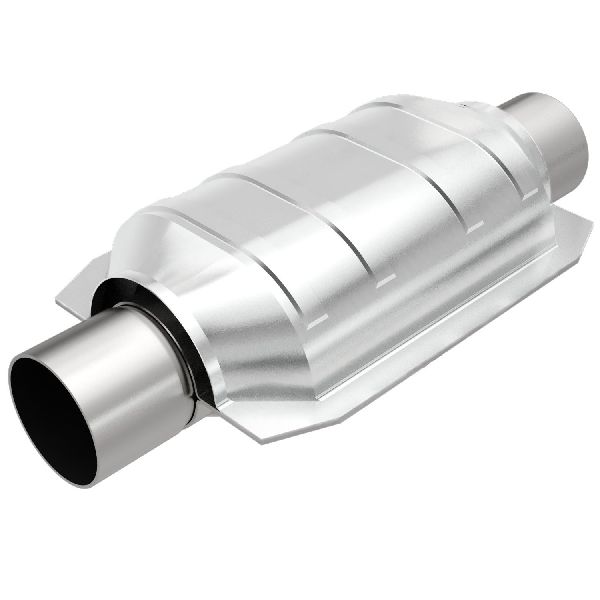
For a car that is over 30 years old, buying a brand new Original Equipment Manufacturer (OEM) converter from Subaru is often not practical. They can be incredibly expensive or may no longer be in production. Aftermarket parts are the most common and affordable choice. However, quality can vary. Aftermarket converters are designed to be a cost-effective replacement and may use fewer precious metals than the original. Here’s a breakdown of common brands.
Brand Tiers
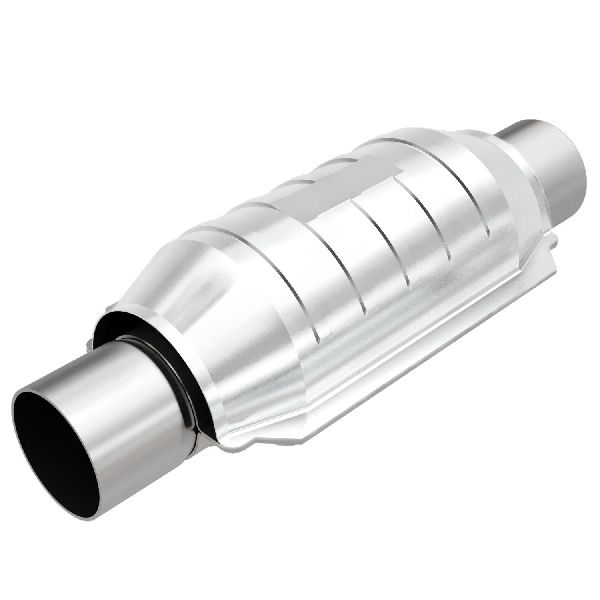
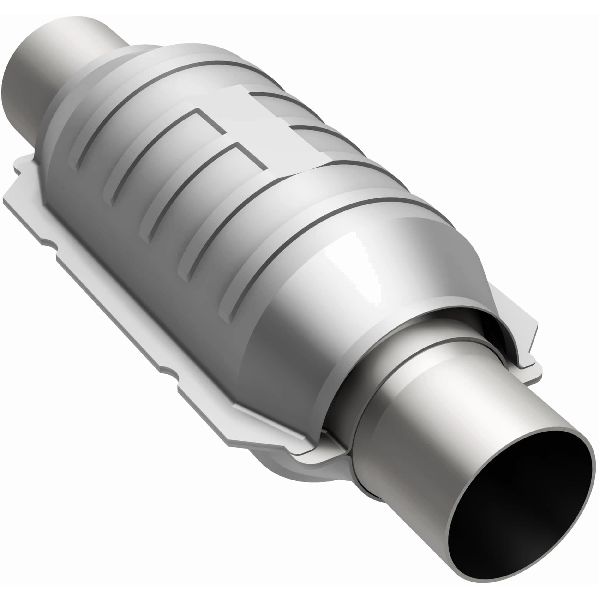
- Premium Aftermarket (MagnaFlow): MagnaFlow is often seen as a higher-quality aftermarket option. They are known for good construction and sometimes offer a slight performance sound. They are typically the most expensive aftermarket choice but are a solid option if you plan to keep your Legacy for a long time.
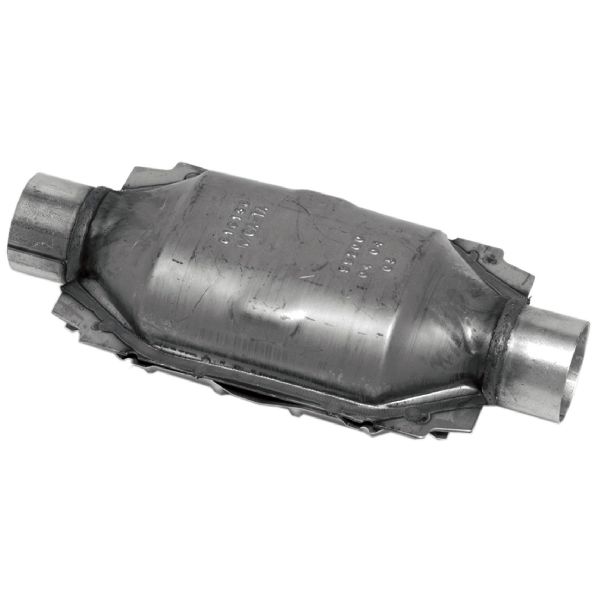
- Standard Replacement (Walker Exhaust): Walker is a very common brand that aims to provide an OEM-like replacement. They are a good middle-of-the-road option for price and quality. Some users in rust-prone areas have reported longevity issues, but for most owners, they provide a reliable repair.
- Economy (AP Exhaust, Eastern Catalytic): These brands offer the most budget-friendly converters. They are a good choice if the lowest price is your main priority. However, be aware that some users report that the fit may not be as precise as more expensive brands, sometimes requiring minor adjustments during installation.
Federal vs. CARB
You must install a converter that meets your state's emissions laws. Most states use the federal EPA standard. However, states like California, Colorado, New York, and Maine require CARB-compliant converters, which are more expensive. Installing a non-compliant part in these states is illegal and will result in a failed inspection. Always check your local regulations before buying.
Replacement Cost
The cost to replace the catalytic converter on a 1990-1994 Subaru Legacy depends on the parts you choose and who does the work.
| Item | Estimated Cost |
|---|---|
| New Aftermarket Converter (Part) | $84 - $293 |
| Shop Labor | $150 - $300 |
| Total Estimated Cost | $234 - $593 |
Cost estimates are for one converter and do not include tax or fees. Your Legacy may have two converters. Costs are based on provided price ranges and search results.
Frequently Asked Questions (FAQ)
Is it hard to replace the converter myself?
The replacement itself is a bolt-on job, but it can be very difficult. After 30+ years, the nuts and bolts on the exhaust will be extremely rusted and seized. Getting them off without breaking them or the studs often requires torches and specialized tools. If you don't have experience with rusted exhaust work, this job is often best left to a professional mechanic.
My mechanic mentioned a P0420 code. What is that?
P0420 is the standard trouble code for "Catalyst System Efficiency Below Threshold." It is the main way modern cars tell you the converter is failing. However, your 1990-1994 Legacy was built before the OBD-II diagnostic system that uses these codes became mandatory in 1996. Therefore, a P0420 code is not something you will typically encounter with this vehicle. Diagnosis must rely on physical symptoms.
Why are there two catalytic converters on my car?
Many vehicles, including some first-generation Legacys, use a two-converter system for better emissions control. There is typically a front converter closer to the engine and a rear converter further down the exhaust pipe. When ordering parts, it is critical to identify which one needs replacement or if you need to replace both.
Should I replace my oxygen sensors at the same time?
Yes, it is highly recommended. Oxygen sensors work with the catalytic converter to manage the fuel mixture and monitor emissions. An old, slow oxygen sensor can cause issues that might be mistaken for a bad converter, or it can contribute to the failure of a new converter. Given the age of the vehicle, replacing them with the converter is a smart investment.
Technical Specifications
OEM Part Numbers: 44111AC242 44111AC241 44111AC240
The 1990-1994 Subaru Legacy with the 2.2L EJ22 engine typically uses a two-piece catalytic converter system (front and rear). The replacement parts are generally direct-fit, bolt-on units, connecting to the exhaust manifold and the mid-pipe with 3-bolt flanges.
We Have This Part in Stock

The information in this article is provided for general reference and educational purposes only. Vehicle specifications, procedures, and part compatibility can vary by production date, trim level, and region. Always consult your vehicle's factory service manual and verify part numbers before purchasing or performing repairs. Safety-critical components such as airbags, seat belts, and braking systems should be installed by a qualified professional.
- Subaru Legacy: