

Toyota Celica Engine Mount Replacement Guide (1990-1994)
Stop excessive engine vibration and noise in your 5th Gen Celica by replacing worn-out engine mounts.
- Failed engine mounts cause vibration, clunking noises, and excessive engine movement.
- Replacing all mounts at once is the recommended repair for a long-lasting solution.
- Aftermarket brands like Pioneer offer good quality, while budget brands like Anchor, DEA, and Westar can be a gamble on fit and longevity.
- This is a feasible DIY project for those with the right tools and experience, but some mounts are difficult to access.
Symptoms of a Bad Engine Mount on a 1990-1994 Celica
When the engine mounts on your Celica start to fail, you'll notice it. The signs are hard to ignore. Because these cars are now over 30 years old, the original rubber mounts are often worn out and need replacement.
- Excessive Vibration: This is the most common symptom. You'll feel a strong vibration in the steering wheel, the floor, and the seats, especially when the car is idling.
- Clunking or Banging Noises: When you accelerate, brake, or shift gears, you might hear a loud clunk. This is the sound of the engine moving too much and hitting other parts.
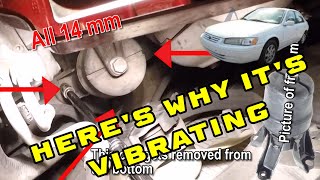
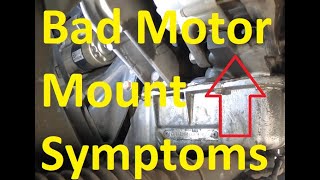
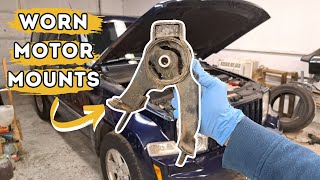
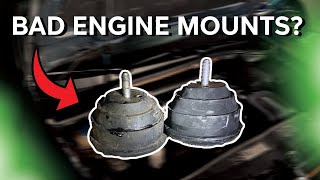
- Engine Movement: If you open the hood and have a friend rev the engine slightly while the car is in park with the brake on, you might see the engine physically rock or lurch more than it should. 🎬 Watch this video to see these symptoms in action.
A Note on Polyurethane Mounts
Some owners consider using polyurethane (poly) bushings or mounts for a 'performance' upgrade. While these are stiffer and can improve throttle response, they will transmit significantly more engine vibration into the cabin. For a daily driven car, this can make the ride uncomfortably harsh. Most owners will be happier with quality rubber replacement mounts.
Choosing the Right Aftermarket Engine Mount
When replacing engine mounts on an older vehicle like the 1990-1994 Celica, you have a choice between original Toyota (OEM) parts and aftermarket brands. OEM mounts are excellent quality but can be very expensive and sometimes hard to find. Aftermarket mounts offer a more affordable solution, but quality can vary significantly between brands.
Based on owner feedback and mechanic reviews, here's a general breakdown of the available aftermarket brands:
- Tier 1 (Good Quality): Brands like Pioneer are often considered a good balance of quality and price. They are frequently compared favorably to original parts in terms of fit and rubber quality.
- Tier 2 (Economy): Brands like Anchor, DEA, and Westar are widely available and very affordable. However, experiences with these brands are mixed. Some owners report they work fine for an aging vehicle, while others complain about poor fitment, hard rubber that increases vibration, and a short lifespan. These may be a budget-friendly option, but be prepared for potential trade-offs in quality and longevity.
Pro Tip: Replace in Sets
Your Celica has multiple engine mounts (e.g., front, rear, side). If one has failed, the others are likely not far behind. Replacing them all at once is the best approach to restore a smooth ride and prevent the new mount from being stressed by other worn mounts.
Estimated Replacement Costs
The cost to replace your engine mounts will depend on the parts you choose and whether you do the work yourself or hire a professional mechanic.
| Part / Service | Estimated Cost |
|---|---|
| New Aftermarket Mount (Single) | $24.44 - $89.46 |
| New OEM Mount (Single) | $140 - $320+ |
| Shop Labor | $150 - $300 |
Frequently Asked Questions
How many engine mounts does my 1990-1994 Celica have?
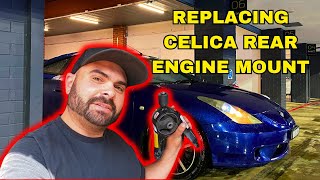
The 5th generation Celica typically has four main mounts: a front mount, a rear mount, a right-side (passenger) mount, and a left-side (driver/transmission) mount. The exact configuration can vary slightly based on engine and transmission type 🎬 Watch this guide for tackling the difficult rear engine mount. (manual or automatic).
Can I replace just the one broken mount?
You can, but it's not recommended. When one mount fails, it puts extra stress on the remaining mounts, causing them to wear out faster. For the best results and a lasting repair, it's wise to replace all the mounts at the same time.
Is replacing engine mounts a DIY job?
Yes, for someone with moderate mechanical skill and the right tools. The process involves supporting the engine with a jack and a block of wood to take the weight off the mounts, then unbolting the old mounts and installing the new ones. Some mounts can be difficult to access, particularly the rear one.
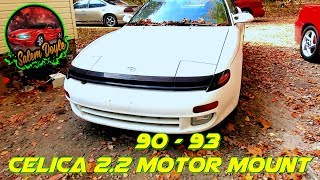
🎬 See a step-by-step walkthrough for replacing the front mount.Are there any recalls for the 1990-1994 Celica engine mounts?
A search of the National Highway Traffic Safety Administration (NHTSA) database did not find any specific recalls for engine mounts on the 1990-1994 Toyota Celica.
Helpful Videos
Technical Specifications
OEM Part Numbers: 12371-16180 12361-16180 12361-74140 12362-74240 12371-74410
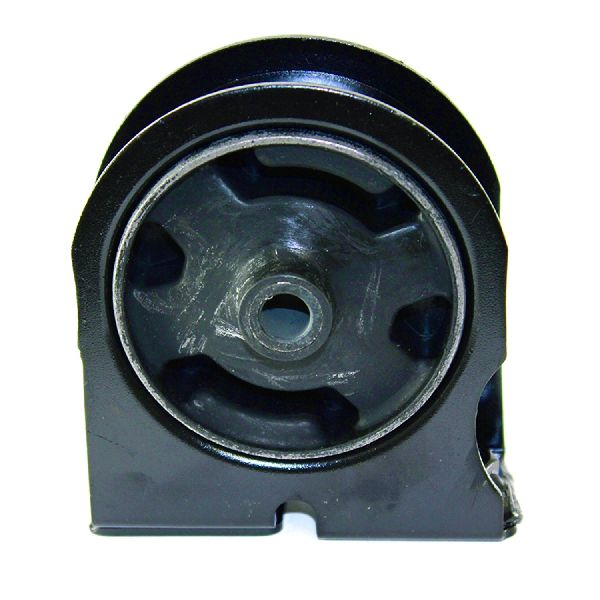
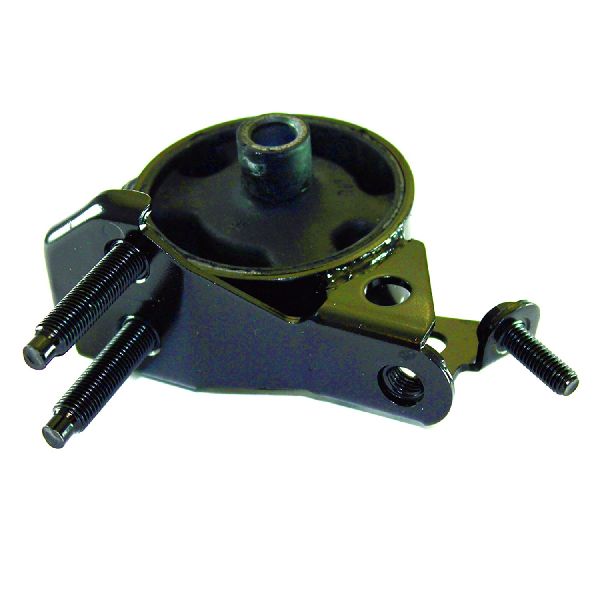
Mounts are typically made of steel and bonded rubber. Some original mounts may be hydraulic (fluid-filled) to provide better damping. Aftermarket replacements are typically solid rubber.
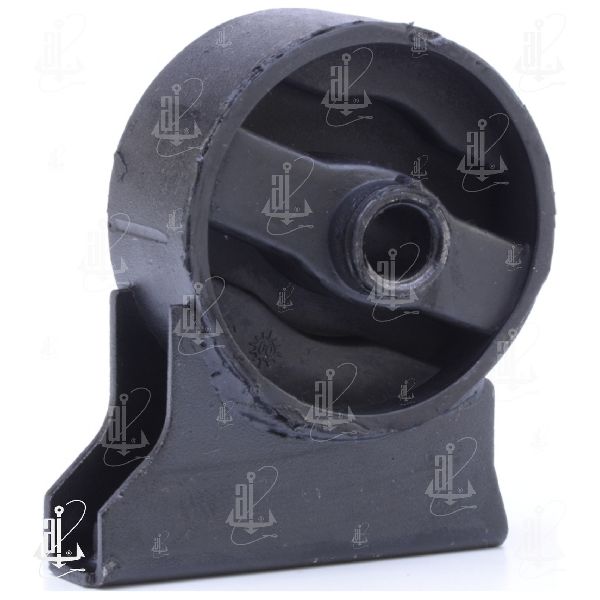
We Have This Part in Stock


The information in this article is provided for general reference and educational purposes only. Vehicle specifications, procedures, and part compatibility can vary by production date, trim level, and region. Always consult your vehicle's factory service manual and verify part numbers before purchasing or performing repairs. Safety-critical components such as airbags, seat belts, and braking systems should be installed by a qualified professional.
- Toyota Celica: