

A Guide to the Engine Oil Pressure Switch for the 1990-1994 Volkswagen Jetta
Don't let the dreaded oil pressure light and buzzer on your Mk2 Jetta cause panic—understand the cause and the fix.
- Your 1990-1994 Jetta has two different oil pressure switches (low and high pressure) that should be replaced together.
- An oil pressure warning light or buzzer is a critical alert; stop the vehicle immediately and check the oil level.
- For a reliable repair, choose high-quality aftermarket brands like Hella, Febi, Vemo, or CRP.
- The only way to confirm true oil pressure is with a mechanical gauge; a warning light can be a bad sensor or a real engine problem.
Understanding Your Jetta's Dual-Switch System
Your 1990-1994 Jetta has a more complex oil pressure warning system than many other cars. It uses two switches to provide a wider range of protection. One switch checks for very low pressure at idle, while the second, higher-pressure switch ensures there is enough oil pressure when the engine is working harder at higher RPMs. When the high-pressure switch detects a problem, it triggers both the oil light and a loud, continuous buzzer, often called the "buzzer of doom" by VW owners. This system is often misunderstood, but it's designed to give you an urgent warning before major engine damage occurs.
Symptoms of a Failing Oil Pressure Switch
A bad oil pressure switch is a common issue on these older Jettas. The symptoms are hard to ignore and should be addressed immediately.
- Flashing Oil Light and Loud Buzzer: This is the most common sign. It typically happens when the engine is warm and you rev it over 2,000-2,500 RPM.
- Flickering or Solid Oil Light at Idle: If the light comes on at low RPMs, it could point to the low-pressure switch or actual low oil pressure.
- Oil Leaks: The plastic body of the switch can crack over time, or the seal can fail, causing oil to leak from the sensor itself. You may see oily residue on or below the switch.
Stop Driving Immediately
An oil pressure warning is one of the most serious alerts your car can give you. It means the engine may not be getting enough lubrication. Pull over and turn off the engine as soon as it is safe to do so to prevent catastrophic engine failure. Always check your oil level first. If the level is normal, the problem could be the switch, wiring, or a failing oil pump.
Choosing the Right Aftermarket Part
When it comes to a critical sensor like this, brand quality matters. The price difference between a budget part and a quality one is often only a few dollars. Given the importance of the part, it's not worth the risk to save a little money.
- Top Tier (OEM Quality): Brands like Hella, Febi, Vemo, and CRP (Rein) are often original equipment manufacturers or suppliers for Volkswagen. These parts are made to the same standards as the original factory part and are highly recommended for reliability. Forum users have noted that some Febi parts are identical to VW genuine parts.
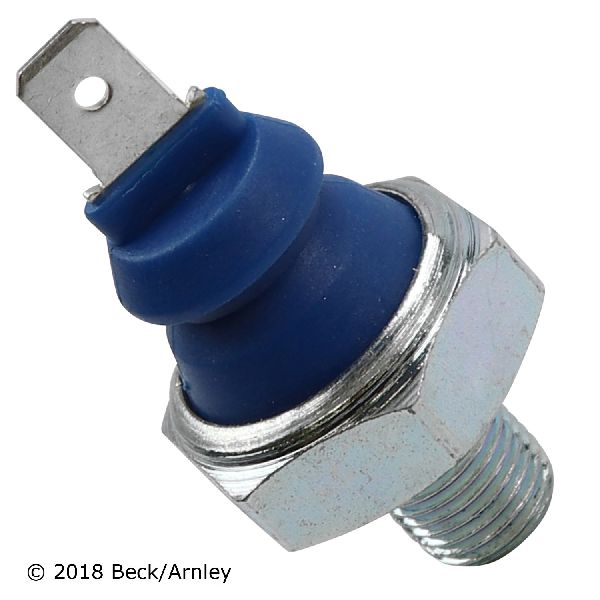
- Reliable Aftermarket: Brands like Beck Arnley and Standard Ignition (SMP) are well-known in the aftermarket for producing reliable parts that meet or exceed OEM specifications. They are a solid choice if an OEM-tier brand is not available.
- Budget Brands: While brands like Global Parts are available at a lower price, their long-term reliability can be questionable for such a critical sensor. It is generally advised to spend a few extra dollars for a part from a more reputable manufacturer.
Pro Tip: Replace in Pairs
Since your Jetta has two oil pressure switches and they are inexpensive, it is highly recommended to replace both at the same time. This saves you from having to do the job twice and helps eliminate all potential sensor-related faults in the warning system.
Cost of Replacing an Oil Pressure Switch (1990-1994 VW Jetta)
| Item | Estimated Cost |
|---|---|
| New Aftermarket Switch | $5.78 - $25.93 (per switch) |
| New OEM VW Switch | $25 - $50 (per switch) |
| Shop Labor | $50 - $100 |
| Total DIY Cost (2 Aftermarket Switches) | $12 - $52 |
| Total Shop Cost (2 Aftermarket Switches + Labor) | $62 - $152 |
Frequently Asked Questions (FAQ)
Why does my Jetta have two oil pressure switches?
Your Mk2 Jetta uses a "dynamic" system to monitor oil pressure at both low and high engine speeds. One switch is for low RPM (idle) and the other is for high RPM (over 2,000 RPM). This provides more comprehensive protection for the engine than a single switch.
Is it hard to replace the oil pressure switches myself?
No, this is a very DIY-friendly job. The switches are located on the oil filter housing or the cylinder head. You simply unplug the wire, use a deep socket (often 24mm) to unscrew the old switch, and install the new one. The entire process for both switches should take less than an hour.
The warning light is on, but my oil level is full. What should I do?
If your oil level is correct, the issue could be a faulty switch, bad wiring, a problem with the instrument cluster, or a failing oil pump. The safest course of action is to have the engine's oil pressure tested with a mechanical gauge. This will confirm whether you have a real pressure problem or just a faulty sensor.
What is the "buzzer of doom"?
This is the nickname VW owners have given to the loud, insistent warning buzzer that goes off with the oil pressure light. It is triggered by the high-pressure switch when it detects low oil pressure above 2,000 RPM. It's designed to be impossible to ignore.
Technical Specifications
OEM Part Numbers: 056919081E (or 056919081) 028919081H (supersedes 056919081C)
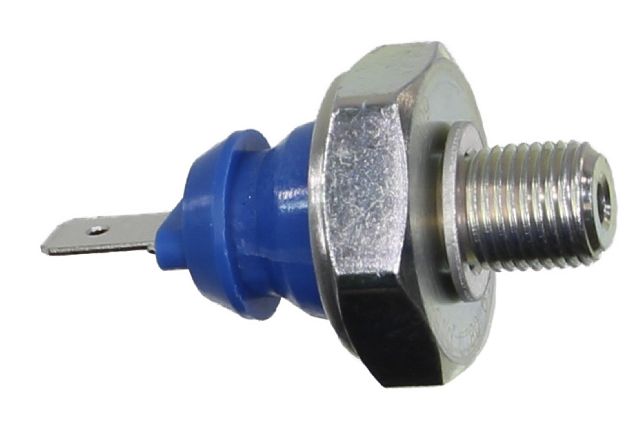
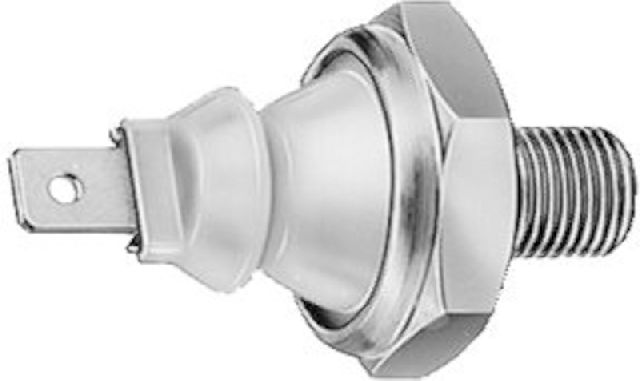
System uses two switches with different pressure ratings, typically a 0.25-0.3 bar switch (often blue or brown) for low RPM and a 1.8 bar switch (often white or black) for high RPM. Switches are located on the oil filter housing or cylinder head.
We Have This Part in Stock


The information in this article is provided for general reference and educational purposes only. Vehicle specifications, procedures, and part compatibility can vary by production date, trim level, and region. Always consult your vehicle's factory service manual and verify part numbers before purchasing or performing repairs. Safety-critical components such as airbags, seat belts, and braking systems should be installed by a qualified professional.
- Volkswagen Jetta:
- 🛍️ Shop This Part
- Understanding Your Jetta's Dual-Switch System
- Symptoms of a Failing Oil Pressure Switch
- Stop Driving Immediately
- Choosing the Right Aftermarket Part
- Pro Tip: Replace in Pairs
- Cost of Replacing an Oil Pressure Switch (1990-1994 VW Jetta)
- Frequently Asked Questions (FAQ)
- 🎟️ Get 5% Off