

A Comprehensive Guide to the 1990-1995 Chevrolet G20 A/C Compressor
Everything a G20 owner needs to know before replacing a failing air conditioning compressor.
- You must identify if your system uses the original R-12 refrigerant or has been converted to R-134a before buying parts.
- Replacing the accumulator/drier and orifice tube, and flushing the system, is required for a successful repair and to maintain warranty.
- Due to the need for special equipment for handling refrigerant, this repair should be performed by a professional shop.
- A new compressor from a reputable brand like ACDelco is a more reliable choice than a remanufactured unit.
Is Your G20's A/C Blowing Warm? Signs of a Bad Compressor

When the A/C in your 1990-1995 G20 stops working, the compressor is a common suspect. Because it's the main moving part of the system, it's subject to wear and tear. Look for these clear signs of failure:
🎬 Watch: How to diagnose your car's A/C with no experience.- Warm Air: The most obvious symptom is air from the vents that isn't cold, or starts cool and gets warm. This means the compressor isn't building enough pressure.
- Strange Noises: Listen for grinding, rattling, or squealing from the engine bay when you turn the A/C on. These sounds often point to failing internal bearings or other components inside the compressor.
- Clutch Issues: The clutch on the front of the compressor pulley should engage with a "click" when you turn on the A/C. If it doesn't spin, makes a loud screech, or cycles on and off too frequently, the compressor or its clutch may be bad.
- Leaking Fluid: The compressor contains oil mixed with refrigerant. If you see an oily residue on the compressor body, it's a sign of a leak in the seals.
- Seized Compressor: In a worst-case scenario, the compressor can lock up completely. This will create a loud squeal and a burning rubber smell as the serpentine belt drags across the stuck pulley. This can cause the belt to snap, disabling other critical engine accessories.
R-12 vs. R-134a Refrigerant: A Critical Detail
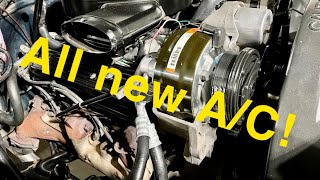
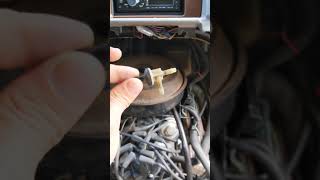
Your 1990-1994 G20 originally used R-12 (Freon) refrigerant, while 1995 models came with R-134a. R-12 is no longer produced and is very expensive. Many older vans have been converted to use the newer R-134a. Before buying parts, you MUST know which refrigerant your system uses. A converted system should have a sticker under the hood and different service ports. 🎬 See this guide on Chevy truck A/C replacement and R134a retrofitting. The type of oil used with the compressor depends on the refrigerant, and using the wrong oil will destroy a new compressor.
Choosing the Right Aftermarket Compressor

When shopping for a new aftermarket compressor for your G20, you'll find several brands. New units are almost always a better choice than remanufactured ones for reliability. The success of the repair depends heavily on proper installation, including flushing the system and replacing related parts.
- ACDelco: As GM's in-house parts brand, ACDelco is often considered the OEM-equivalent and a top-quality choice for fit and reliability.
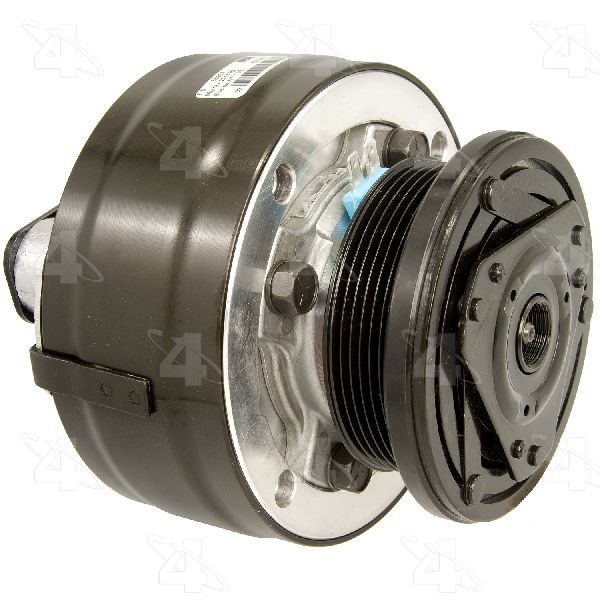
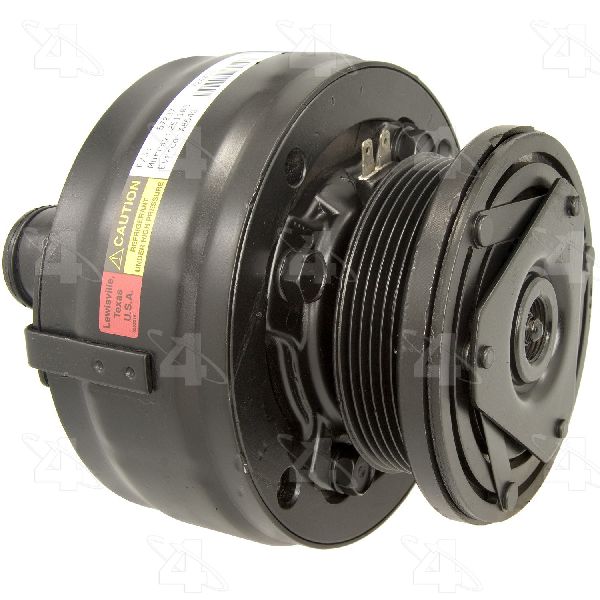
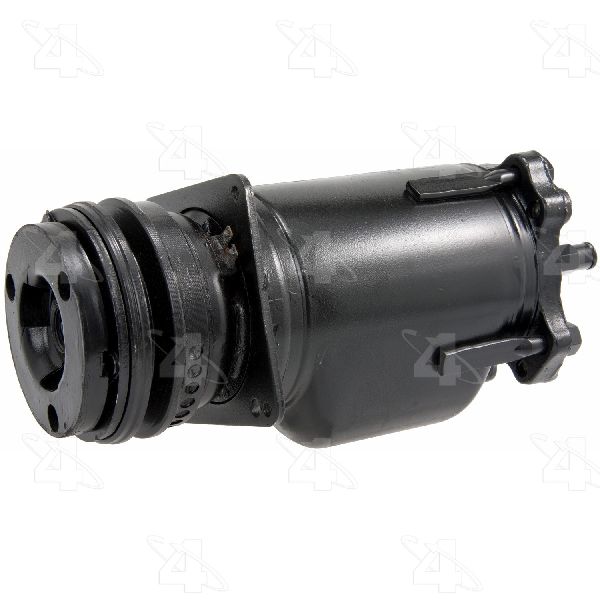
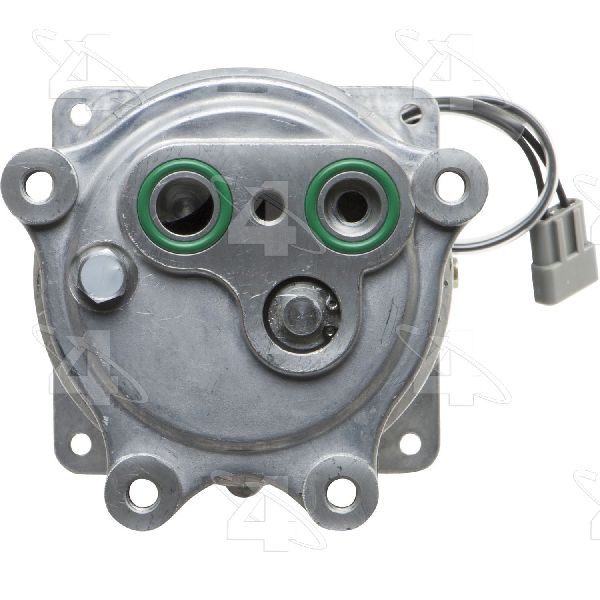
- Four Seasons: This is a very common aftermarket brand. Forum discussions show mixed experiences; some users have had them last for years, while others report early failures or fitment problems. They are generally seen as a mid-tier option.
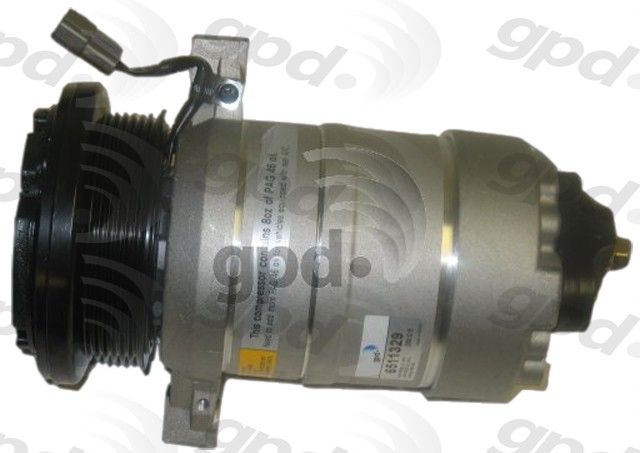
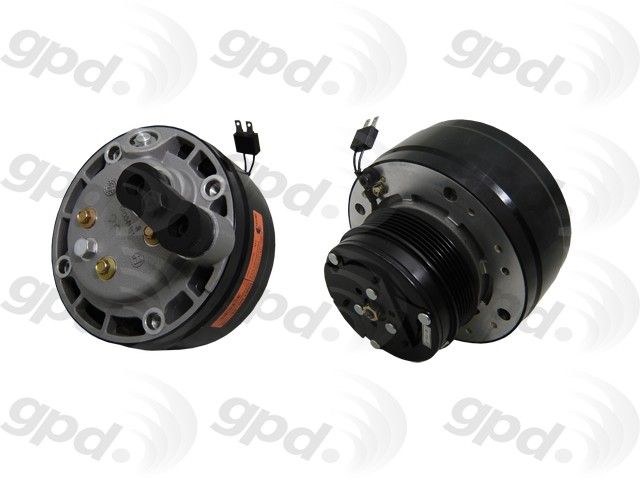
- Global Parts Distributors (GPD): GPD is another available aftermarket brand, often at a lower price point. Some users report success with these units, though they are less frequently discussed than ACDelco or Four Seasons.
Warranty Depends on a Complete Job
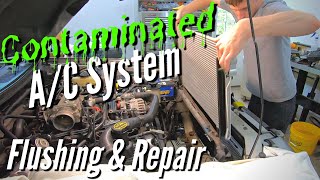
Nearly all aftermarket compressor warranties require you to replace the A/C accumulator/drier and the orifice tube at the same time as the compressor. You must also flush the entire system to remove metal shavings from the old, failed compressor. 🎬 Watch: How to properly flush your A/C system. Skipping these steps will cause your new compressor to fail quickly and will void its warranty.
Typical Replacement Costs for a G20 A/C Compressor

Costs can vary based on your location and the brand you choose. A/C work requires special equipment, so professional installation is highly recommended.
| Part/Service | Estimated Cost |
|---|---|
| New Aftermarket Compressor | $167 - $470 |
| A/C Service Kit (Accumulator, Orifice Tube, Oil) | $40 - $100 |
| Shop Labor & Refrigerant Charge | $250 - $500 |
| Total Estimated Cost | $457 - $1070 |
Frequently Asked Questions

Do I have to replace other parts with the compressor?
Yes. At a minimum, you must replace the accumulator (also called a drier) and the orifice tube. These parts trap moisture and debris. A failed compressor contaminates the system, and if you don't replace these components and flush the lines, the debris will destroy your new compressor.
Can I replace the A/C compressor myself?
This is not recommended for beginners. The job requires specialized tools, including a refrigerant recovery machine, a vacuum pump, and manifold gauges. It is illegal to release refrigerant into the atmosphere. A professional shop will have the right equipment to do the job correctly and safely.
What is "compressor slugging"?
Slugging happens when liquid refrigerant enters the compressor, which is designed to compress only gas. This can happen if the system is overcharged with refrigerant and can cause immediate, catastrophic damage to the compressor's internal parts. This is a particular risk on conversion vans with rear A/C, as the total system capacity can be hard to determine.
What is the difference between a new and a remanufactured compressor?
A new compressor is made with all-new components. A remanufactured (or "reman") compressor has been disassembled, cleaned, and rebuilt with a mix of new and used parts. While cheaper, remanufactured compressors have a reputation for being less reliable than new units.
Helpful Videos

Technical Specifications
OEM Part Numbers: 1136470 1136502 1520109 1520187 1520244 1520428
Compressor Type: Varies by engine and year (Commonly GM R4 or HT6). Refrigerant Type: R-12 (1990-1994), R-134a (1995). Clutch: Included with new compressors. Oil Type: Mineral Oil for R-12, PAG Oil for R-134a.
We Have This Part in Stock

The information in this article is provided for general reference and educational purposes only. Vehicle specifications, procedures, and part compatibility can vary by production date, trim level, and region. Always consult your vehicle's factory service manual and verify part numbers before purchasing or performing repairs. Safety-critical components such as airbags, seat belts, and braking systems should be installed by a qualified professional.
- Chevrolet G20:
- 🎬 Helpful Videos
- 🛍️ Shop This Part
- Is Your G20's A/C Blowing Warm? Signs of a Bad Compressor
- R-12 vs. R-134a Refrigerant: A Critical Detail
- Choosing the Right Aftermarket Compressor
- Warranty Depends on a Complete Job
- Typical Replacement Costs for a G20 A/C Compressor
- Frequently Asked Questions
- 🎟️ Get 5% Off