

Throttle Position Sensor Guide for the 1990-1995 Chevrolet P30
Address poor engine performance and stalling on your P30 by learning how to choose the right aftermarket Throttle Position Sensor.
- A faulty TPS causes hesitation, stalling, and rough idle; symptoms that can be dangerous in a heavy P30.
- Replacement is a simple, fast, and affordable DIY job requiring only basic tools like a Torx driver.
- For best results, choose a reputable aftermarket brand like Delphi, NGK, or Standard Ignition for reliability.
- There are no active recalls or specific TSBs for the TPS on the 1990-1995 P30, making diagnosis straightforward.
Is a Faulty Throttle Position Sensor Causing Your P30 Problems?
A failing Throttle Position Sensor (TPS) on a 1990-1995 Chevrolet P30 can cause a range of frustrating engine issues. Because the TPS is a primary input for fuel control, a bad sensor can send incorrect information to the engine's computer. This can lead to symptoms that are often misdiagnosed as other problems. Recognizing the signs early can save you from unnecessary repairs and get your vehicle running smoothly again.
Common Symptoms of TPS Failure:
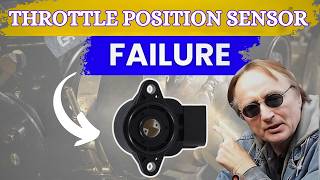
🎬 Watch this breakdown of common symptoms and replacement costs.- Hesitation or Stumbling on Acceleration: The engine may bog down or hesitate when you press the gas pedal.
- Rough or Unstable Idle: Your engine might idle too high, too low, or surge up and down.
- Engine Stalling: The engine may stall unexpectedly, especially when coming to a stop or at idle.
- Poor Fuel Economy: A bad TPS can cause the engine to run rich, leading to a noticeable drop in gas mileage.
- Check Engine Light: A failing TPS will often trigger the Check Engine Light. On these OBD-I vehicles, this may correspond to codes like 21 or 22.
- Sudden Surges in Power: The vehicle might unexpectedly speed up as the sensor sends intermittent signals.
Safety First
While you might be able to drive with a faulty TPS, it's not recommended. Symptoms like stalling and sudden power surges can be dangerous, especially in a heavy vehicle like a P30 chassis. It's best to address the issue as soon as possible.
Choosing the Right Aftermarket TPS Brand
For an older, workhorse vehicle like the P30, you don't necessarily need to hunt down an expensive OEM part. Many aftermarket brands offer reliable replacements that provide excellent value. Here’s a breakdown of available brands to help you choose.
Tier 1: OEM Quality or Equivalent
These brands are often original equipment manufacturers for GM or are known for producing parts that meet or exceed OE standards. They are a top choice for reliability and peace of mind.
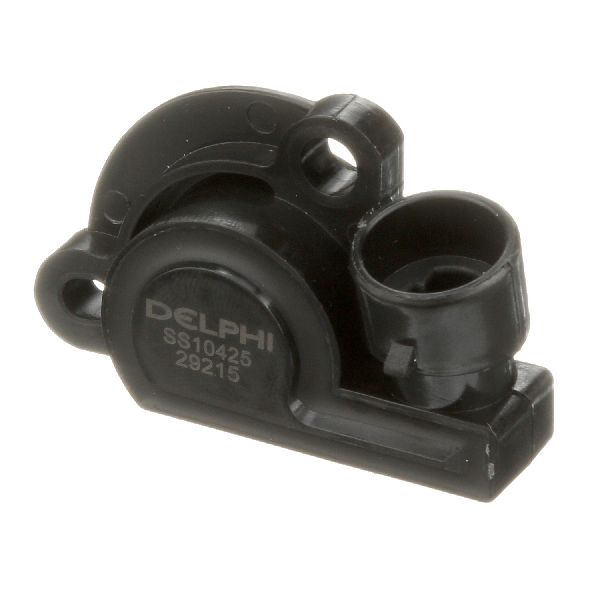
- Delphi: As a major OE supplier for General Motors, Delphi is often considered a top-tier choice for electronic components. Choosing Delphi is as close as you can get to the original factory part.
- NGK/NTK: Known for their world-class spark plugs, NGK's sensor division (NTK) also produces high-quality electronic parts that are well-regarded in the industry.
Tier 2: Professional-Grade Aftermarket
These brands are trusted by many professional mechanics and offer a good balance of quality, performance, and price.
- Standard Motor Products (Standard Ignition): A long-standing and reputable aftermarket manufacturer, SMP offers parts that are generally reliable. They are a solid choice for most repairs.
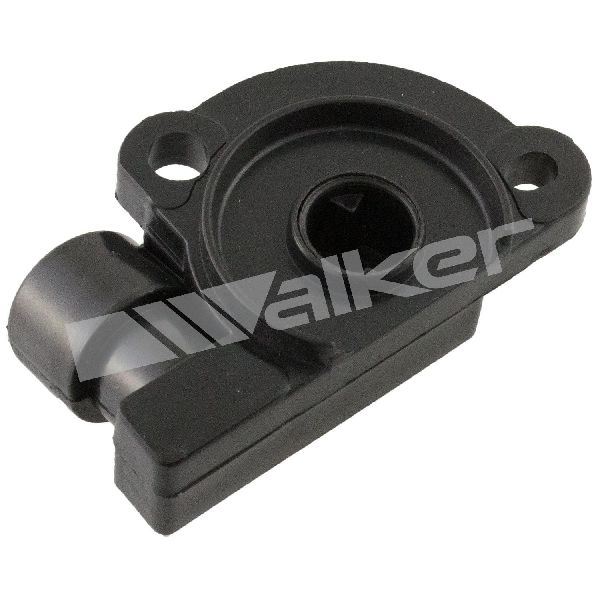
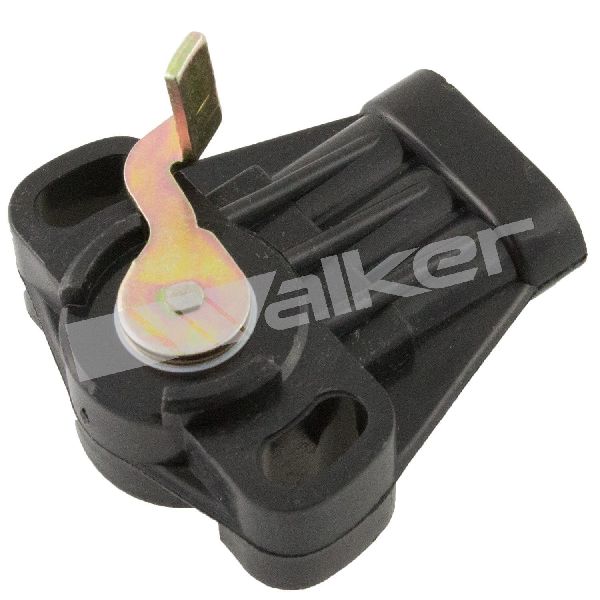
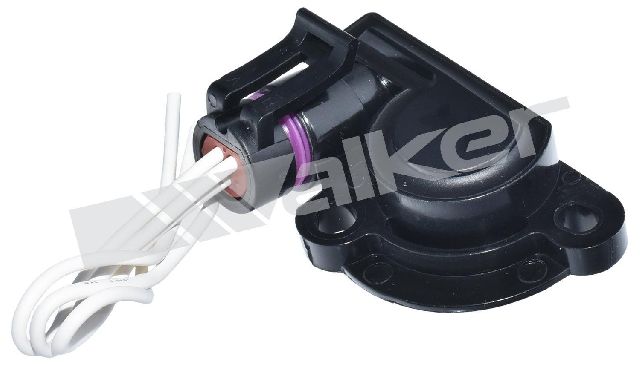
- Walker Products: Walker is another established name in fuel and engine management parts, providing dependable components.
- Beck Arnley: This brand sources parts from various manufacturers, often seeking out the OE supplier for a specific vehicle. Their quality is generally considered very good.
Tier 3: Budget-Friendly Options
These brands focus on affordability. While they can be a cost-effective solution, quality can sometimes be inconsistent compared to higher-tier brands.
- Dorman: Dorman makes a vast array of replacement parts and is known for creating solutions to common factory part failures. However, their sensor quality can be hit-or-miss.
- Motorad, True Tech, Replacement: These brands offer some of the lowest-priced options. They can be suitable for a budget repair, but may not offer the same longevity as premium brands.
Pro Tip: Check for Physical Match
Before installing, always compare the new sensor to the old one. Ensure the mounting holes, electrical connector, and rotating mechanism are identical to prevent installation issues.
Cost of Replacing a 1990-1995 Chevrolet P30 TPS
Replacing the TPS is one of the more affordable and straightforward repairs you can perform. The job is simple enough for most DIY mechanics.
| Part/Service | Estimated Cost |
|---|---|
| New Aftermarket Throttle Position Sensor | $44 - $377 |
| Shop Labor | $50 - $100 |
| Total (DIY) | $44 - $377 |
| Total (Installed at Shop) | $94 - $477 |
Frequently Asked Questions
Can I replace the TPS on my P30 myself?
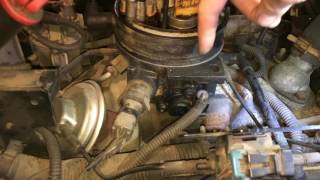
Yes, this is a very DIY-friendly job. The TPS is located on the side of the throttle body and is typically held on by two Torx screws. 🎬 See a step-by-step TPS replacement on a similar Chevy chassis. The process involves disconnecting the battery, unplugging the sensor's electrical connector, removing the two screws, and swapping the old sensor for the new one. The entire job usually takes less than 30 minutes.
Do I need to adjust or calibrate the new TPS?
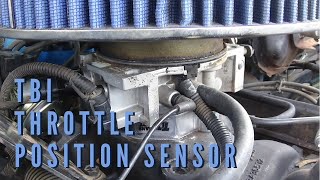
For the TBI systems on these 1990-1995 P30s, the TPS generally does not require a complex computer-based recalibration. The sensor's mounting holes are sometimes slightly slotted to allow for minor adjustment. You can use a multimeter to check that the voltage at idle is within the correct specification (typically around 0.5 volts) before tightening 🎬 Learn how to test and adjust your TBI sensor voltage. the screws.
Are there any recalls for the P30 throttle position sensor?
A search of the National Highway Traffic Safety Administration (NHTSA) database did not show any specific recalls for the throttle position sensor on the 1990-1995 Chevrolet P30. While GM has issued special coverage adjustments for TPS issues on other models, they do not apply to this vehicle and year range.
What happens if I ignore a bad TPS?
Ignoring a bad TPS can lead to worsening drivability issues, including poor fuel economy, stalling, and unpredictable engine behavior. In some cases, it can put extra strain on other components, like the transmission, which relies on TPS data for proper shifting. Given the low cost and ease of replacement, it's best to fix it promptly.
Helpful Videos

Technical Specifications
OEM Part Numbers: 17111471 17111162
This is a three-pin potentiometer-type sensor that mounts to the side of the throttle body assembly. It is typically secured with two Torx screws.
We Have This Part in Stock


The information in this article is provided for general reference and educational purposes only. Vehicle specifications, procedures, and part compatibility can vary by production date, trim level, and region. Always consult your vehicle's factory service manual and verify part numbers before purchasing or performing repairs. Safety-critical components such as airbags, seat belts, and braking systems should be installed by a qualified professional.
- Chevrolet P30:
- 🎬 Helpful Videos
- 🛍️ Shop This Part
- Is a Faulty Throttle Position Sensor Causing Your P30 Problems?
- Common Symptoms of TPS Failure:
- Safety First
- Choosing the Right Aftermarket TPS Brand
- Tier 1: OEM Quality or Equivalent
- Tier 2: Professional-Grade Aftermarket
- Tier 3: Budget-Friendly Options
- Pro Tip: Check for Physical Match
- Cost of Replacing a 1990-1995 Chevrolet P30 TPS
- Frequently Asked Questions
- 🎟️ Get 5% Off