

Dodge Dakota (1990-1995) Crankshaft Position Sensor Guide
Everything you need to know about replacing the crank sensor on your first-generation Dodge Dakota.
- A failing crank sensor is a common issue on 1st Gen Dakotas, causing no-start, stalling, and rough running.
- The sensor is located in a tight spot on the passenger side bell housing, making replacement tricky but possible for a DIYer.
- These Dodge trucks are known to be sensitive to sensor quality; using a high-quality aftermarket brand (like Delphi, NGK/NTK) or an OEM part is strongly recommended to avoid issues.
- Due to the difficult access, it's better to install a quality part once rather than a cheap part twice.
Understanding Crankshaft Position Sensor Failure in Your Dakota


The crankshaft position sensor on the 1990-1995 Dodge Dakota is a known wear item. Its location at the back of the engine, near the transmission bell housing, exposes it to extreme heat and potential oil leaks, which can cause it to fail over time. When this sensor starts to go bad, it can leave you stranded. The failure can be complete, where the truck won't start, or it can be intermittent, causing stalling and other issues that come and go.
Symptoms of a Failing Crank Sensor
If your Dakota's crank sensor is on its way out, you'll notice some clear warning signs. Don't ignore them, as a complete failure can happen without warning.
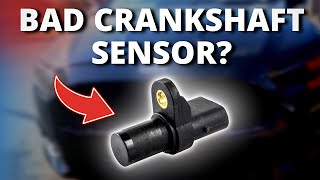
🎬 Watch: A visual guide to common bad crank sensor symptoms- No-Start Condition: The most common and serious symptom. The engine will crank over but will not fire up because the computer isn't getting the signal it needs to create spark and inject fuel.
- Intermittent Stalling: The engine may suddenly shut off while you're driving, often after it has warmed up. It might start again after cooling down for a bit.
- Rough Idling and Misfires: The truck may run poorly, shake at idle, or you might feel the engine misfiring because the timing is off.
- Poor Acceleration: You might notice the truck feels sluggish or lacks power when you press the gas pedal.
- Check Engine Light: A failing crank sensor will often trigger the Check Engine Light. A common trouble code associated with this is P0335, though other codes may appear.
OEM vs. Aftermarket: A Word of Caution
Many Dakota and Dodge truck owners report that these vehicles are particularly sensitive to the quality of the crankshaft position sensor. While aftermarket parts offer significant savings, some lower-cost sensors may not work correctly out of the box or may fail prematurely. Forum discussions frequently recommend using an OEM Mopar sensor for best results. However, if you choose an aftermarket part, it's wise to stick with well-regarded brands known for their electronic components.
Choosing the Right Aftermarket Sensor

If an OEM sensor isn't an option, you can still find reliable aftermarket parts. They generally fall into different quality tiers. For a critical part like this, investing in a higher-quality aftermarket brand is recommended.
- Premium Aftermarket (Recommended): Brands like Delphi, NGK/NTK, and Standard Ignition (SMP) are often considered top-tier. They have a strong reputation for producing reliable electronic sensors that meet or exceed OEM specifications. NTK is noted by some as being an OEM manufacturer for Mopar sensors.
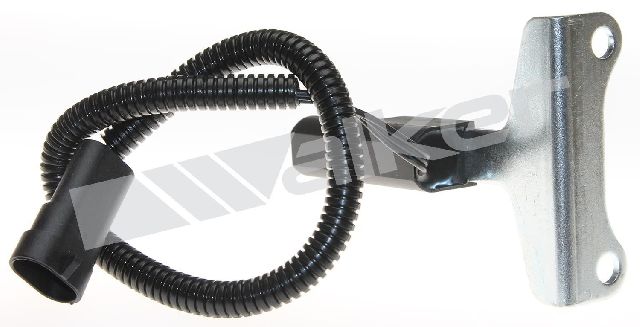
- Standard Aftermarket: Brands like Dorman, Walker Products, and Holstein offer a balance of price and quality. Dorman is a very common choice, but forum users have mixed opinions on their sensor reliability for these specific trucks.
- Economy Brands: Brands like Crown Automotive, Global Parts, and True Tech are typically the most affordable. While they can get your truck back on the road, they are best suited for temporary fixes or if budget is the absolute primary concern. Given the labor involved and the part's importance, a higher-tier part is a safer bet.
Pro Tip: Replacement Strategy
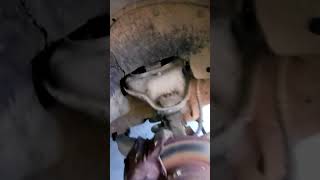
The crank sensor is located on the passenger side of the engine, at the top of the transmission bell housing, tucked behind the cylinder head. It's in a tight spot. Mechanics often access it by removing the front passenger wheel and the inner fender liner to get a clear shot. 🎬 Watch: How to access the sensor through the wheel well Because of the difficult access, it's a good idea to replace the sensor with a high-quality part to avoid doing the job twice. Some owners also replace the camshaft position sensor (located in the distributor) at the same time, as it's a similar age and can cause similar issues.
Cost of Replacing a Crankshaft Position Sensor (1990-1995 Dodge Dakota)

| Item | Estimated Cost |
|---|---|
| New Aftermarket Part | $35 - $96 |
| Shop Labor | $100 - $200 |
| Total Estimated Cost (Aftermarket) | $135 - $296 |
Note: Costs are estimates and can vary based on your location, the specific brand of part chosen, and the repair shop's labor rates.
Frequently Asked Questions
Where is the crankshaft position sensor located on a 1990-1995 Dakota?
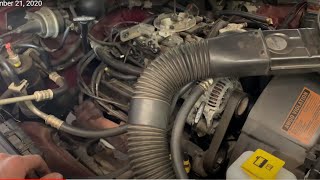
The crankshaft position sensor is located on the upper passenger side of the transmission bell housing, near the back of the engine block. It is held in by two bolts and can be difficult to see and reach from the top of the engine bay.
Can I replace the crank sensor myself?
Yes, this is a DIY-feasible job for someone with moderate mechanical skill. The main challenge is accessing the sensor. You will likely need to jack up the truck, remove the passenger side front wheel, and remove the plastic inner fender liner to get good access. You'll need basic tools like a ratchet, extensions, and possibly an Allen key depending on the bolts used.
🎬 See this walkthrough for replacing the sensor on a '95Are there any recalls for the 1990-1995 Dakota crank sensor?
No specific recalls were found for the crankshaft position sensor itself on the 1990-1995 Dodge Dakota. Recalls for this component on other Dodge vehicles are for much newer model years and different engines.
What's the difference between a crank sensor and a cam sensor?
The crank sensor tracks the position of the main crankshaft, while the camshaft position sensor tracks the camshaft. Both are vital for engine timing. On your Dakota, the crank sensor is on the bell housing, and the cam sensor is located inside the distributor. A failure in either can cause similar symptoms like stalling or a no-start condition.
Helpful Videos
Technical Specifications
OEM Part Numbers: 56027870 56027870AB
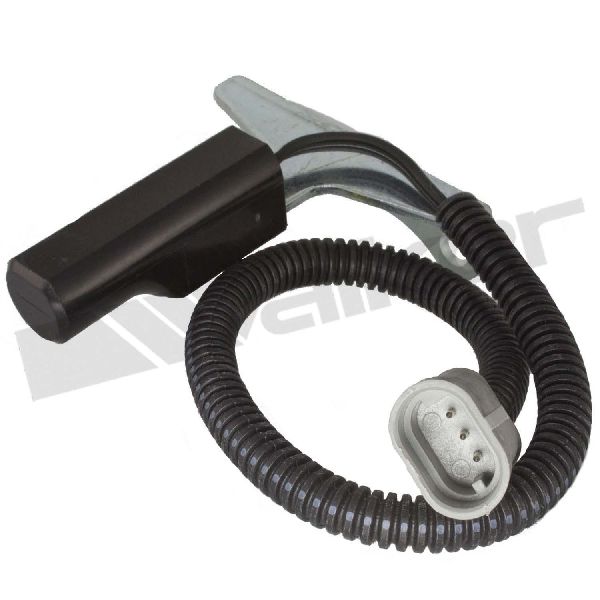
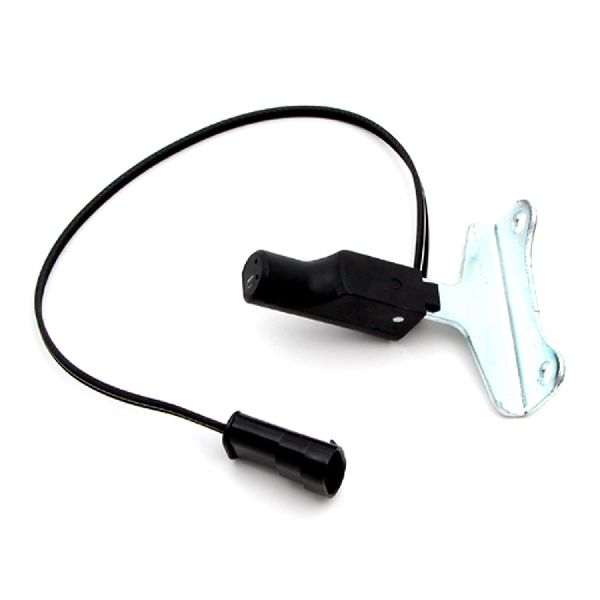
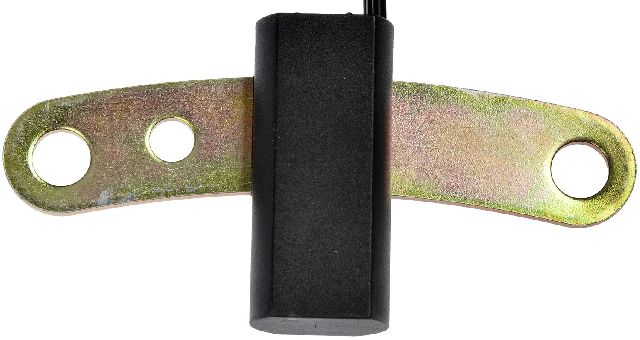
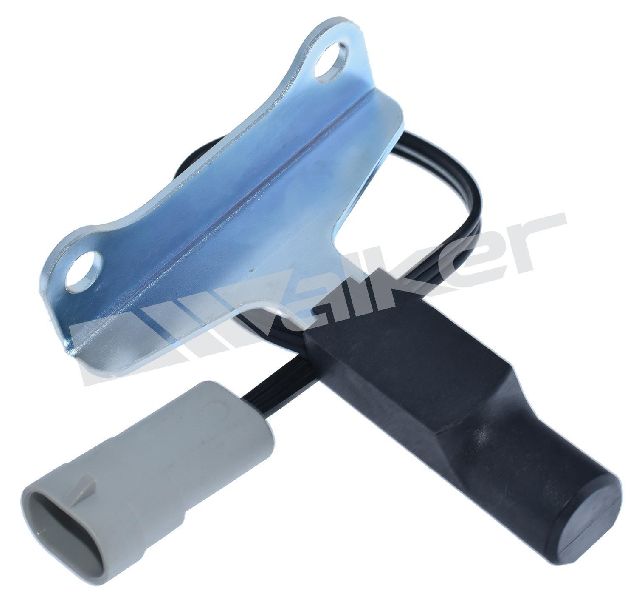
This is a Hall Effect sensor that reads the position of the crankshaft via a reluctor wheel. It is located on the transmission bell housing and typically uses a 2-bolt mounting system. The electrical connector is a 3-pin design.
We Have This Part in Stock


The information in this article is provided for general reference and educational purposes only. Vehicle specifications, procedures, and part compatibility can vary by production date, trim level, and region. Always consult your vehicle's factory service manual and verify part numbers before purchasing or performing repairs. Safety-critical components such as airbags, seat belts, and braking systems should be installed by a qualified professional.
- Dodge Dakota:
- 🎬 Helpful Videos
- 🛍️ Shop This Part
- Understanding Crankshaft Position Sensor Failure in Your Dakota
- Symptoms of a Failing Crank Sensor
- OEM vs. Aftermarket: A Word of Caution
- Choosing the Right Aftermarket Sensor
- Pro Tip: Replacement Strategy
- Cost of Replacing a Crankshaft Position Sensor (1990-1995 Dodge Dakota)
- Frequently Asked Questions
- 🎟️ Get 5% Off